Methodology
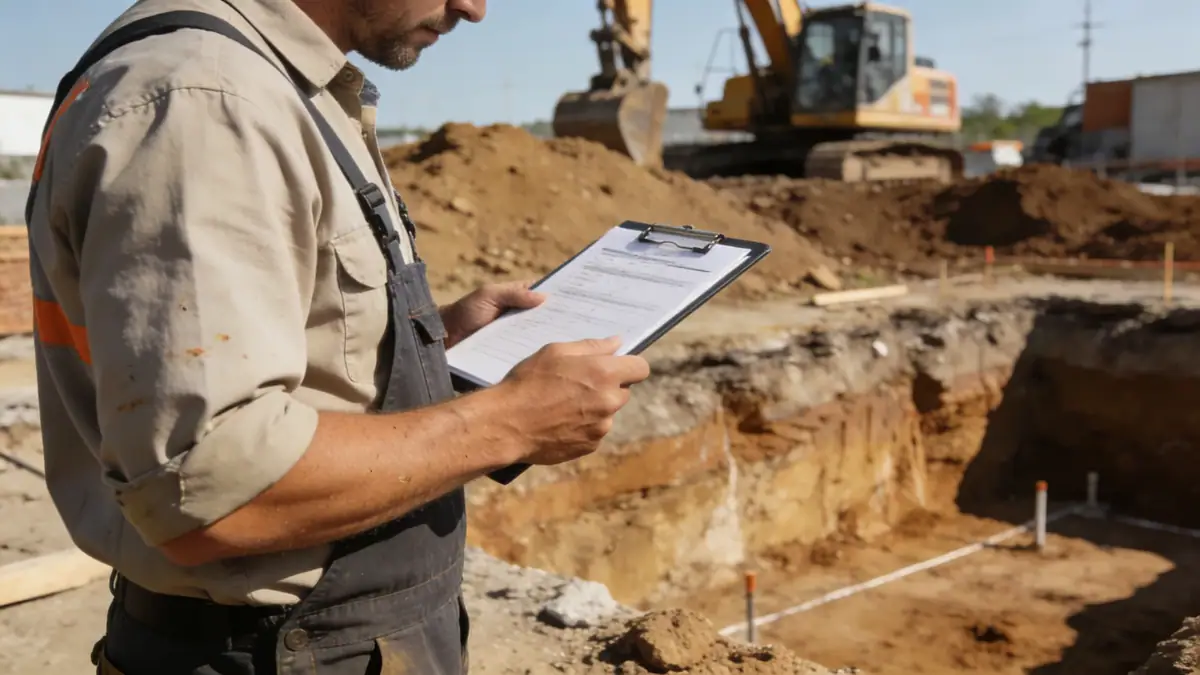
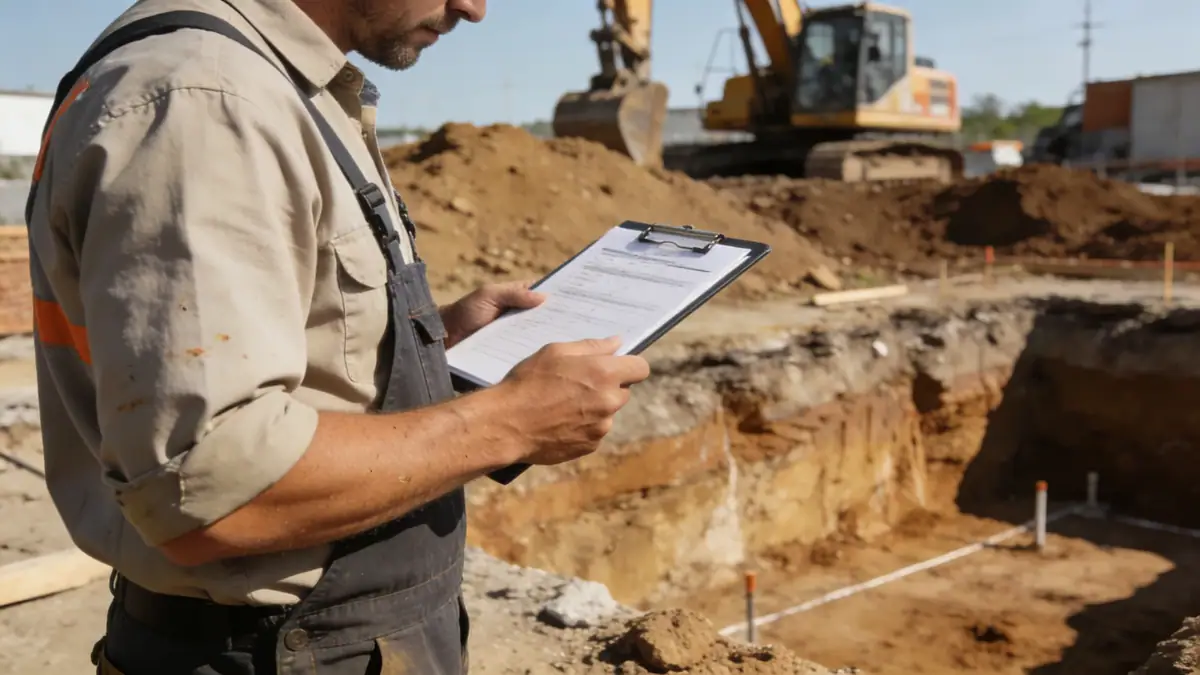
Our geotechnical engineering approach in Irving integrates standard penetration testing (SPT) and advanced laboratory analyses. We perform SPT boring at intervals specified by ASTM D1586, typically every 1.5 m, to obtain N60 values and undisturbed samples. Soil classification follows the Unified Soil Classification System (USCS), supplemented by Atterberg limits and natural moisture content. For expansive soils, we conduct swell-consolidation tests to predict heave potential. This methodology ensures accurate characterization of subsurface conditions, enabling our team to design foundations that mitigate risks associated with the region's variable geology.
Reference Technical Parameters
| Parameter | Reference Value |
|---|---|
| Predominant soil type | Eagle Ford Shale, Austin Chalk, alluvial clays |
| Maximum seismic acceleration (PGA) | 0.10g (ASCE 7-16, Site Class D) |
| Typical groundwater level | 3–10 m below grade (variable) |
| Bedrock depth | 2–15 m (shallow in west Irving) |
| Typical N60 range | 5–30 blows/0.3 m (clay/shale) |
Local Considerations — Irving
Irving's geology features the Eagle Ford Shale, a clay-rich formation prone to swelling when wetted, and the Austin Chalk, which provides competent but fractured bedrock. Groundwater levels fluctuate with the Trinity River, requiring dewatering considerations for deep excavations. Seismic design follows ASCE 7-16 with a PGA of 0.10g. Our team provides detailed recommendations for slab-on-grade and deep foundations, referencing our soil mechanics laboratory for expansive soil testing. For projects near the Dallas/Fort Worth International Airport, we also address dynamic loading and soil compaction requirements.
Request a Quote
Our team reviews your project and issues an initial report at no cost.
Or write us directly at [email protected]
Services in Irving
Applicable Standards
- ASTM D1586 (Standard Penetration Test)
- ASCE 7-16 (Minimum Design Loads for Buildings)
- International Building Code (IBC 2021)
- City of Irving Geotechnical Reporting Guidelines
Frequently Asked Questions
What are the dominant soil types in Irving?
Irving is underlain by the Eagle Ford Shale and Austin Chalk formations, with alluvial deposits along the Trinity River. Soils are primarily high-plasticity clays and clay shales, which exhibit moderate to high shrink-swell potential.
Is a geotechnical study required for residential construction in Irving?
The City of Irving requires geotechnical investigations for most new structures, including residential, per the International Building Code. Our studies assess bearing capacity, settlement, and expansive soil risks to ensure code compliance.
How does seismic activity affect foundation design in Irving?
Irving is in Seismic Design Category B per ASCE 7-16, with a PGA of 0.10g. While moderate, our designs incorporate lateral load resistance and soil liquefaction potential, especially near the Trinity River.