Methodology
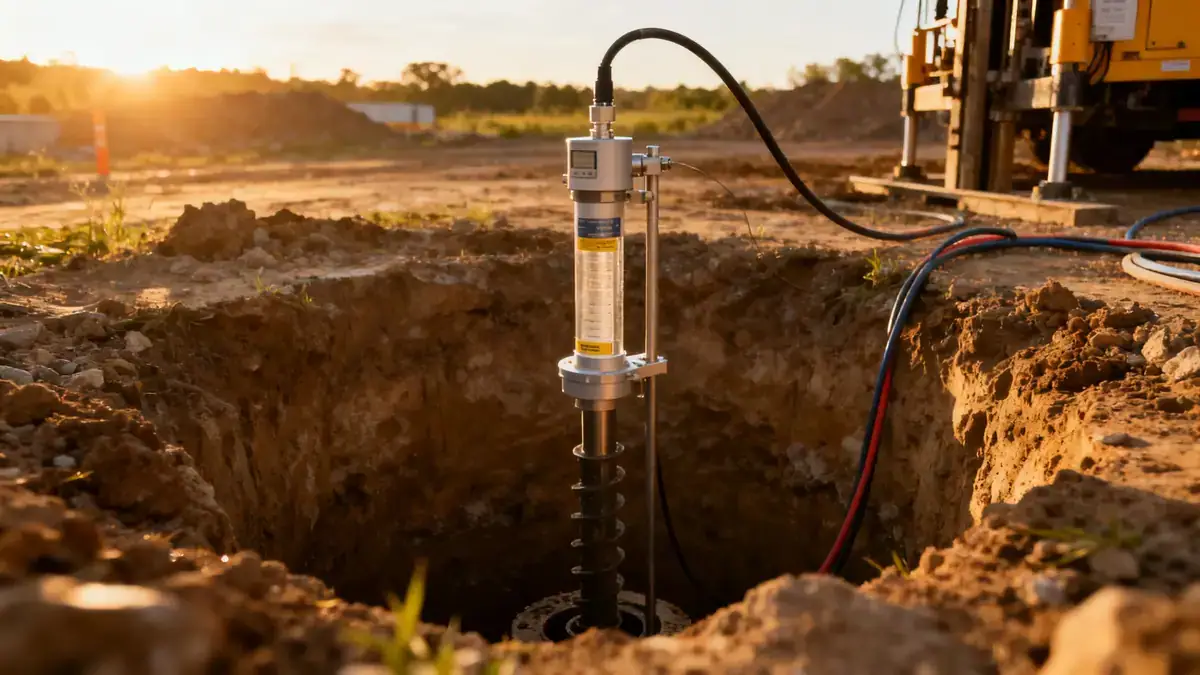
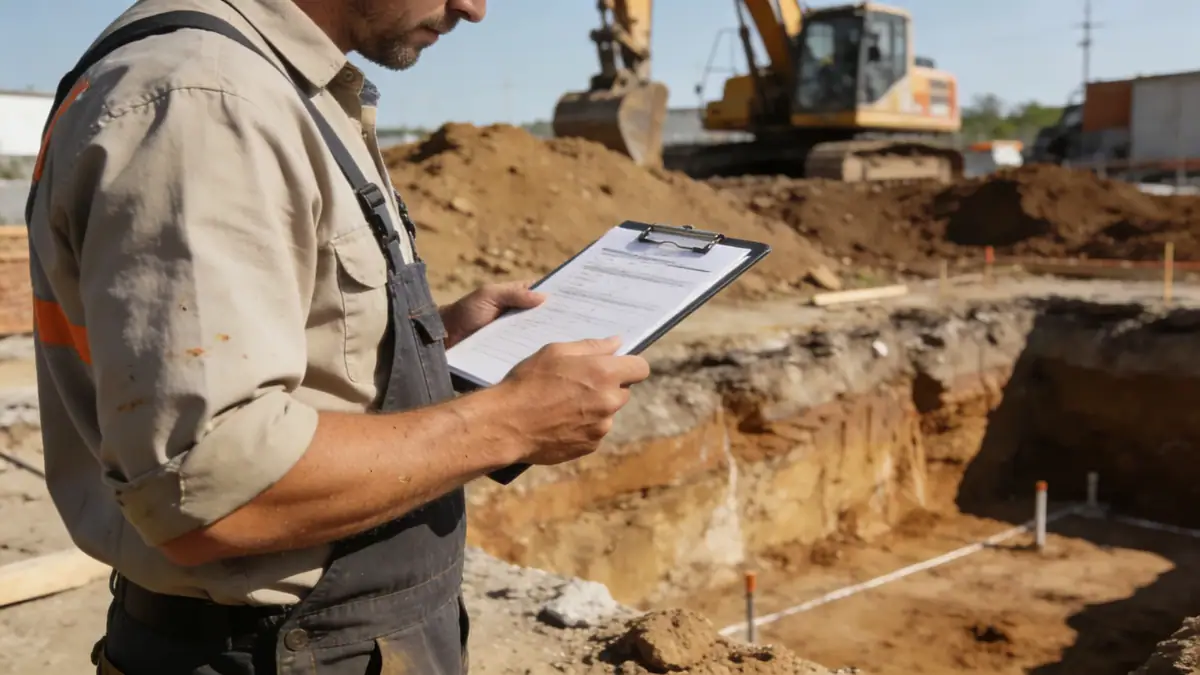
Our methodology for geotechnical engineering in Fort Worth follows a systematic approach, beginning with a thorough review of project requirements and site conditions. We conduct subsurface investigations using spt boring to characterize soil strata and collect undisturbed samples. Field tests adhere to ASTM D1586 for standard penetration testing, with sampling intervals every 1.0 to 1.5 meters to capture variations in the expansive clay layers. Laboratory testing includes classification, strength, and consolidation tests to determine engineering properties. Data analysis incorporates local geologic maps and seismic hazard considerations per ASCE 7, leading to recommendations for foundation type, depth, and ground improvement if needed.
Reference Technical Parameters
| Parameter | Reference Value |
|---|---|
| Predominant soil type | Expansive clay (Ch, Cl) over limestone bedrock |
| Maximum seismic acceleration (PGA) | 0.10g to 0.15g (ASCE 7-16, Site Class D) |
| Typical groundwater level | 15–30 ft below ground surface (variable seasonally) |
| Bedrock depth | 20–50 ft (limestone, Eagle Ford Group) |
| Typical N60 range | 4–15 in clay; 50–100+ in weathered rock |
Local Considerations — Fort Worth
Fort Worth's geology is dominated by Cretaceous-age sedimentary formations, including the Eagle Ford Shale and Austin Chalk. Expansive clay soils derived from these formations exhibit high plasticity (PI > 30) and swell potential, requiring careful moisture control and foundation design. The city lies in seismic zone 2 per the International Building Code, with design accelerations typically 0.10g to 0.15g. Groundwater levels vary but are generally deep, reducing liquefaction risk. Neighborhoods near the Trinity River may encounter alluvial deposits with lower strength. Typical projects include residential slabs-on-grade and commercial deep foundations. For comparison, see our geotechnical engineering en Houston for different coastal conditions.
Request a Quote
Our team reviews your project and issues an initial report at no cost.
Or write us directly at [email protected]
Services in Fort Worth
Applicable Standards
- ASTM D1586 (Standard Penetration Test)
- ASTM D2487 (Unified Soil Classification System)
- ASCE 7 (Minimum Design Loads and Associated Criteria for Buildings)
- International Building Code (IBC) – Fort Worth Amendments
- Texas Administrative Code Title 16, Part 6 (Texas Engineering Practice Act)
Frequently Asked Questions
What are the typical soil conditions in Fort Worth for foundation design?
Fort Worth soils are predominantly expansive clays derived from the Eagle Ford Shale, with high plasticity and shrink-swell potential. Bedrock, usually limestone, is encountered at depths of 20 to 50 feet. Proper geotechnical investigation is essential to mitigate risks of foundation movement.
Does Fort Worth have seismic design requirements?
Yes, Fort Worth is in seismic zone 2 per the IBC, with a mapped spectral acceleration (Ss) of approximately 0.25g. Site-specific analysis per ASCE 7 is required for most structures, considering soil amplification from the deep clay deposits.
Are geotechnical studies mandatory for construction in Fort Worth?
While not always legally required for all projects, most building permits in Fort Worth necessitate a geotechnical report for commercial structures and many residential developments. Lenders and engineers typically require such studies to ensure safety and insurability.