Methodology
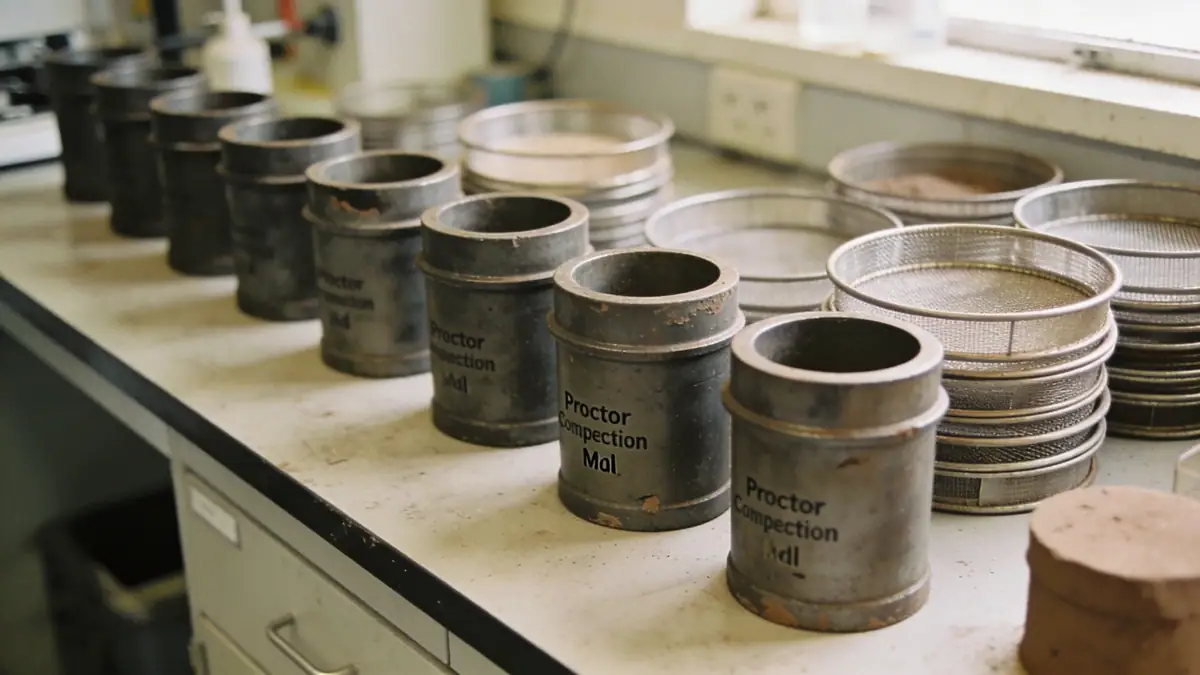
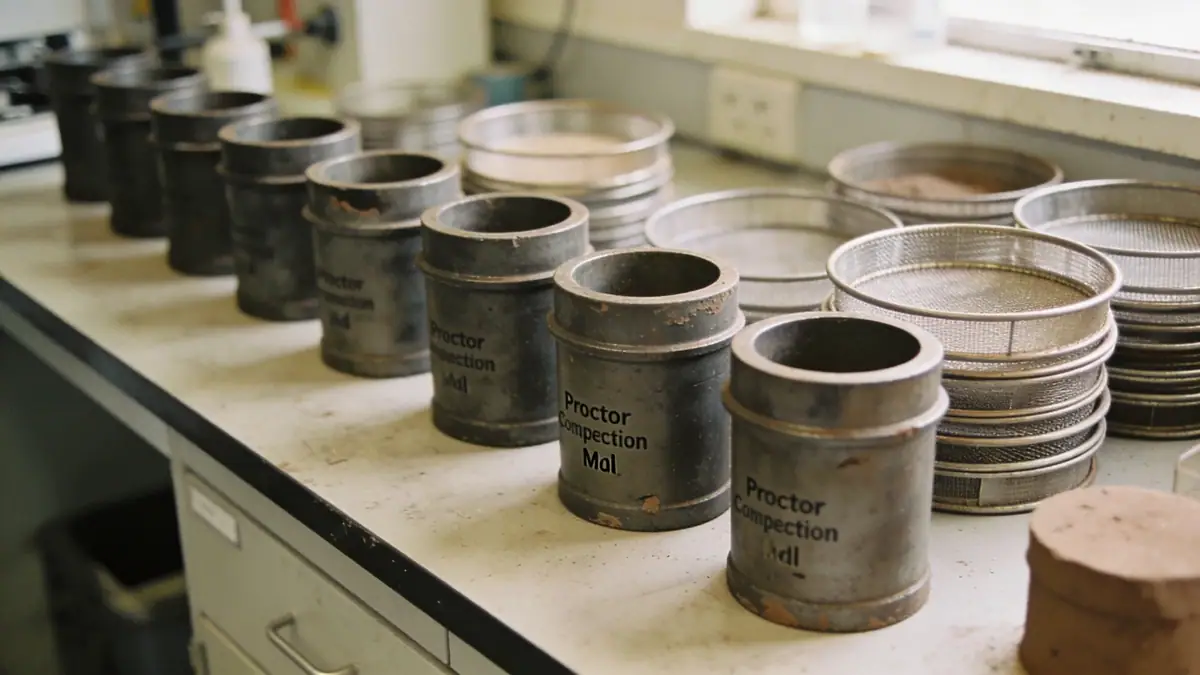
Our methodology for geotechnical engineering in Arlington begins with a thorough review of existing geologic maps and prior site data. We then conduct subsurface investigations using techniques such as spt boring to obtain soil samples and measure in-situ properties. These samples are analyzed in our soil mechanics laboratory to determine classification, strength, and consolidation characteristics. Our approach integrates field and laboratory data to develop site-specific recommendations for foundations, earthworks, and drainage. We adhere to ASTM D1586 for standard penetration testing and utilize numerical modeling to assess slope stability and settlement, ensuring robust engineering solutions.
Reference Technical Parameters
| Parameter | Reference Value |
|---|---|
| Predominant soil type | Expansive clay (Eagle Ford Group) |
| Maximum seismic acceleration (PGA, ASCE 7) | 0.10g to 0.15g |
| Typical groundwater level | 10 to 25 feet below ground surface |
| Bedrock depth | 20 to 40 feet |
| Typical N60 range (SPT) | 8 to 35 blows per foot |
Local Considerations — Arlington
Arlington's geology is dominated by the Eagle Ford Shale and Austin Chalk formations, which contribute to highly expansive clay soils that pose significant risks to foundations. Seasonal moisture variations cause substantial volume changes, necessitating deep foundations or soil modification. The region's seismic hazard is moderate, with peak ground accelerations of 0.10g to 0.15g per ASCE 7, requiring attention to liquefaction potential in sandy layers. Groundwater is typically encountered at depths of 10 to 25 feet, influencing excavation dewatering. Our team is adept at navigating these conditions, providing solutions that align with local building codes. For broader regional context, see our geotechnical engineering en Houston page.
Request a Quote
Our team reviews your project and issues an initial report at no cost.
Or write us directly at [email protected]
Services in Arlington
Applicable Standards
- ASTM D1586 (Standard Penetration Test)
- ASCE 7 (Minimum Design Loads for Buildings)
- International Building Code (IBC) 2021
- City of Arlington Design Standards
Frequently Asked Questions
What are the most common soil types in Arlington?
Arlington predominantly features expansive clay soils from the Eagle Ford Group and Austin Chalk formations. These clays have high plasticity and can undergo significant volume changes with moisture variations, requiring careful foundation design to prevent movement.
Does Arlington have specific seismic design requirements?
Yes, Arlington falls under Seismic Design Category B per ASCE 7, with peak ground accelerations of 0.10g to 0.15g. While not high-risk, structures must account for potential liquefaction in sandy soils and adhere to IBC seismic provisions.
Are geotechnical studies mandatory for construction in Arlington?
The City of Arlington typically requires geotechnical reports for commercial and multi-family projects. For single-family homes, studies are not mandatory but are strongly recommended due to expansive soils. Local building officials may request reports for sites with known instability.