Methodology
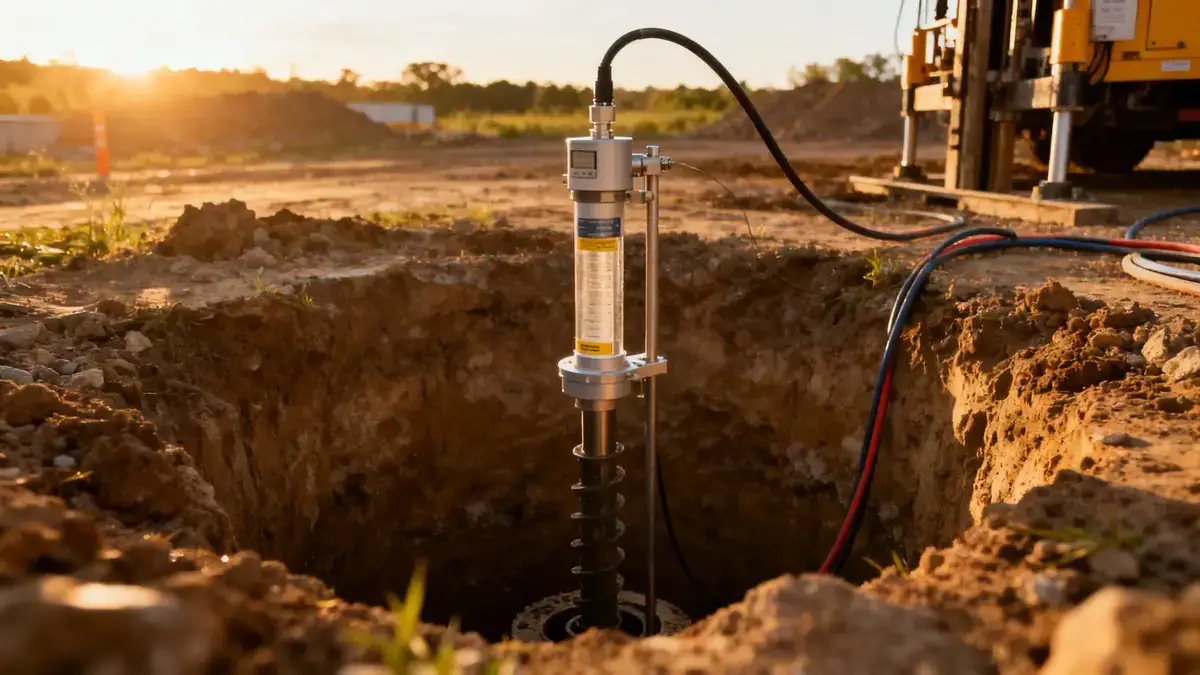
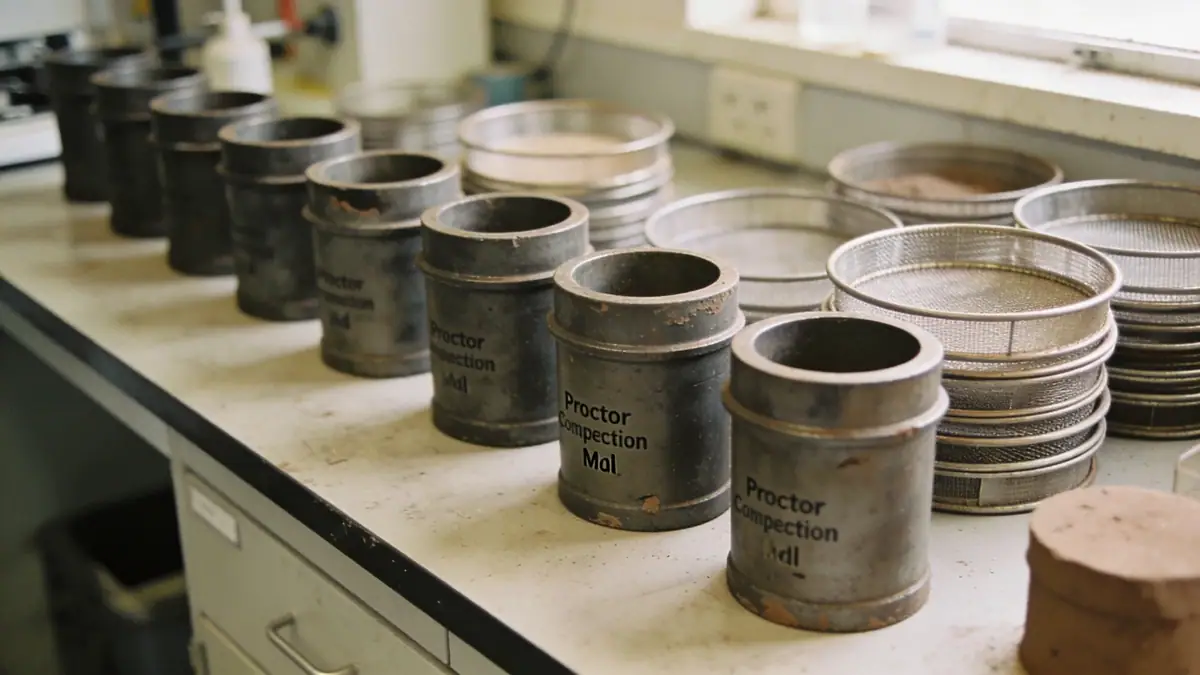
Our approach to geotechnical engineering in Austin begins with a comprehensive desktop study of regional geology and seismic history. We then conduct field investigations, including spt boring at prescribed intervals per ASTM D1586, to obtain disturbed and undisturbed samples. Laboratory testing follows ASTM standards to classify soils and determine strength parameters. Data synthesis yields site-specific recommendations for foundations, earthworks, and seismic design. This methodical process, refined over numerous Austin projects, ensures reliable characterization of subsurface conditions.
Reference Technical Parameters
| Parameter | Reference Value |
|---|---|
| Predominant Soil Type | Clay, sand, and limestone (Edwards Formation) |
| Maximum Seismic Acceleration (PGA) | 0.10g to 0.15g (ASCE 7-16, Site Class C/D) |
| Typical Groundwater Level | 10 to 30 ft (3–9 m) below ground surface |
| Bedrock Depth | 5 to 50 ft (1.5–15 m) depending on location |
| Typical N60 Range (SPT) | 10–30 blows/ft in clay; 30–50+ in sand/limestone |
Local Considerations — Austin
Austin's geology varies significantly from the Edwards Plateau in the west to the Blackland Prairie in the east. Western areas feature shallow limestone bedrock, often requiring rock excavation or deep foundations. Eastern sites exhibit deep expansive clays with high plasticity, demanding moisture management and specialized foundation designs per ASTM D4318. Karst features pose collapse risks. Seasonal drought-flood cycles alter groundwater levels. Our team incorporates these factors into every analysis, referencing ASCE 7 seismic maps. For broader regional context, see our geotechnical engineering en Houston services.
Request a Quote
Our team reviews your project and issues an initial report at no cost.
Or write us directly at [email protected]
Services in Austin
Applicable Standards
- ASTM D1586 (Standard Penetration Test)
- ASCE 7 (Minimum Design Loads for Buildings)
- International Building Code (IBC) with Austin Amendments
- ASTM D4318 (Atterberg Limits)
- ASTM D698 (Standard Proctor)
Frequently Asked Questions
What types of soil are typically encountered in Austin?
Austin's soils range from expansive clays (Ch, CH) in eastern areas to sandy loam and limestone bedrock in the west. Clay plasticity indices often exceed 40, requiring careful foundation design.
Does Austin have seismic design requirements?
Yes, Austin is in Seismic Design Category C per ASCE 7. Peak ground acceleration ranges from 0.10g to 0.15g, requiring seismic load calculations and soil-structure interaction analysis for most structures.
Are geotechnical studies mandatory for construction in Austin?
The City of Austin requires geotechnical reports for new buildings and major additions, especially in areas with known karst or expansive soils. Reports must comply with IBC and local amendments.