Methodology
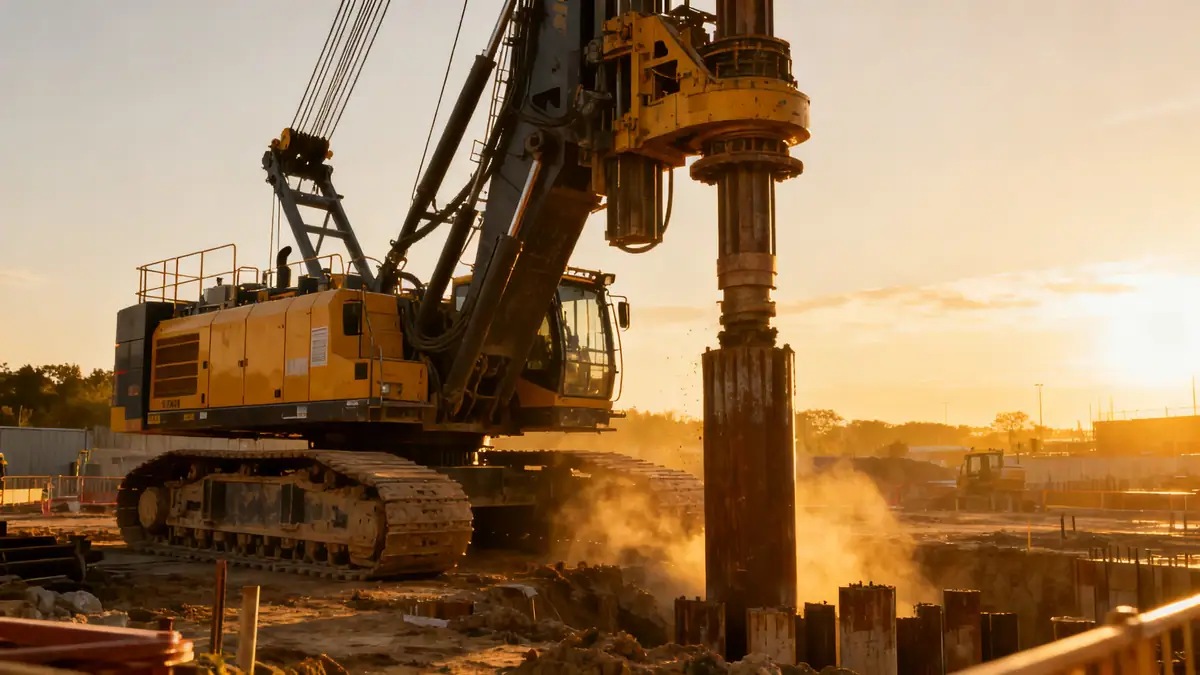
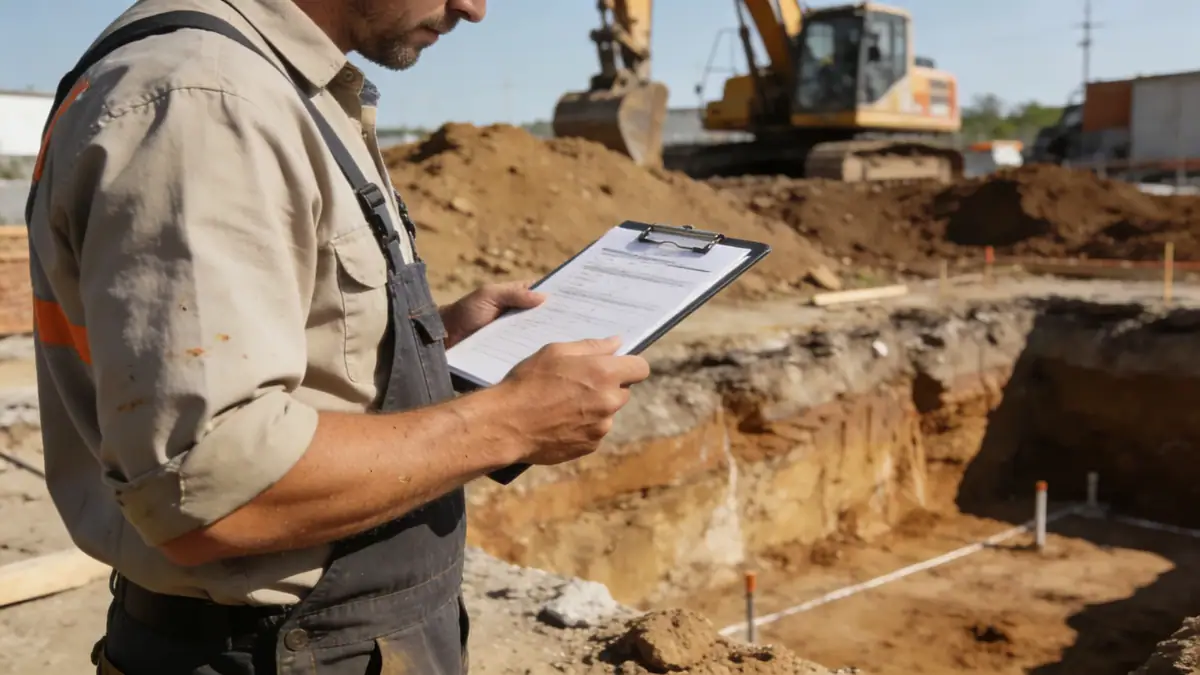
Our approach to geotechnical engineering in Little Rock begins with a thorough review of existing geological maps and historical data to identify subsurface risks. We then conduct targeted field investigations, including spt boring to obtain soil samples and measure penetration resistance at regular intervals. Laboratory testing on retrieved samples determines index properties, strength parameters, and consolidation characteristics. This data is integrated with seismic hazard assessments per applicable codes to develop site-specific foundation recommendations. Our methodology prioritizes accuracy, cost-effectiveness, and compliance with local regulations, ensuring reliable performance for every project.
Reference Technical Parameters
| Parameter | Reference Value |
|---|---|
| Predominant Soil Type | Silty clay and clayey silt (loess-derived), alluvial sands along Arkansas River |
| Maximum Seismic Acceleration (PGA) | 0.2g to 0.3g (Site Class D typical per ASCE 7-22) |
| Typical Groundwater Level | 3 to 8 meters below ground surface, varies seasonally |
| Bedrock Depth | 15 to 30 meters (Arkansas Novaculite and Jackfork Sandstone) |
| Typical N60 Range (SPT) | 4 to 15 in clay layers; 10 to 40 in sand/gravel layers |
Local Considerations — Little Rock
Little Rock's geology is dominated by Quaternary alluvial deposits along the Arkansas River and residual soils derived from the Ouachita Mountains. Expansive clays pose a risk for foundation movement, requiring careful moisture control and deep foundation solutions. Seismic hazard is moderate, with a maximum considered earthquake (MCE) spectral response acceleration of 0.3g for short periods per ASCE 7-22. Neighborhoods such as the Heights and West Little Rock often exhibit variable soil profiles, necessitating site-specific investigations. Common foundation types include drilled piers and spread footings with soil improvement. For projects requiring extensive laboratory characterization, our soil mechanics laboratory provides advanced testing capabilities. Our team also coordinates with geotechnical engineering en Houston for regional expertise.
Request a Quote
Our team reviews your project and issues an initial report at no cost.
Or write us directly at [email protected]
Services in Little Rock
Applicable Standards
- ASTM D1586 (Standard Test Method for Standard Penetration Test)
- ASCE 7-22 (Minimum Design Loads and Associated Criteria for Buildings)
- IBC 2021 (International Building Code)
- Little Rock Municipal Code (Chapter 17 – Building and Construction)
- Arkansas State Earthquake Hazard Mitigation Plan
Frequently Asked Questions
What are the typical soil conditions in Little Rock?
Little Rock's soils consist mainly of silty clays and clayey silts derived from loess, with alluvial sands and gravels near the Arkansas River. Expansive clay minerals are common, leading to potential volume changes with moisture variations. Bedrock is typically found at depths of 15 to 30 meters.
Is a geotechnical study required for new construction in Little Rock?
Yes, the Little Rock Municipal Code and the 2021 IBC require a geotechnical investigation for most new buildings, especially those with complex foundations or in seismic design categories C and above. The study must characterize soil strength, groundwater, and seismic site class to ensure safe design.
How does seismic activity affect foundation design in Little Rock?
Little Rock is in a moderate seismic zone with a peak ground acceleration of 0.2g to 0.3g. Soil amplification due to deep alluvial deposits can increase ground motion. Foundations must be designed per ASCE 7-22, considering site class D and potential liquefaction in saturated sands.