Methodology
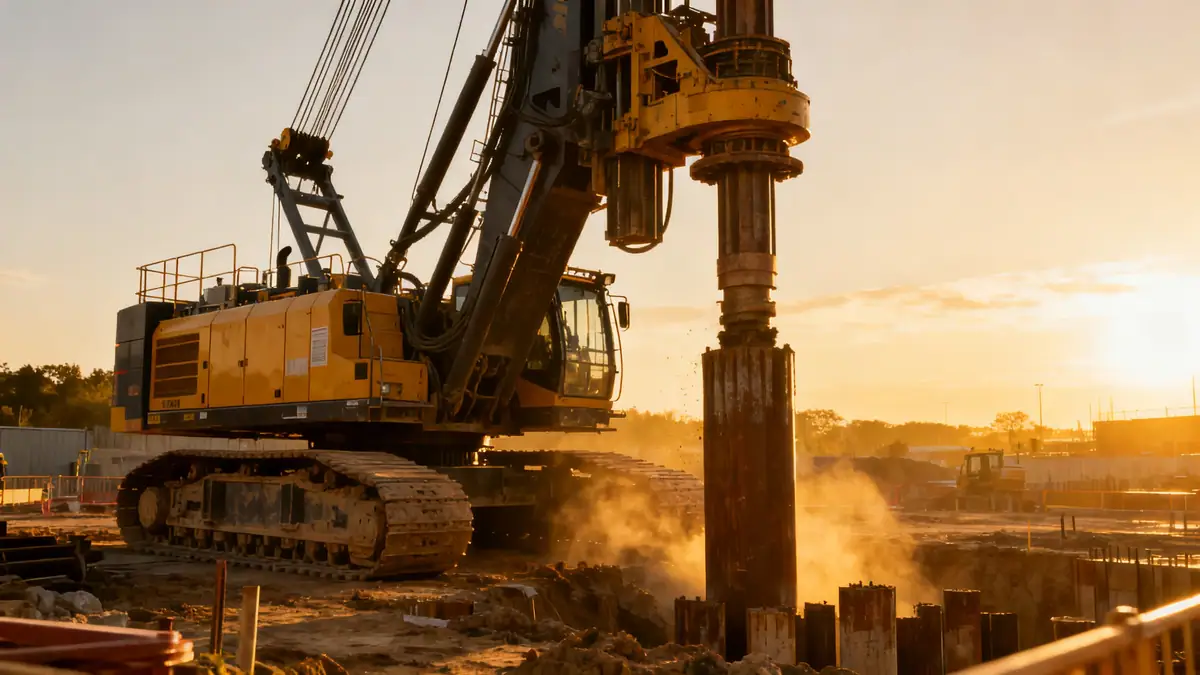
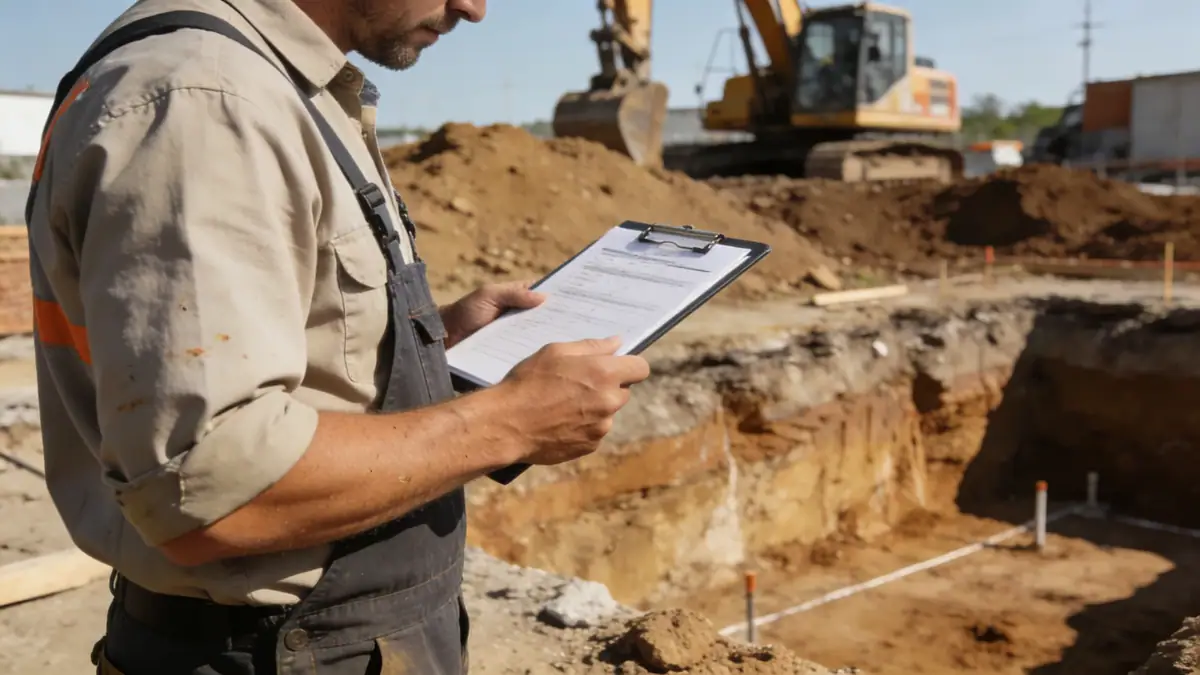
Our methodology for geotechnical engineering in New Orleans integrates comprehensive site investigations, including spt boring to characterize subsurface stratigraphy and soil strength. We follow ASTM D1586 for standard penetration tests, with sampling intervals typically every 1.5 m to capture variability in the soft alluvial deposits. Laboratory testing on recovered samples determines index properties, consolidation behavior, and shear strength parameters. Data analysis employs probabilistic methods to account for spatial variability, ensuring foundation designs are both economical and robust under local loading conditions, including flood and seismic events.
Reference Technical Parameters
| Parameter | Reference Value |
|---|---|
| Predominant soil type | Soft clay and silt (Mississippi River alluvium) |
| Maximum seismic acceleration (PGA) | 0.15–0.25 g (ASCE 7 Seismic Design Category C–D) |
| Typical groundwater level | 0.5–2.0 m below ground surface |
| Bedrock depth | >150 m (deep sedimentary basin) |
| Typical N60 range | 2–10 blows/0.3 m in soft clays; 10–25 in sands |
Local Considerations — New Orleans
New Orleans presents distinct geotechnical challenges: (1) Soft alluvial clays and silts with low bearing capacity (N60 often <5) require deep foundations or ground improvement. (2) High groundwater levels (0.5–2 m) necessitate dewatering and waterproofing considerations. (3) Seismic site class F (soft soil) amplifies ground motions per ASCE 7, demanding site-specific response analyses. (4) Differential behavior between historic fill areas (e.g., French Quarter) and natural levee deposits (e.g., Uptown) influences foundation strategies. (5) Typical case studies include pile-supported structures for flood-prone zones and slope stability assessments for canal banks. Our soil mechanics laboratory provides essential data for these evaluations. For broader regional context, see our geotechnical engineering en Houston page.
Request a Quote
Our team reviews your project and issues an initial report at no cost.
Or write us directly at [email protected]
Services in New Orleans
Applicable Standards
- ASCE 7 (Minimum Design Loads for Buildings and Other Structures)
- ASTM D1586 (Standard Test Method for Standard Penetration Test)
- IBC (International Building Code) with Louisiana Amendments
- Eurocode 7 (Geotechnical Design) – reference for international projects
Frequently Asked Questions
What are the typical soil conditions in New Orleans?
Soils are predominantly soft clays and silts from Mississippi River alluvium, with low shear strength and high compressibility. Groundwater is shallow (0.5–2 m depth), and bedrock is extremely deep (>150 m), requiring deep foundation systems for major structures.
How does seismic design apply to New Orleans?
New Orleans is in Seismic Design Category C–D per ASCE 7, with PGA up to 0.25 g. Soft soils (Site Class F) amplify ground motions, so site-specific response analyses are often required. Our team evaluates liquefaction potential and cyclic softening for critical projects.
Are geotechnical studies mandatory for construction in New Orleans?
Yes, the Louisiana State Uniform Construction Code and local ordinances require geotechnical investigations for most commercial and multi-family projects. Recommendations for foundation design, earthwork, and groundwater control must be submitted with permit applications.