Methodology

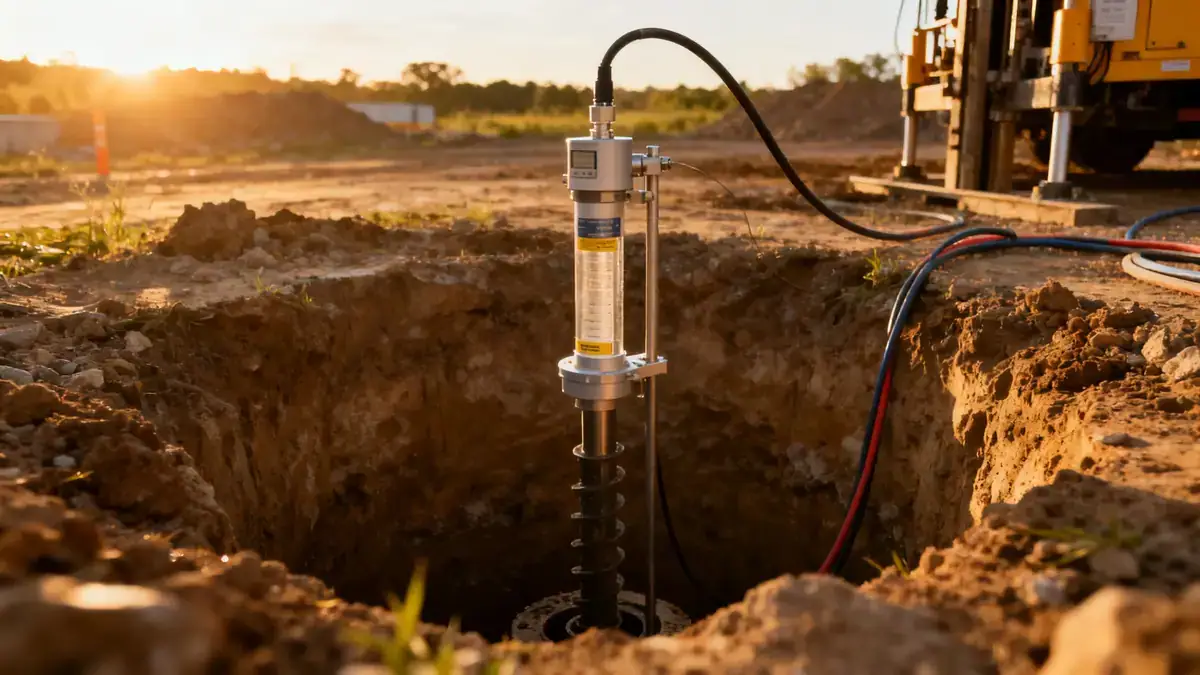
Our geotechnical engineering methodology in Garland begins with a comprehensive review of regional geology and existing site data. We then conduct field investigations, including spt boring to recover disturbed and undisturbed samples at regular intervals per ASTM D1586, and install piezometers to monitor groundwater levels. Laboratory testing on representative samples determines index properties, shear strength, consolidation characteristics, and swell potential. These data are integrated into numerical analyses for foundation design, slope stability, and earth retention. Our approach adheres to local building codes and national standards, ensuring reliable recommendations for each project's specific conditions.
Reference Technical Parameters
| Parameter | Reference Value |
|---|---|
| Predominant soil type | Expansive clay (Eagle Ford Shale) |
| Maximum seismic acceleration (PGA) | 0.10–0.15 g (ASCE 7) |
| Typical groundwater level | 5–10 m below ground surface |
| Bedrock depth | 15–30 m (Austin Chalk) |
| Typical N60 range | 4–15 (clay), 20–40 (sandy layers) |
Local Considerations — Garland
Garland's geology is dominated by expansive clay soils that can cause foundation heave and structural distress if not properly addressed. The water table is relatively deep, but seasonal rainfall can create perched water conditions. Seismic design per ASCE 7 is required, with peak ground accelerations of 0.10–0.15 g. Different neighborhoods, such as those near Lake Ray Hubbard versus inland areas, exhibit varying soil plasticity and bedrock depth, affecting foundation and slope design. Typical projects include single-family homes, commercial strip centers, and roadway embankments. For broader regional context, our geotechnical engineering en Houston team addresses similar expansive soil challenges.
Request a Quote
Our team reviews your project and issues an initial report at no cost.
Or write us directly at [email protected]
Services in Garland
Applicable Standards
- ASTM D1586
- ASCE 7
- IBC (International Building Code)
- City of Garland Building Code
Frequently Asked Questions
What are the typical soil conditions in Garland?
Garland's soils are predominantly expansive clays derived from the Eagle Ford Formation. These clays have high plasticity and undergo significant volume changes with moisture, requiring special foundation designs such as drilled piers or post-tensioned slabs.
Is seismic design required in Garland?
Yes, Garland is in a moderate seismic zone per ASCE 7, with design accelerations of 0.10–0.15 g. Geotechnical investigations must provide site-specific seismic parameters, including site class and liquefaction potential, to comply with the International Building Code.
Are geotechnical studies mandatory for new construction in Garland?
While not always legally required for single-family homes, most lenders and local building officials recommend or require a geotechnical report to mitigate risks from expansive soils and seismic activity. Commercial projects typically mandate such studies under the IBC.