Methodology
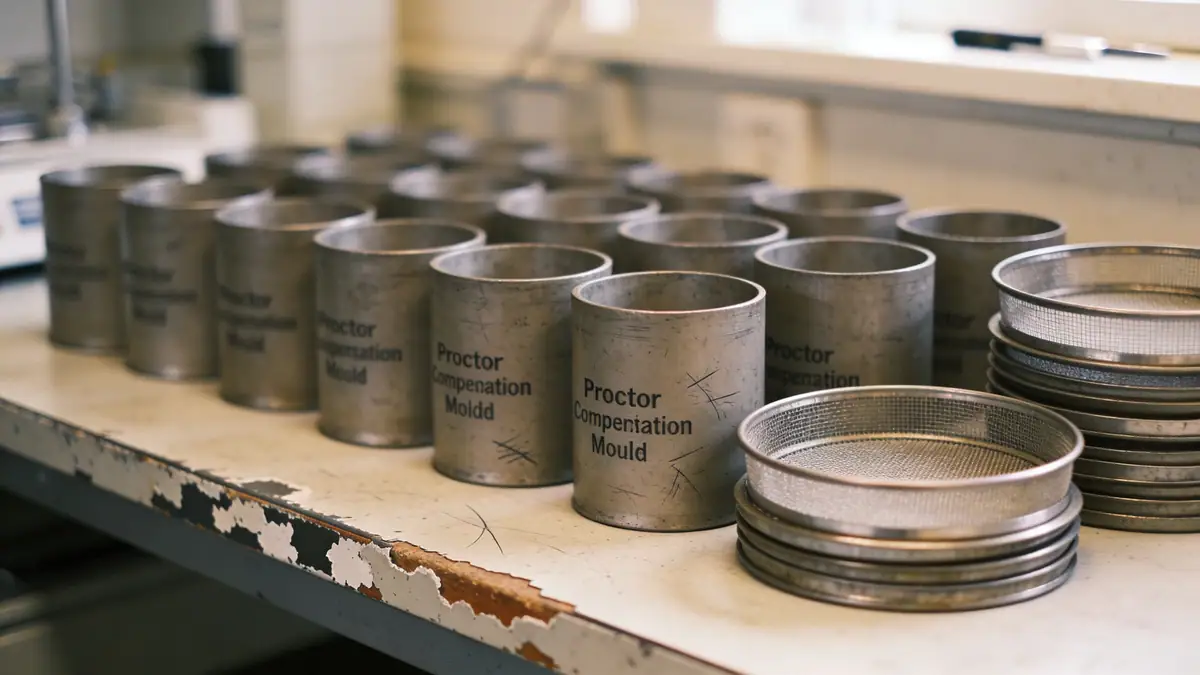
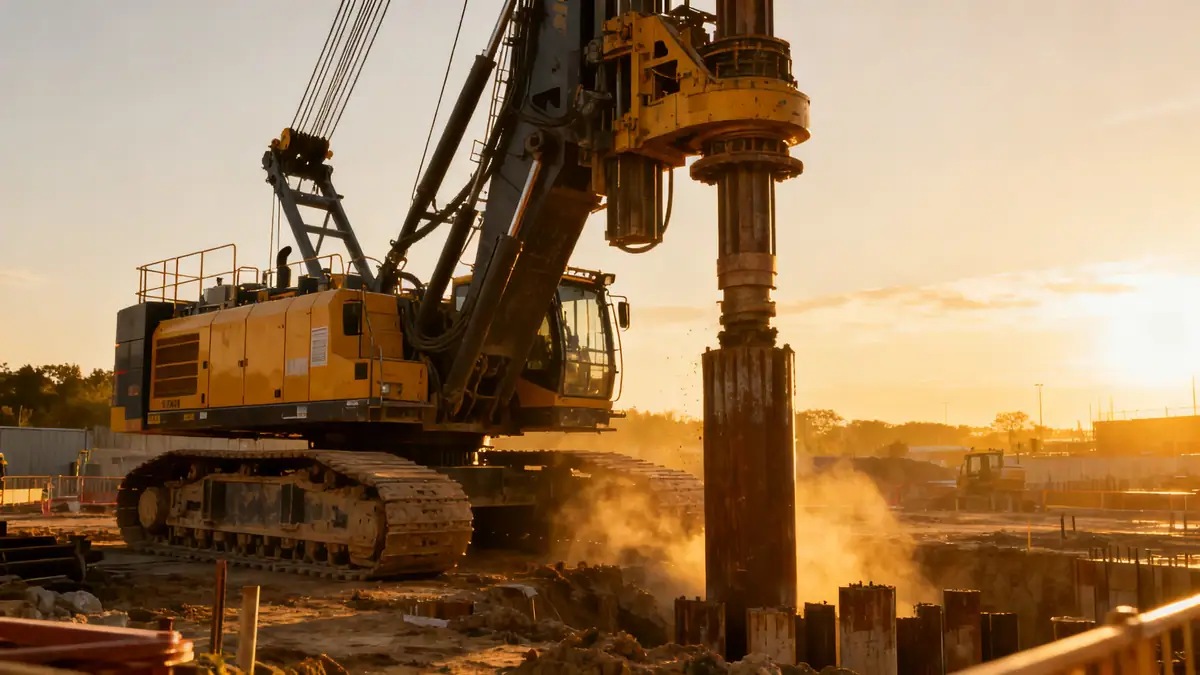
Our methodology for geotechnical engineering in Allentown begins with a comprehensive review of existing geologic maps and subsurface data. We then conduct field investigations, including spt boring in accordance with ASTM D1586, to characterize soil stratigraphy and strength parameters. Laboratory testing on recovered samples provides index properties, consolidation characteristics, and shear strength parameters. These data are synthesized into a geotechnical model that informs foundation recommendations, seismic site classification per ASCE 7, and earthwork specifications. All analyses are performed with rigorous quality control to ensure reliable outcomes.
Reference Technical Parameters
| Parameter | Reference Value |
|---|---|
| Predominant Soil Type | Glacial till and alluvial silty sands with gravel |
| Maximum Seismic Acceleration (PGA) | 0.15g (ASCE 7-16, Site Class C) |
| Typical Groundwater Level | 3 to 6 meters below grade |
| Bedrock Depth | 10 to 25 meters (karstic limestone) |
| Typical N60 Range (SPT) | 5 to 30 blows/0.3m |
Local Considerations — Allentown
Allentown's subsurface is shaped by glacial processes and karstic limestone bedrock. Soils vary from dense glacial tills to loose alluvial deposits along the Lehigh River. Groundwater levels fluctuate with seasons, requiring careful dewatering planning. Seismic design per ASCE 7-16 indicates moderate hazard with PGA of 0.15g. Foundation designs often involve spread footings on competent strata or deep foundations where karst voids are present. For projects requiring specialized analyses, our soil mechanics laboratory provides precise testing to support design decisions. Our team also coordinates with the broader expertise of our geotechnical engineering en Philadelphia office to leverage regional knowledge.
Request a Quote
Our team reviews your project and issues an initial report at no cost.
Or write us directly at [email protected]
Services in Allentown
Applicable Standards
- ASTM D1586 (Standard Penetration Test)
- ASCE 7-16 (Minimum Design Loads and Associated Criteria for Buildings)
- IBC 2018 (International Building Code)
- Pennsylvania Department of Transportation (PennDOT) Standards
Frequently Asked Questions
What are the typical soil conditions in Allentown?
Allentown soils are predominantly glacial till and alluvial silty sands with gravel, underlain by karstic limestone bedrock. Soil density and groundwater levels vary, necessitating site-specific investigations for reliable foundation design.
Does Allentown require seismic design for buildings?
Yes, Allentown is in a moderate seismic zone per ASCE 7-16, with a PGA of 0.15g. Seismic site classification and lateral load analysis are required for most commercial and multi-story residential structures.
Are geotechnical studies mandatory for construction in Allentown?
While not universally mandated for single-family homes, most commercial and public projects require geotechnical reports to comply with IBC 2018 and local building codes. Lenders and insurers often also require them.