Methodology
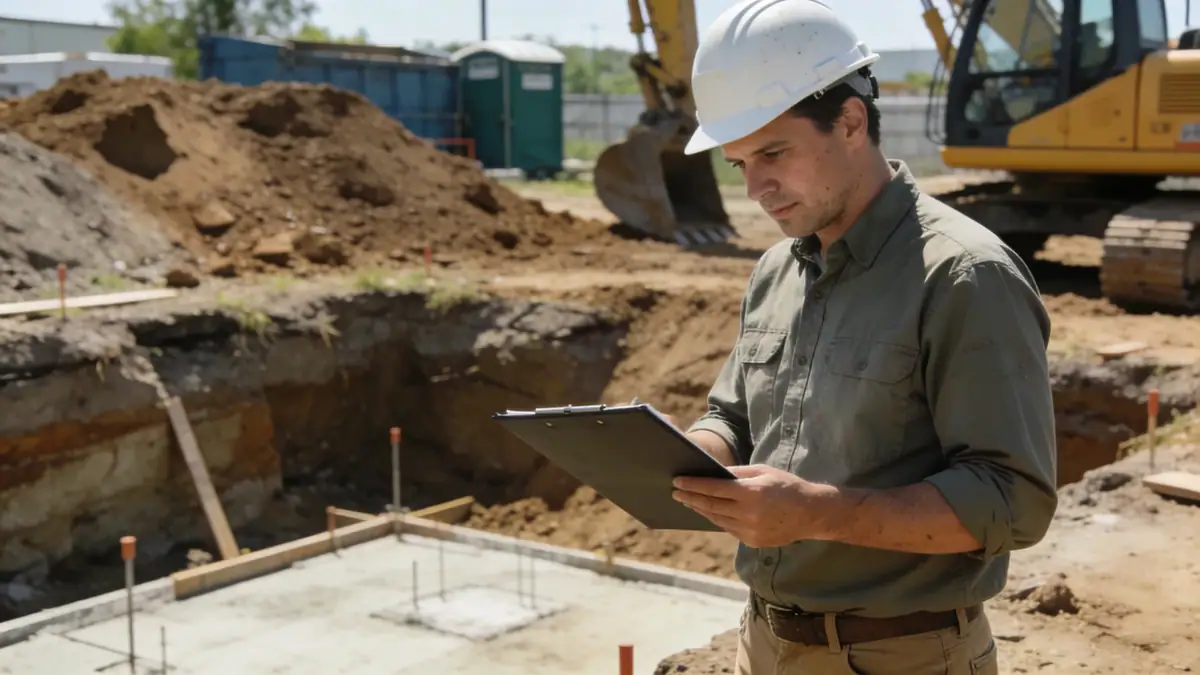
Our methodology for geotechnical engineering in Birmingham Alabama integrates site-specific field investigations and laboratory testing following ASTM D1586 for Standard Penetration Tests (SPT). We deploy spt boring to characterize soil strata and measure N-values, typically at 1.5-meter intervals to depths of 10–20 meters. Data is correlated with local geologic maps and supplemented by groundwater monitoring. This approach delivers robust soil profiles essential for foundation design, slope stability assessments, and retaining wall design, ensuring compliance with ASCE 7 seismic loads.
Reference Technical Parameters
| Parameter | Reference Value |
|---|---|
| Predominant soil type | Residual silty sands and clayey gravels over weathered limestone/shale |
| Maximum seismic acceleration (PGA) | 0.10–0.15 g (ASCE 7 Site Class C/D) |
| Typical groundwater level | 3–8 m below grade, varies with topography |
| Bedrock depth | 5–20 m; shallow in ridge areas, deeper in valleys |
| Typical N60 range | 10–30 blows/ft in residual soils; >50 in weathered rock |
Local Considerations — Birmingham Alabama
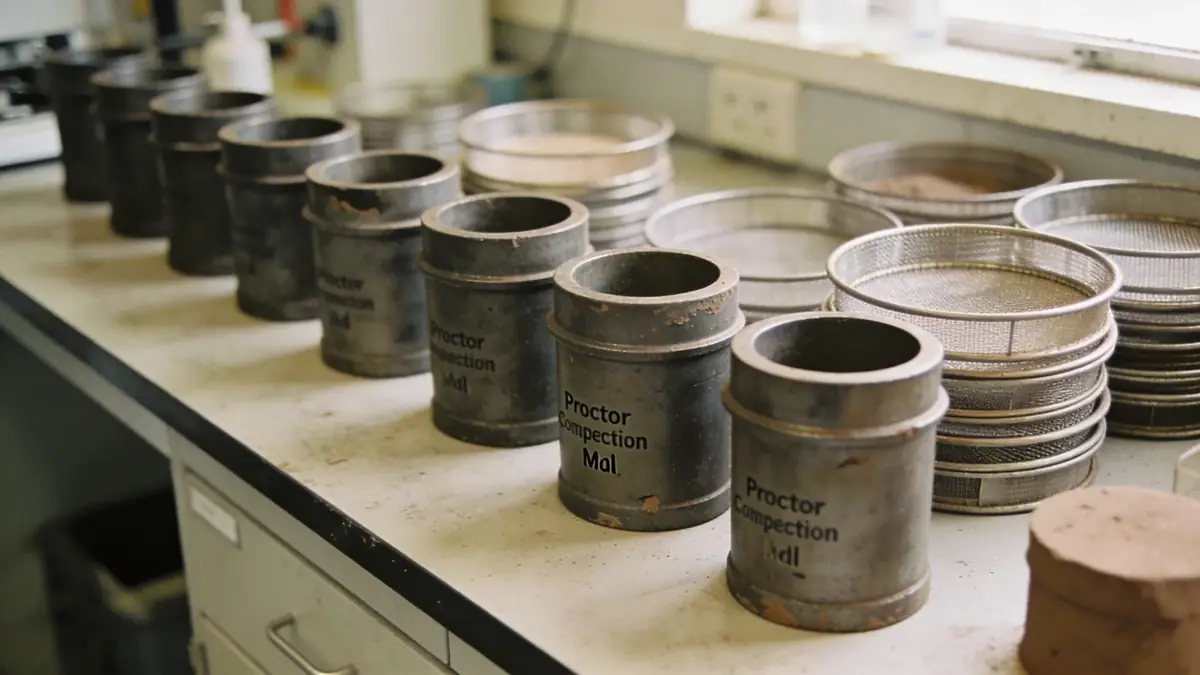
Birmingham’s geology is dominated by the Valley and Ridge province, with folded sedimentary rocks (limestone, shale, sandstone) overlain by residual clays and silts. Steep slopes in areas like Red Mountain require careful slope stability analysis, while alluvial soils along the Cahaba River present variable bearing conditions. Seismic site class ranges from C to D per ASCE 7. For projects in downtown Birmingham, deep foundations often bear on limestone, whereas suburban sites may use shallow footings after compaction. Our soil mechanics laboratory provides index properties and strength parameters tailored to these local conditions, supporting safe and economical designs. For broader regional context, our geotechnical engineering en Atlanta hub offers complementary insights.
Request a Quote
Our team reviews your project and issues an initial report at no cost.
Or write us directly at [email protected]
Services in Birmingham Alabama
Applicable Standards
- ASTM D1586 (Standard Penetration Test)
- ASCE 7 (Minimum Design Loads for Buildings)
- IBC (International Building Code)
- ASTM D2487 (Unified Soil Classification System)
Frequently Asked Questions
What are the typical soil conditions in Birmingham Alabama for foundation design?
Birmingham soils are primarily residual silty sands and clayey gravels from weathered limestone and shale. Alluvial deposits exist in valley areas. N60 values range from 10 to 30 blows/ft in residual soils, requiring site-specific testing per ASTM D1586 to determine bearing capacity and settlement.
Is seismic analysis required for geotechnical engineering in Birmingham Alabama?
Yes, per ASCE 7, Birmingham falls in Seismic Design Category B to C with PGA up to 0.15 g. Site class must be determined via shear wave velocity or SPT N-values to compute seismic loads. Our firm routinely incorporates these provisions into foundation and slope designs.
Do I need a geotechnical study for a residential project in Birmingham Alabama?
While not always mandatory, most local jurisdictions require a geotechnical report for new construction, especially on hillsides or near waterways. A study identifies soil strength, groundwater, and potential landslides, reducing liability and ensuring code compliance.