Methodology
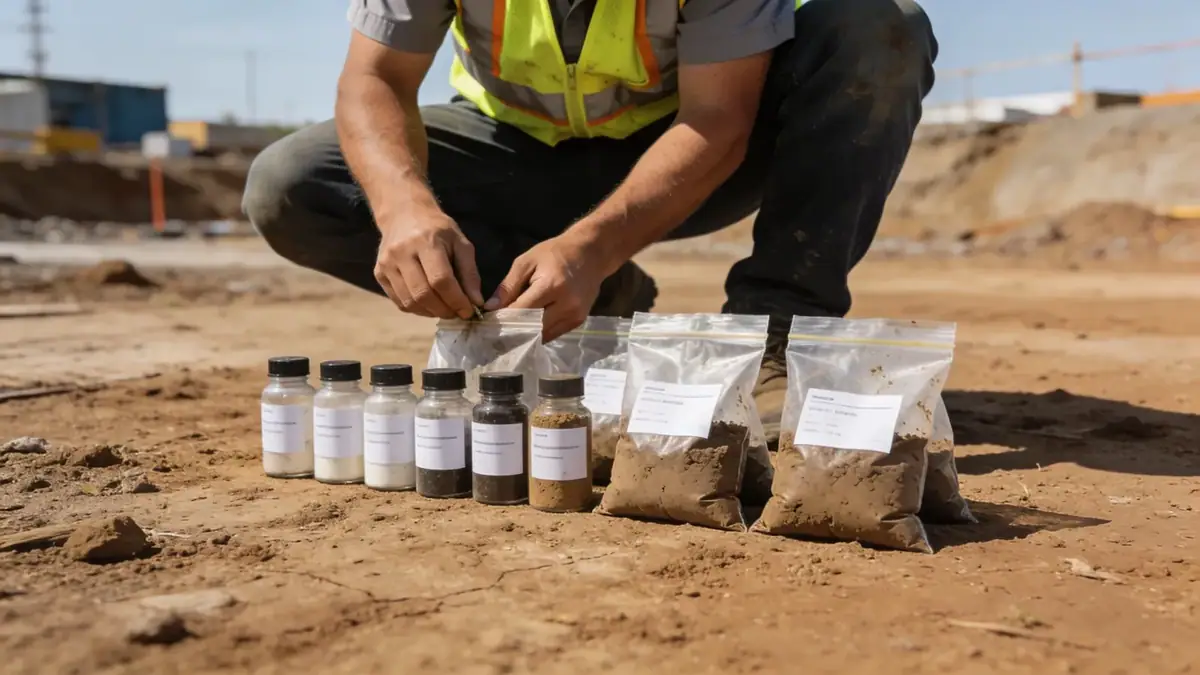
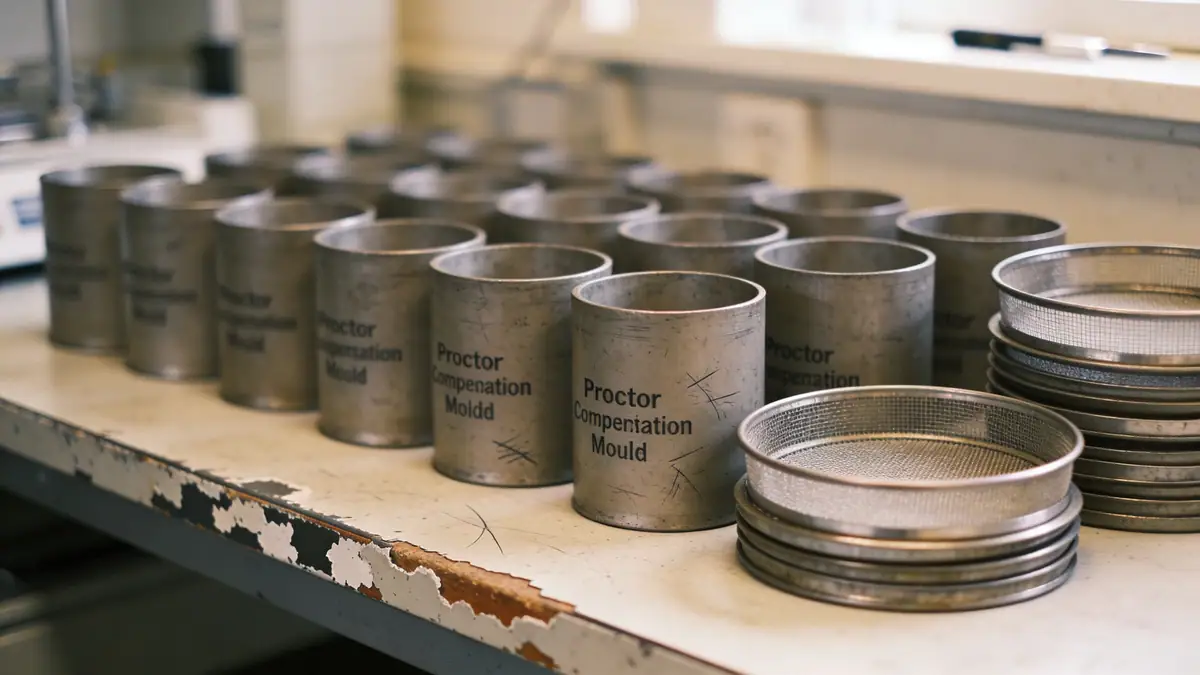
Our approach in Boston begins with a thorough review of existing geotechnical data and historical records, particularly for filled lands. We then conduct field investigations including spt boring to characterize subsurface conditions, supplemented by laboratory testing of soil and rock samples. Our methodology integrates seismic hazard analysis per ASCE 7, addressing Boston’s moderate seismicity. We emphasize phased investigations for large sites, allowing for optimization of foundation design and construction methods. All work adheres to ASTM standards, ensuring reliable data for our clients.
Reference Technical Parameters
| Parameter | Reference Value |
|---|---|
| Predominant soil type | Glacial till, marine clay (Boston Blue Clay), and fill |
| Maximum seismic acceleration (PGA) | 0.15–0.20 g (ASCE 7-16) |
| Typical groundwater level | 1.5–4.5 m below surface (varies with fill and tide) |
| Bedrock depth | 0–30 m (shallow in Roxbury, deep in Back Bay) |
| Typical N60 range (SPT) | 5–30 blows/0.3 m (fill and clay); >50 in till |
Local Considerations — Boston
Boston’s subsurface is dominated by glacial till, marine clay (Boston Blue Clay), and artificial fill, particularly in Back Bay, South Boston, and the Seaport District. High groundwater levels, often within 1.5–4.5 m of the surface, require careful dewatering and waterproofing. Seismic hazard is moderate (PGA 0.15–0.20 g per ASCE 7), necessitating site-specific response analysis for critical structures. Bedrock depth varies significantly: shallow in Roxbury (0–5 m) and deep in Back Bay (up to 30 m). Our team has extensive experience with deep foundations and ground improvement in these conditions. For comparison, see our geotechnical engineering en New York practice.
Request a Quote
Our team reviews your project and issues an initial report at no cost.
Or write us directly at [email protected]
Services in Boston
Applicable Standards
- ASCE 7 (Minimum Design Loads for Buildings and Other Structures)
- ASTM D1586 (Standard Test Method for Standard Penetration Test)
- Massachusetts Building Code (780 CMR)
- Boston Groundwater Trust Guidelines
Frequently Asked Questions
What are the main soil types in Boston?
Boston’s soils primarily consist of glacial till, Boston Blue Clay, and artificial fill. Glacial till is dense and provides good bearing capacity. Boston Blue Clay is a soft to medium-stiff marine clay with low strength and high compressibility. Fill is variable and often contains debris, requiring careful investigation.
How does seismic design apply in Boston?
Boston is in a moderate seismic zone with a PGA of 0.15–0.20 g per ASCE 7. Site-specific ground motion analysis is required for essential facilities. Soil amplification due to soft clay deposits can increase demands, so dynamic soil properties must be evaluated.
Is geotechnical investigation required for all projects in Boston?
Yes, the Massachusetts Building Code mandates a geotechnical investigation for most structures. The Boston Groundwater Trust also requires monitoring for excavations near filled land. Our team conducts investigations that satisfy both code requirements and project-specific needs.