Methodology
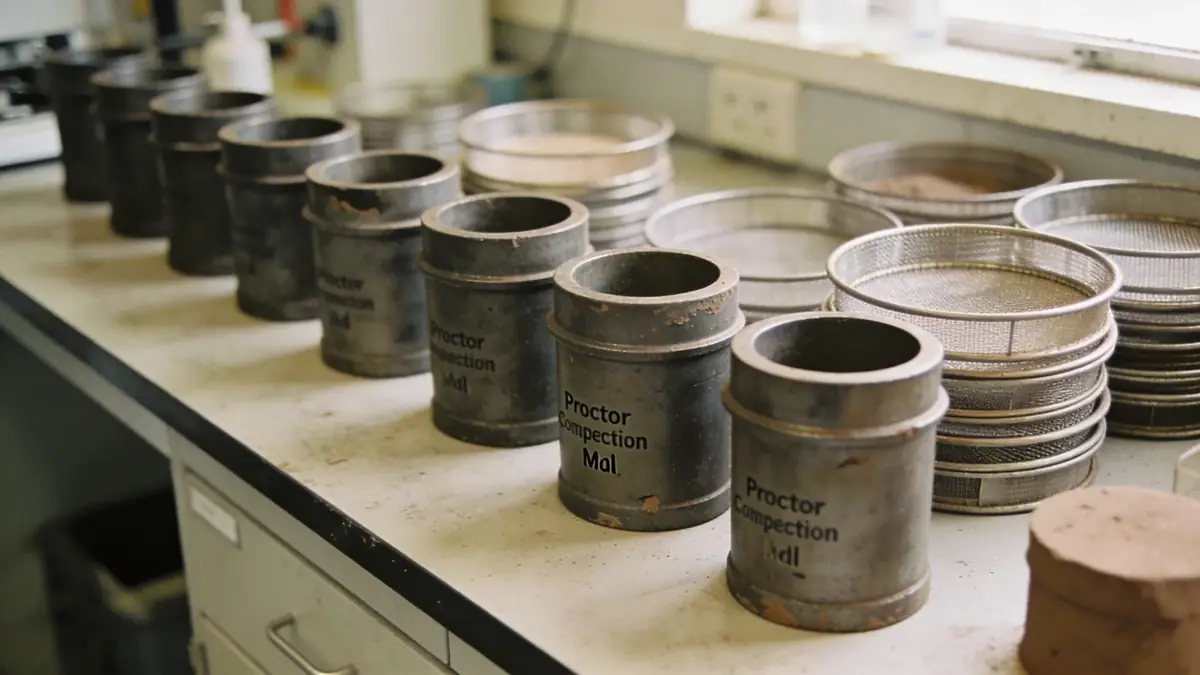
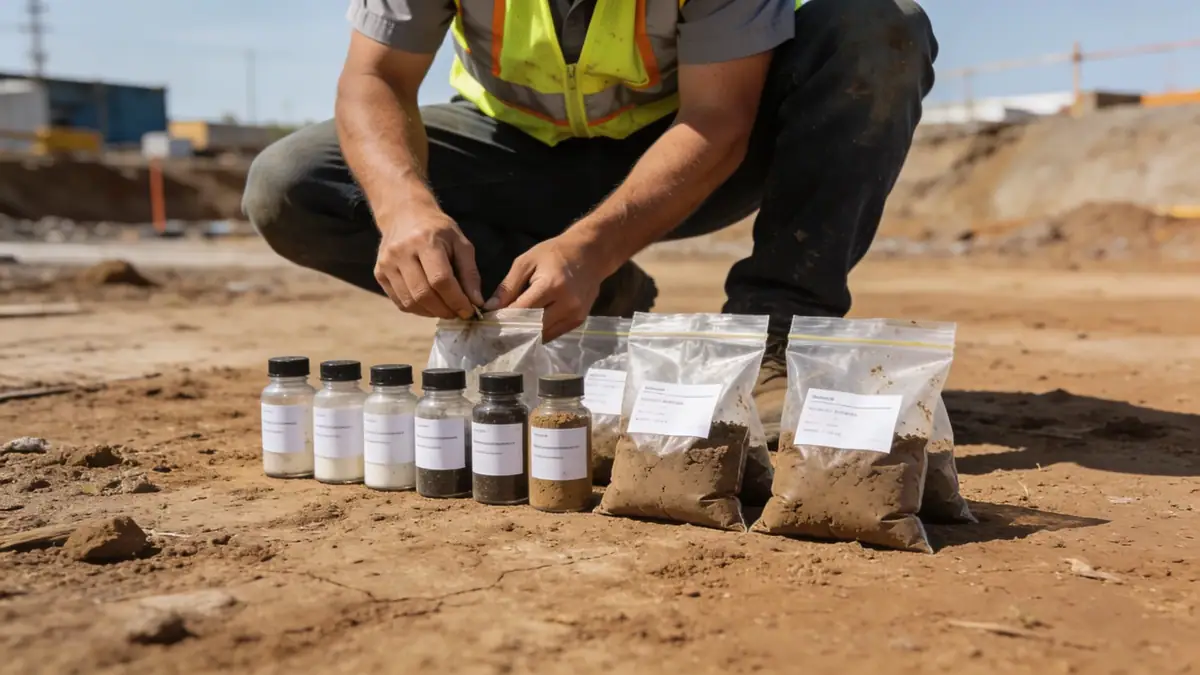
Our approach in Buffalo begins with a thorough review of existing geological maps and historical boring logs to identify potential variability. We then conduct a site-specific exploration program, which may include spt boring to characterize soil strata and groundwater conditions. Laboratory testing on recovered samples follows ASTM D1586 protocols for standard penetration tests, supplemented by index properties and strength tests. Data are analyzed using geotechnical software to model bearing capacity and settlement. This systematic methodology ensures that our recommendations address the unique challenges of Buffalo's glacial deposits and seismic environment.
Reference Technical Parameters
| Parameter | Reference Value |
|---|---|
| Predominant soil type | Glacial till (silty sand/clay with gravel) |
| Maximum seismic acceleration (PGA) | 0.18g (ASCE 7-16, Site Class C/D) |
| Typical groundwater level | 3–6 m below ground surface |
| Bedrock depth | 10–30 m (shallow in northern areas) |
| Typical N60 range | 10–30 blows/0.3 m (dense till) |
Local Considerations — Buffalo
Buffalo's geology is dominated by glacial till and lacustrine deposits from proglacial lakes, with variable thickness and occasional buried channels. The water table is generally shallow (3–6 m), requiring dewatering considerations for deep excavations. Seismic hazard is moderate, with a peak ground acceleration of 0.18g per ASCE 7-16, necessitating liquefaction assessment in loose saturated sands. Downtown areas often feature fill soils from historical industrial activity, while suburban sites may encounter varved clays. Our team integrates these local factors into every project, supported by our soil mechanics laboratory for precise characterization. For broader regional context, our geotechnical engineering in Philadelphia provides additional insights into northeastern US subsurface conditions.
Request a Quote
Our team reviews your project and issues an initial report at no cost.
Or write us directly at [email protected]
Services in Buffalo
Applicable Standards
- ASTM D1586 (Standard Penetration Test)
- ASCE 7-16 (Minimum Design Loads for Buildings)
- NYCRR Title 9 (New York State Building Code)
- ASTM D2487 (Unified Soil Classification System)
Frequently Asked Questions
What are the typical soil conditions in Buffalo for foundation design?
Buffalo's soils are predominantly glacial till—a dense mixture of sand, silt, clay, and gravel—with variable consistency. Lacustrine clays and silts are common in lowland areas. These materials generally provide adequate bearing capacity but can exhibit settlement issues if not properly characterized. Groundwater is typically encountered at depths of 3 to 6 meters.
How does seismic hazard affect geotechnical engineering in Buffalo?
Buffalo falls within Seismic Design Category B per ASCE 7-16, with a mapped peak ground acceleration of 0.18g. While moderate, this hazard requires evaluation of liquefaction potential in loose saturated sands and assessment of site class effects. Our analyses incorporate these factors to ensure foundation designs meet code requirements.
Are geotechnical investigations mandatory for construction projects in Buffalo?
While not explicitly required for all projects, the New York State Building Code mandates a geotechnical investigation for most commercial and multi-family structures. Local municipalities in Erie County often enforce this requirement. A thorough investigation helps avoid costly overdesign or foundation failures, particularly given Buffalo's variable subsurface conditions.