Methodology

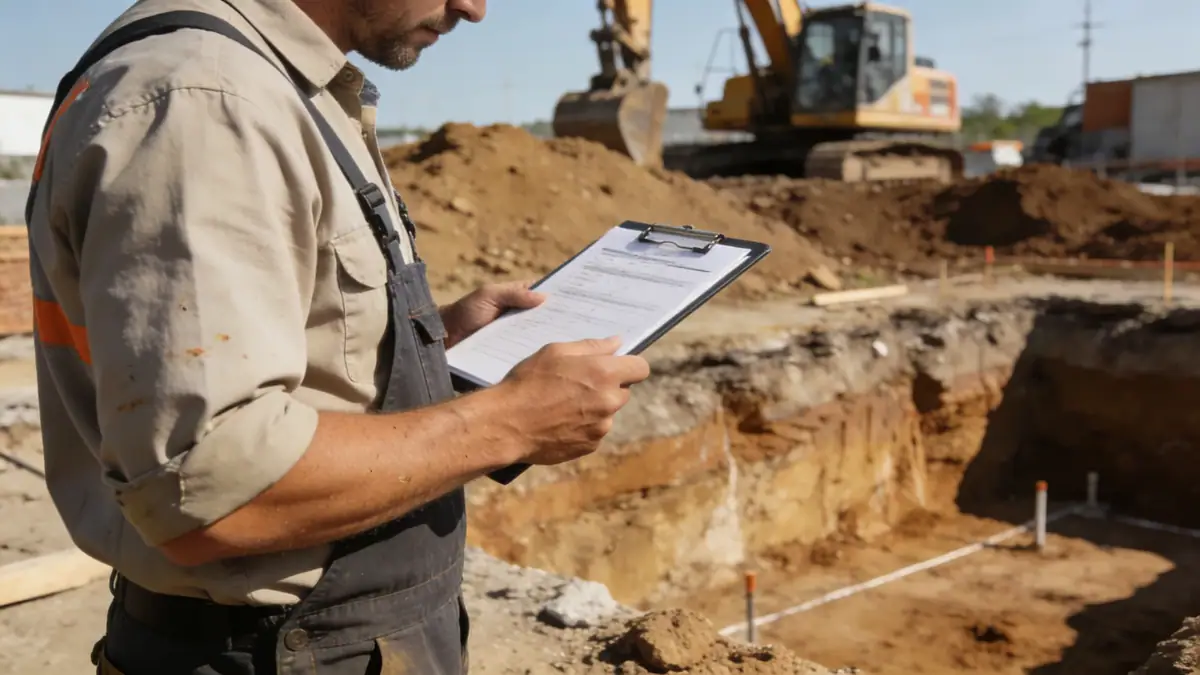
Our team employs a systematic approach to geotechnical engineering in Cary North Carolina, beginning with a thorough review of existing geological maps and historical data. Field investigations typically include spt boring to assess soil stratification and collect disturbed samples, supplemented by cone penetration testing (CPT) for continuous profiling. Laboratory testing on recovered samples follows ASTM standards, including grain size analysis (ASTM D6913), Atterberg limits (ASTM D4318), and unconfined compression tests (ASTM D2166). This multi-method approach provides reliable data for foundation design and earthwork recommendations.
Reference Technical Parameters
| Parameter | Reference Value |
|---|---|
| Predominant soil type | Residual silty sands and clays (Piedmont soils) |
| Maximum seismic acceleration (PGA) | 0.2 g (ASCE 7-16, Site Class C) |
| Typical groundwater level | 5-15 ft below ground surface, seasonal variation |
| Bedrock depth | 10-50 ft, highly variable (gneiss/schist) |
| Typical N60 range | 10-30 blows/ft (upper 20 ft), increasing with depth |
Local Considerations — Cary North Carolina
Cary's geology is dominated by Piedmont residual soils, which are highly variable due to weathering of underlying metamorphic bedrock. Shallow groundwater is common in low-lying areas, requiring dewatering for excavations. Seismic design per ASCE 7-16 with Site Class C applies, with peak ground acceleration of 0.2 g. Older neighborhoods near downtown may have undocumented fill, while newer developments on the western edge often encounter deeper bedrock. Typical projects include residential subdivisions requiring soil bearing capacity verification and commercial buildings needing deep foundations where shallow soils are inadequate. Our local experience ensures tailored solutions for Cary's unique subsurface conditions.
Request a Quote
Our team reviews your project and issues an initial report at no cost.
Or write us directly at [email protected]
Services in Cary North Carolina
Applicable Standards
- ASTM D1586 (Standard Test Method for Standard Penetration Test (SPT))
- ASCE 7-16 (Minimum Design Loads and Associated Criteria for Buildings and Other Structures)
- North Carolina State Building Code (2018 edition, with amendments)
- ASTM D2487 (Classification of Soils for Engineering Purposes)
Frequently Asked Questions
What are the typical soil conditions in Cary, North Carolina?
Cary's soils are predominantly residual silty sands and clays derived from weathered gneiss and schist. These soils are often stiff to very stiff near the surface but can become loose or soft in zones of deeper weathering. Groundwater is typically encountered at depths of 5 to 15 feet.
Does Cary have specific seismic design requirements?
Yes, per ASCE 7-16, Cary falls under Seismic Design Category B with a peak ground acceleration of 0.2 g. Site Class C is typical, though site-specific studies may alter classification. The North Carolina State Building Code mandates seismic provisions for most structures.
Are geotechnical studies mandatory for construction in Cary?
While not always legally required for all projects, most building permits in Cary necessitate a geotechnical report for commercial structures and large residential subdivisions. Lenders and insurers often require subsurface investigations to mitigate risk.