Methodology
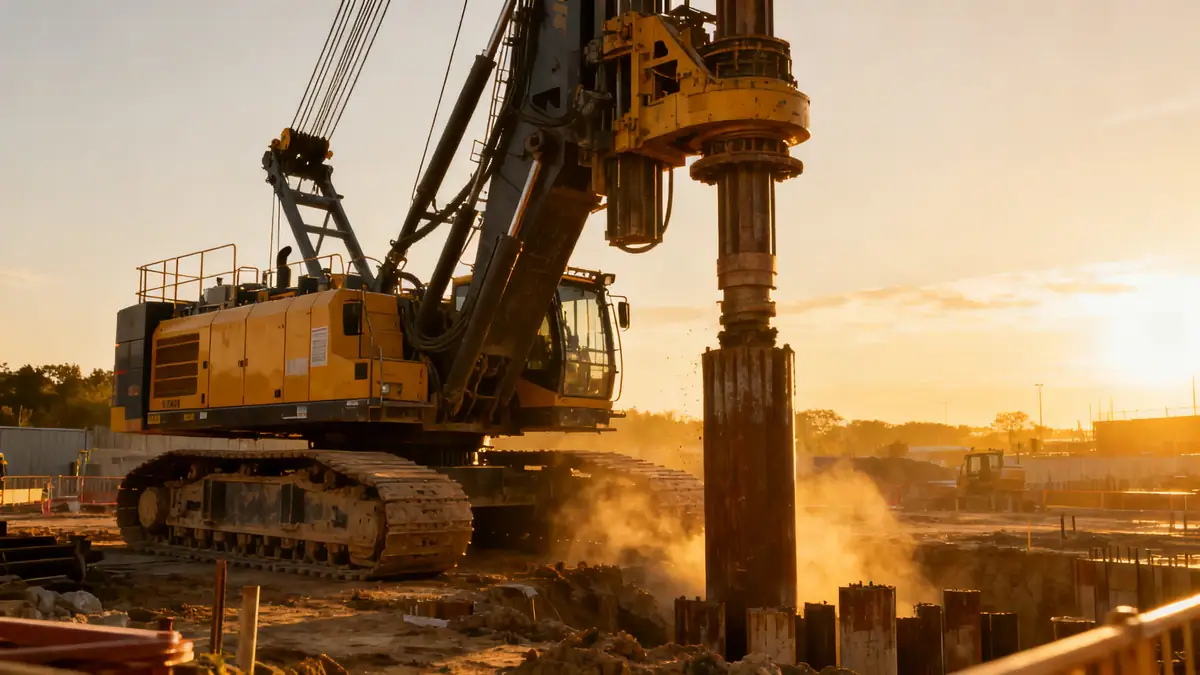
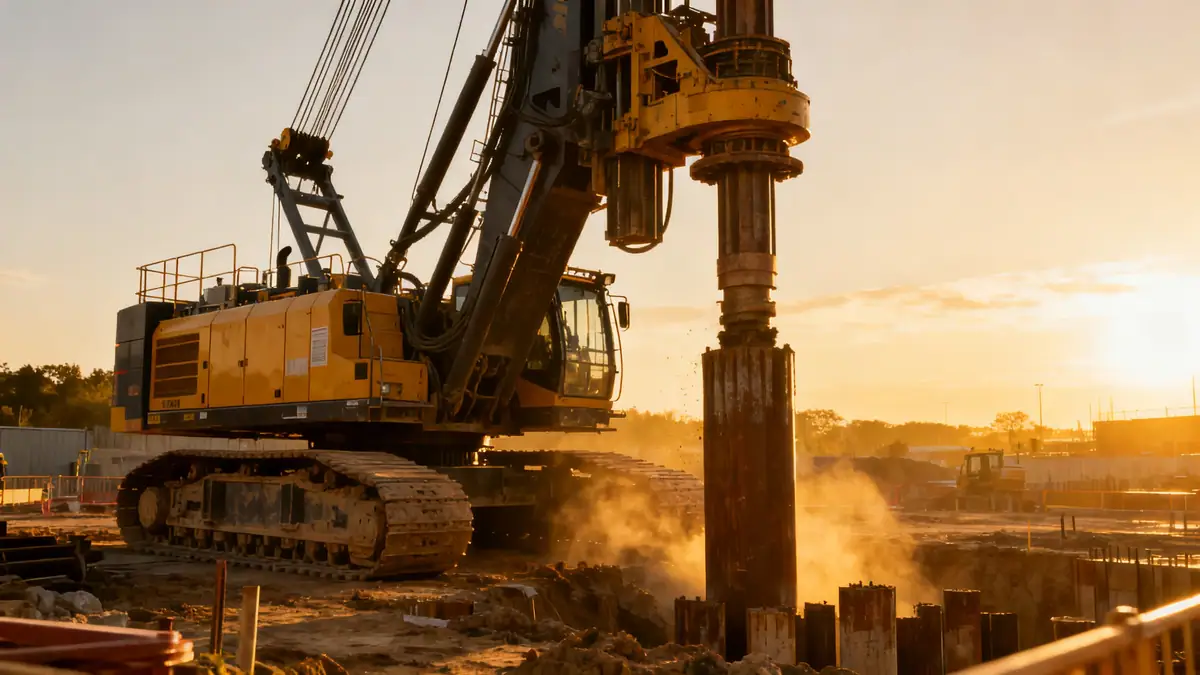
Our approach to geotechnical engineering in Charlotte integrates site-specific investigations with regional geological understanding. We employ standard penetration testing (SPT) per ASTM D1586, with typical boring depths of 8 to 15 meters for residential projects and up to 30 meters for commercial structures. Laboratory testing on recovered samples includes classification, strength, and consolidation tests. This data informs foundation recommendations, slope stability analyses, and earthwork specifications. Our team has extensive experience across Charlotte’s varied soil conditions, from dense sands to expansive clays.
Reference Technical Parameters
| Parameter | Reference Value |
|---|---|
| Predominant Soil Type | Saprolite and residual micaceous sands |
| Maximum Seismic Acceleration (PGA) | 0.2g (ASCE 7-16 Site Class C/D) |
| Typical Groundwater Level | >10 m below grade (varies locally) |
| Bedrock Depth | 10-30 m (gneiss and schist) |
| Typical N60 Range | 10-30 blows/ft (residual soils) |
Local Considerations — Charlotte
Charlotte’s Piedmont geology presents unique challenges. Residual soils are often collapsible or expansive, requiring careful moisture control during earthworks. The deep water table generally simplifies excavations, but perched water can occur after heavy rains. Seismic design per ASCE 7-16 mandates Site Class C or D, influencing foundation systems. In older urban areas like Uptown, fill and undocumented debris necessitate thorough subsurface exploration. For complex projects, our geotechnical engineering in Atlanta team provides additional support. We also leverage our soil mechanics laboratory for site-specific testing.
Request a Quote
Our team reviews your project and issues an initial report at no cost.
Or write us directly at [email protected]
Services in Charlotte
Applicable Standards
- ASTM D1586 (Standard Penetration Test)
- ASCE 7-16 (Minimum Design Loads for Buildings)
- IBC 2018 (International Building Code)
- NCDOT Geotechnical Manual
Frequently Asked Questions
What are the typical soil types encountered in Charlotte?
Charlotte is underlain by Piedmont residual soils, primarily saprolite and micaceous sands derived from crystalline bedrock. These soils can be dense but are often collapsible or expansive, requiring careful evaluation for foundation design.
What seismic design considerations apply in Charlotte?
Charlotte lies in Seismic Design Category C per ASCE 7-16, with a PGA of 0.2g. Site Class C or D is typical, affecting foundation and structural design. Geotechnical reports must address liquefaction potential and soil amplification.
Are geotechnical studies mandatory for construction in Charlotte?
While not always legally required, most local building departments and lending institutions recommend or require geotechnical investigations for new construction, especially for commercial or multi-story projects, to ensure safety and compliance with IBC codes.