Methodology
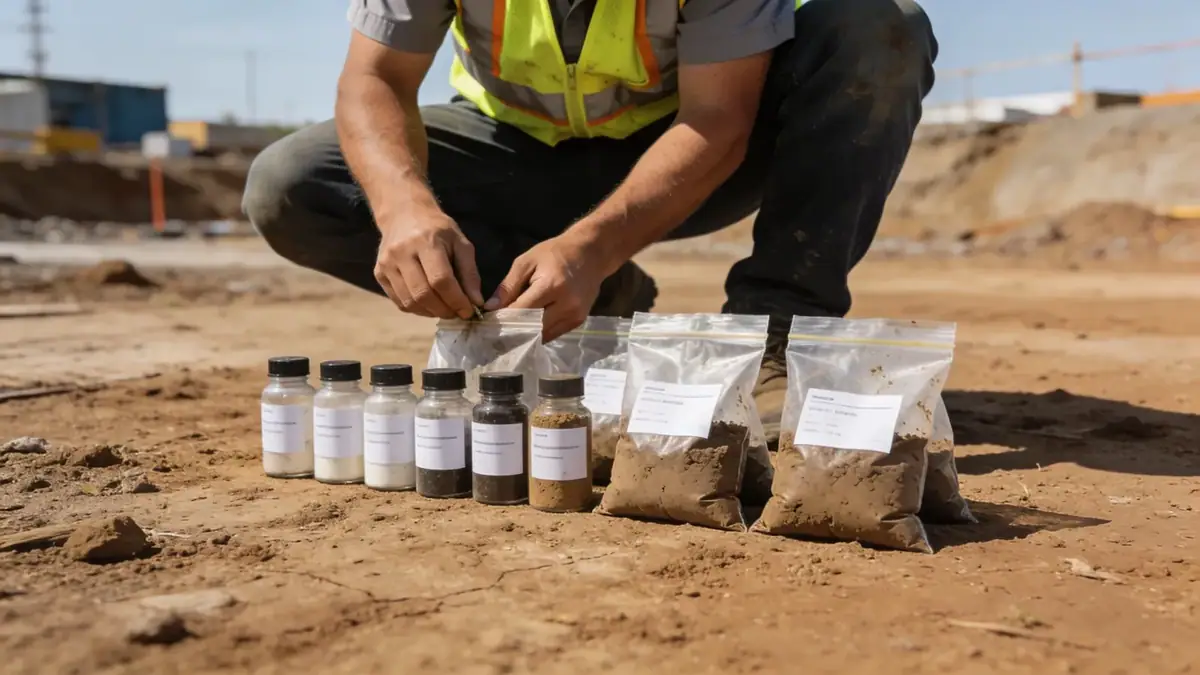
Our approach to geotechnical engineering in Columbia South Carolina integrates field exploration, laboratory testing, and analytical modeling. We begin with a thorough review of existing geological maps and records, followed by subsurface exploration using methods such as spt boring to obtain soil samples and measure penetration resistance. Laboratory tests, including grain size analysis and Atterberg limits per ASTM D6913 and D4318, characterize soil behavior. These data inform our engineering evaluations for foundations, slopes, and earth retaining structures, all within the framework of local seismic criteria.
Reference Technical Parameters
| Parameter | Reference Value |
|---|---|
| Predominant soil type | Sandy and clayey soils, with localized marl and limestone |
| Maximum seismic acceleration (PGA) | 0.15–0.20 g (per ASCE 7-16, Site Class C/D) |
| Typical groundwater level | 5–15 feet below ground surface |
| Bedrock depth | Varies from 30 to 100+ feet (coastal plain sediments) |
| Typical N60 range | 5–30 blows/ft (sands), 10–40 blows/ft (clays) |
Local Considerations — Columbia South Carolina
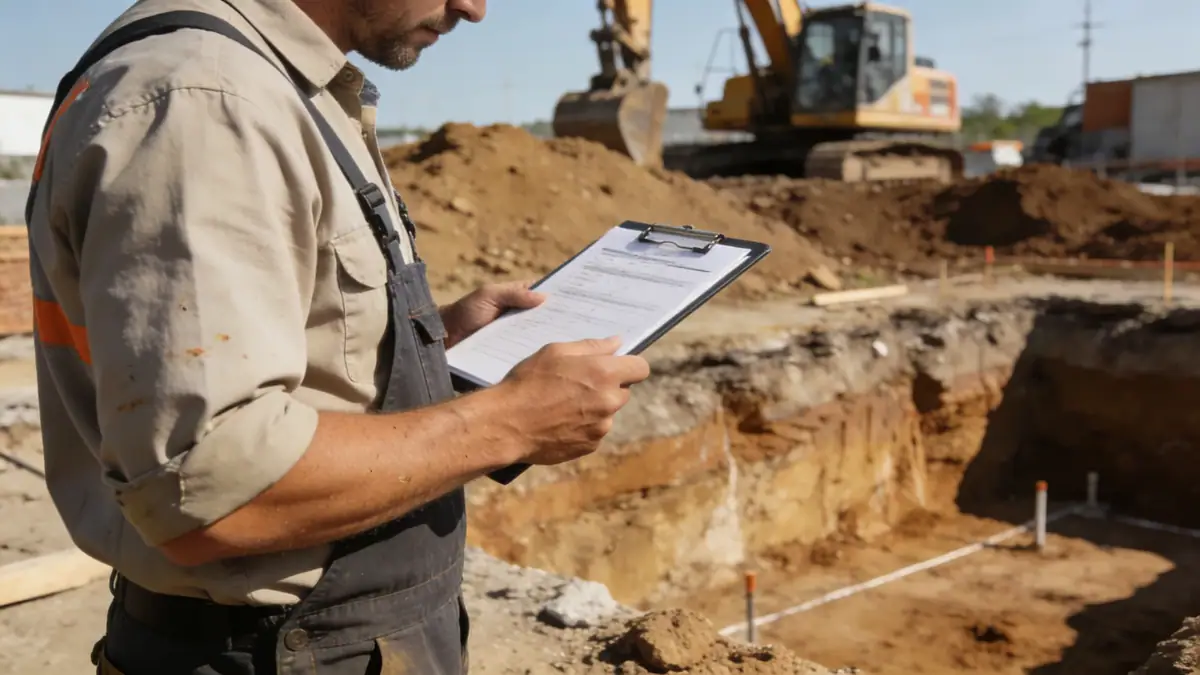
Columbia sits at the Fall Line, where the Piedmont meets the Coastal Plain, creating a complex geology of residual soils over weathered bedrock and unconsolidated sediments. This transition demands careful characterization of soil variability across neighborhoods—from the downtown area to suburban developments. Seismic considerations follow ASCE 7, with peak ground accelerations up to 0.20 g and potential liquefaction in loose sands. Our team routinely addresses these challenges through site-specific investigations, including slope stability analyses for cut/fill projects. For clients seeking comprehensive services, we also collaborate with our geotechnical engineering en Atlanta hub to leverage regional expertise.
Request a Quote
Our team reviews your project and issues an initial report at no cost.
Or write us directly at [email protected]
Services in Columbia South Carolina
Applicable Standards
- ASTM D1586 (Standard Penetration Test)
- ASCE 7-16 (Minimum Design Loads and Associated Criteria for Buildings)
- IBC 2021 (International Building Code)
- SCDHEC (South Carolina Department of Health and Environmental Control) regulations
- ASTM D2487 (Classification of Soils for Engineering Purposes)
Frequently Asked Questions
What soil types are most common in Columbia South Carolina?
Columbia’s location at the Fall Line results in a mix of Piedmont residual soils (sandy clays, silty sands) and Coastal Plain sediments (loose sands, soft clays). These soils can be highly variable over short distances, requiring careful subsurface exploration for each project.
Are seismic design requirements applicable in Columbia South Carolina?
Yes. Per ASCE 7-16, Columbia falls within a moderate seismic zone with PGA values around 0.15–0.20 g. Site-specific response spectra and liquefaction assessments are often required for critical structures, especially in areas with loose, saturated sands.
Is a geotechnical investigation mandatory for construction in Columbia?
While state law does not universally require geotechnical studies, most local building departments in Richland and Lexington counties expect a geotechnical report for commercial and multi-family projects. It is strongly recommended for any structure to ensure safe and cost-effective design.