Methodology
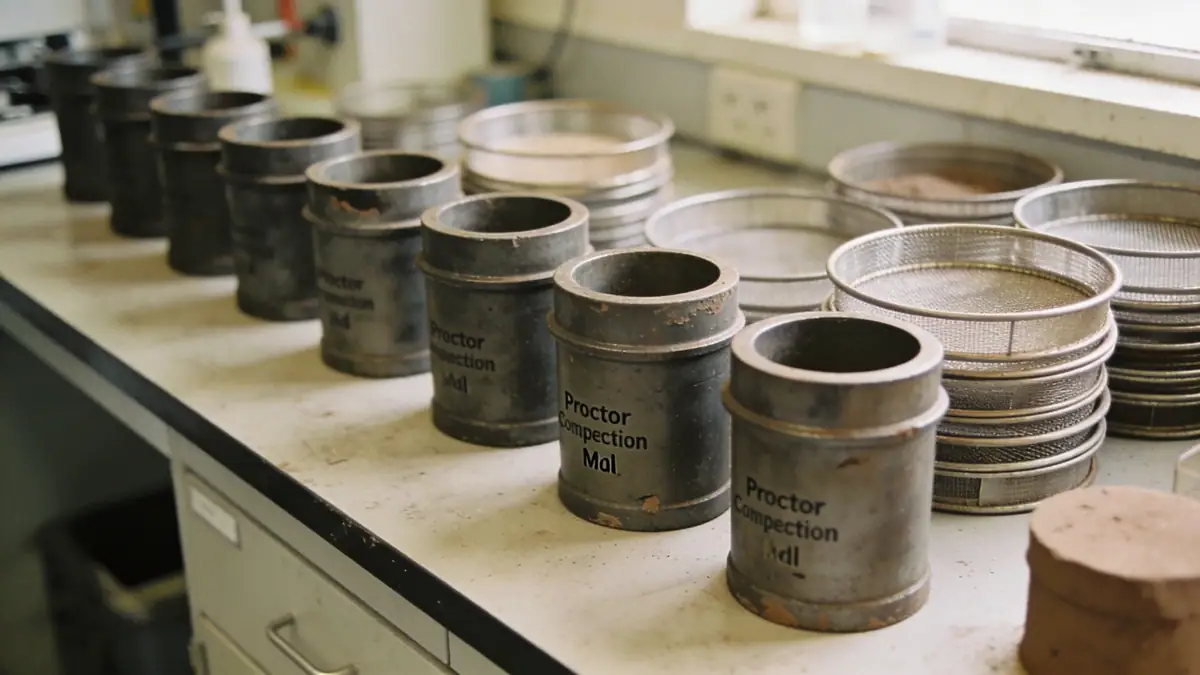
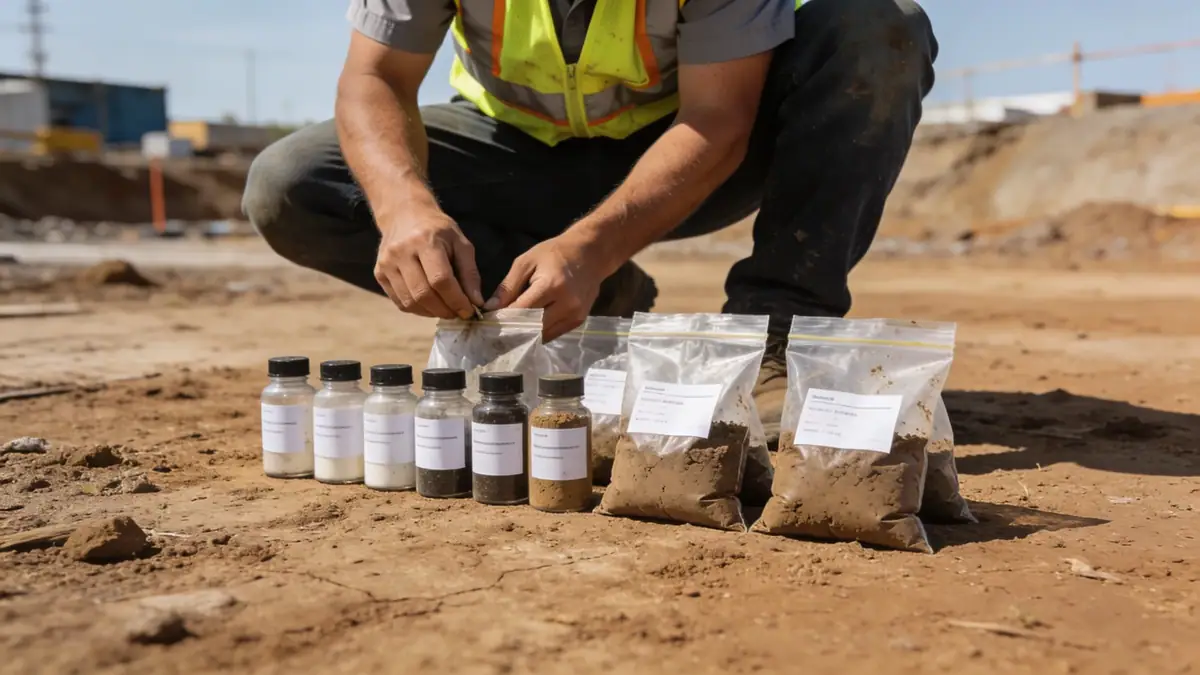
Our firm employs a systematic approach to geotechnical engineering in Columbus Georgia, integrating field exploration and laboratory testing to characterize subsurface conditions. Field programs typically include spt boring conducted in accordance with ASTM D1586, with sample intervals of 1.0 to 1.5 meters and depths reaching 15 to 30 meters depending on project demands. In the soil mechanics laboratory, index and strength tests are performed to classify soils and derive design parameters. This dual methodology ensures robust data for foundation and earthwork design.
Reference Technical Parameters
| Parameter | Reference Value |
|---|---|
| Predominant soil type | Sandy clay to clayey sand (SM, SC, CL) |
| Peak ground acceleration (PGA) | 0.15g (ASCE 7-16) |
| Typical groundwater depth | 2–6 m below grade |
| Bedrock depth | 10–30 m (Tuscaloosa Formation) |
| Typical N60 range (SPT) | 5–25 blows/ft in upper soils |
Local Considerations — Columbus Georgia
Columbus Georgia's subsurface is dominated by the Tuscaloosa Formation, comprising interbedded sands, silts, and clays. Groundwater is often encountered at shallow depths, requiring dewatering or drainage measures for excavations. Seismic design per ASCE 7-16 accounts for Site Class D (stiff soil) in many areas. Contrasting soil conditions exist between the downtown river terraces and upland residential zones, where collapsible sands or expansive clays may be present. Our team routinely addresses these factors, and for regional context, we coordinate with our geotechnical engineering en Atlanta office to leverage broader expertise.
Request a Quote
Our team reviews your project and issues an initial report at no cost.
Or write us directly at [email protected]
Services in Columbus Georgia
Applicable Standards
- ASTM D1586 (Standard Penetration Test)
- ASCE 7-16 (Minimum Design Loads and Associated Criteria for Buildings and Other Structures)
- IBC 2021 (International Building Code)
- ASTM D2487 (Classification of Soils for Engineering Purposes)
Frequently Asked Questions
What are the typical soil conditions for foundation design in Columbus Georgia?
Soils in Columbus Georgia generally consist of sandy clays and clayey sands of the Tuscaloosa Formation. Standard Penetration Test N60 values range from 5 to 25 blows per foot in the upper layers, with groundwater at 2–6 m depth. These conditions influence foundation type and depth.
What seismic design provisions apply in Columbus Georgia?
Columbus Georgia falls under Seismic Design Category C per ASCE 7-16, with a mapped peak ground acceleration of 0.15g. Site class D (stiff soil) is common. Geotechnical investigations must evaluate liquefaction potential and provide appropriate design parameters.
Are geotechnical studies mandatory for construction in Columbus Georgia?
While not always legally required for all projects, geotechnical studies are strongly recommended by local building officials and are typically mandated for commercial structures, multi-story buildings, and subdivisions under the IBC. Lenders and insurers may also require them.