
Methodology
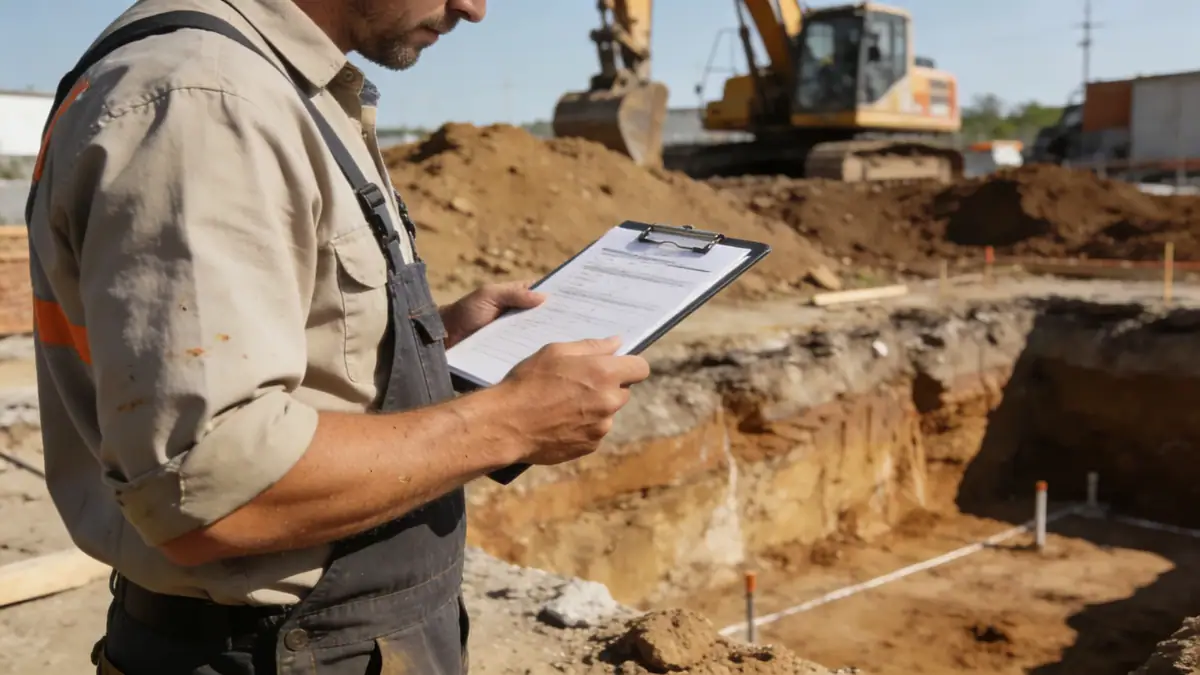
Our approach to geotechnical engineering in Durham begins with a thorough review of existing geological maps and subsurface data. We employ standardized field investigation techniques, including spt boring to obtain soil samples and measure resistance via standard penetration tests (ASTM D1586). Laboratory testing follows on representative samples to determine index properties, strength, and consolidation characteristics. For slope stability and retaining wall design, we analyze groundwater conditions and seismic loads per ASCE 7. Our methodology integrates local soil variability—typical of the Piedmont—and accounts for the presence of saprolite, weathered rock, and occasional deep residual soils. All investigations are tailored to the specific project requirements and regulatory context of Durham.
Reference Technical Parameters
| Parameter | Reference Value |
|---|---|
| Predominant soil type | Residual silty sands and clays (saprolite) over weathered bedrock |
| Maximum seismic acceleration (PGA) | 0.10g to 0.15g (ASCE 7, Site Class C/D) |
| Typical groundwater level | 3–8 meters below surface, varies seasonally |
| Bedrock depth | 5–20 meters, typically metavolcanic or granitic gneiss |
| Typical N60 range | 10–30 blows/ft in residual soils; 30–60 in saprolite |
Local Considerations — Durham
Durham's geology is dominated by the Piedmont physiographic province, underlain by metamorphic and igneous bedrock. Residual soils are common, with thickness varying from 2 to 15 meters depending on topography and weathering. Groundwater levels fluctuate seasonally, often perched above less permeable saprolite. Seismic design follows ASCE 7 with mapped PGA values of 0.10g–0.15g for Site Class C/D. Local regulations require geotechnical reports for most commercial structures. Typical projects include shallow foundations on spread footings, but deep foundations may be necessary where bedrock is shallow or soils are loose. Our team coordinates with local officials and references regional case histories, including those from our soil mechanics laboratory for site-specific data. For broader context, our geotechnical engineering en Philadelphia hub addresses similar Piedmont conditions in a major urban setting.
Request a Quote
Our team reviews your project and issues an initial report at no cost.
Or write us directly at [email protected]
Services in Durham
Applicable Standards
- ASTM D1586 (Standard Penetration Test)
- ASCE 7 (Minimum Design Loads for Buildings)
- North Carolina Building Code (IBC-based)
- ASTM D2487 (Unified Soil Classification System)
Frequently Asked Questions
What are the typical soil conditions in Durham for foundation design?
Durham's soils are predominantly residual silty sands and clays (saprolite) over weathered bedrock. Bearing capacities range from 2,000–4,000 psf for shallow footings, but site-specific testing is recommended due to variability in weathering and groundwater.
Is a geotechnical study required for residential construction in Durham?
While not always mandatory for single-family homes, most municipalities in Durham County require a geotechnical report for subdivisions and multi-story residential buildings. It is advisable to consult local building officials to confirm requirements based on project scope.
How does seismic activity affect geotechnical engineering in Durham?
Durham lies in a moderate seismic zone with PGA values of 0.10g–0.15g per ASCE 7. Soil amplification can occur in deeper residual soils, so site-specific response analysis is recommended for critical structures to ensure compliance with code provisions.