
Methodology
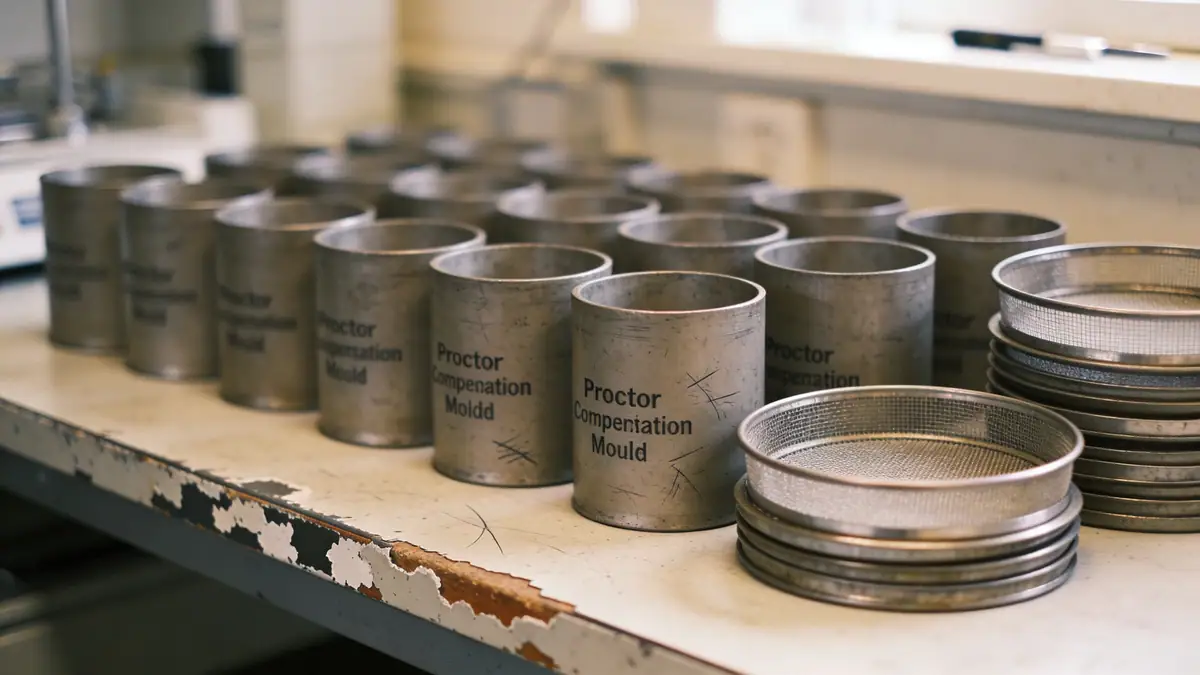
Our approach to geotechnical engineering in Hampton Virginia integrates standardized field and laboratory procedures to characterize subsurface conditions. We conduct spt boring in accordance with ASTM D1586, performing standard penetration tests at 1.5-meter intervals to obtain N-values and soil samples. These samples are analyzed in our soil mechanics laboratory for classification, strength, and compressibility. For coastal sites, we supplement with cone penetration tests (CPT) to capture continuous stratigraphic profiles. Our methodology emphasizes quality control and data redundancy, ensuring that every recommendation is supported by robust empirical evidence.
Reference Technical Parameters
| Parameter | Reference Value |
|---|---|
| Predominant soil type | Silty sand (SM) and sandy silt (ML) with organic layers |
| Maximum seismic acceleration (PGA) | 0.15g (ASCE 7-16, Site Class D) |
| Typical groundwater level | 1.5–3.0 m below ground surface |
| Bedrock depth | >30 m (deep saprolite) |
| Typical N60 range | 5–15 blows/0.3 m (loose to medium dense) |
Local Considerations — Hampton Virginia
Hampton's geology is dominated by Quaternary alluvial and estuarine deposits of the Coastal Plain Province. The region's high water table—often within 2 meters of the surface—necessitates careful dewatering and foundation design. Seismic hazard, though moderate (PGA 0.15g per ASCE 7-16), requires attention due to potential liquefaction of loose sands. Historic fill and organic layers are common in older districts like Phoebus, while newer developments near Langley Air Force Base encounter dense marine clays. Our team has extensive experience with these conditions, providing slope stability analyses for waterfront bluffs and retaining wall design for cut-and-fill projects. We also coordinate with local authorities to meet Hampton's specific building code requirements.
Request a Quote
Our team reviews your project and issues an initial report at no cost.
Or write us directly at [email protected]
Services in Hampton Virginia
Applicable Standards
- ASTM D1586 (Standard Penetration Test)
- ASCE 7-16 (Minimum Design Loads for Buildings and Other Structures)
- International Building Code (IBC) 2018
- Virginia Uniform Statewide Building Code (USBC)
- ASTM D2487 (Unified Soil Classification System)
Frequently Asked Questions
What are the typical soil conditions in Hampton, Virginia?
Soils in Hampton consist primarily of silty sands and sandy silts of low to medium density, with organic layers and soft clays near the coast. Groundwater is typically shallow, between 1.5 and 3 meters. These conditions require careful evaluation for bearing capacity and settlement.
Is a geotechnical study mandatory for construction in Hampton?
While not always mandatory for small residential projects, the Virginia USBC and IBC require a geotechnical investigation for most commercial and multi-family structures. Our firm can determine the appropriate scope based on project size and local regulations.
Does Hampton have seismic design requirements?
Yes, Hampton is in Seismic Design Category B per ASCE 7-16, with a maximum PGA of 0.15g. While not high, seismic loads must be considered for structures with risk categories III or IV, and liquefaction potential should be evaluated for loose saturated sands.