Methodology
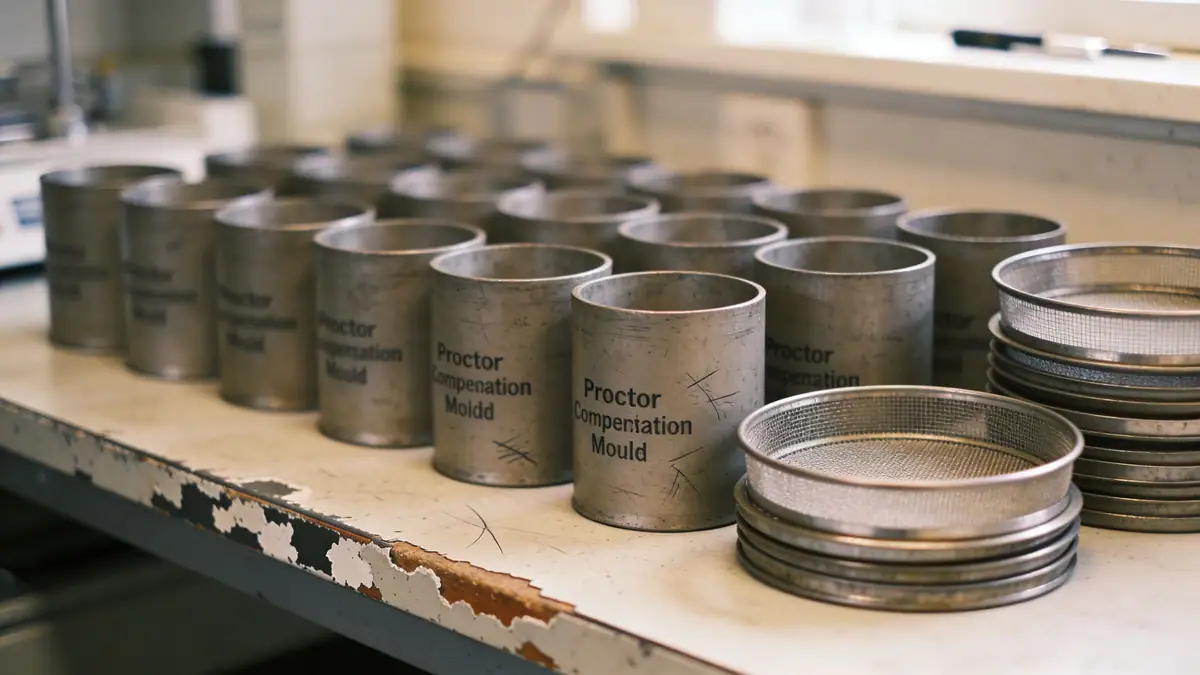
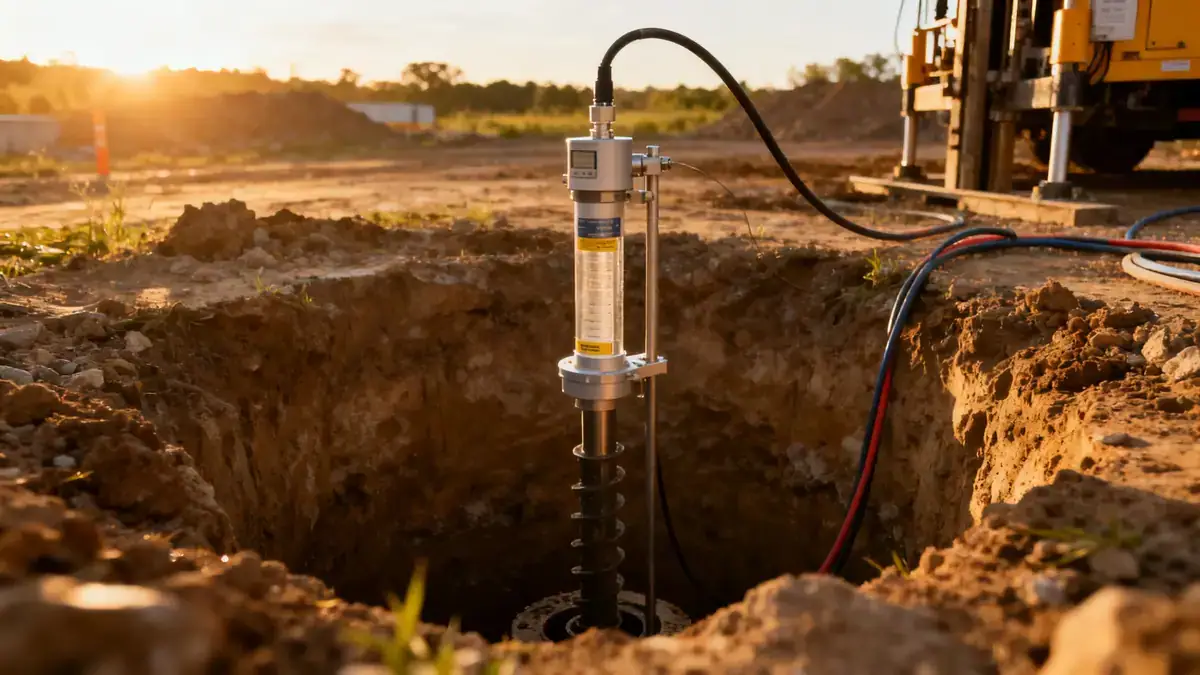
Our methodology for geotechnical engineering in Huntsville begins with a comprehensive review of existing geological maps and site history. We then conduct field investigations, such as spt boring, to characterize soil strata and bedrock depth. Standard Penetration Tests (SPT) per ASTM D1586 are performed at regular intervals to assess soil density and consistency. Groundwater levels are monitored during drilling and through standpipe piezometers. Laboratory testing on representative samples follows, including index properties, strength, and consolidation. All data are synthesized into a geotechnical report that addresses bearing capacity, settlement, seismic site class, and excavation conditions. This systematic approach ensures our recommendations are both technically sound and practical for Huntsville's conditions.
Reference Technical Parameters
| Parameter | Reference Value |
|---|---|
| Predominant soil type | Residual silty clay and sandy clay over weathered limestone |
| Maximum seismic acceleration (PGA) | 0.2g to 0.3g (ASCE 7-16) |
| Typical groundwater level | 3 to 8 m below ground surface |
| Bedrock depth | 5 to 15 m in valley areas; up to 30 m on plateau |
| Typical N60 range | 10 to 30 blows/300 mm in clay; 30 to 60 in sand |
Local Considerations — Huntsville
Huntsville's geology is dominated by the karst topography of the Tennessee Valley, where solution features in limestone can create unpredictable voids and cavities. Foundation design must account for these hazards, often requiring deeper investigations or ground improvement. The city's seismic hazard, per ASCE 7, places most areas in Seismic Design Category C or D, with site class typically C or D due to soil stiffness. Older neighborhoods near downtown may have variable fill and undocumented utilities, while new developments on the plateau encounter shallow bedrock. Common challenges include differential settlement in residual soils and groundwater control during excavation. For broader regional context, our geotechnical engineering in Atlanta experience informs our understanding of similar Piedmont and valley conditions. For detailed slope assessments, we recommend our slope stability service.
Request a Quote
Our team reviews your project and issues an initial report at no cost.
Or write us directly at [email protected]
Services in Huntsville
Applicable Standards
- ASTM D1586
- ASCE 7-16
- IBC 2021
- AASHTO (for transportation projects)
Frequently Asked Questions
What are the typical soil conditions in Huntsville for foundation design?
Huntsville soils are primarily residual silty clays and sandy clays derived from limestone weathering. These soils often have moderate strength but can be compressible. Shallow bedrock is common in plateau areas, while valley sites may have deeper soil profiles with potential karst features.
What seismic design considerations apply in Huntsville?
Huntsville is in a moderate seismic zone with PGA values of 0.2g to 0.3g per ASCE 7. Soils typically classify as Site Class C or D, which can amplify ground motions. Geotechnical reports must provide site-specific seismic coefficients and liquefaction potential assessments for critical structures.
Are geotechnical studies required for residential construction in Huntsville?
While not always mandated by code for single-family homes, many local jurisdictions and lenders now require a geotechnical report for new subdivisions and larger residences, especially where karst or slope hazards are present. Our firm provides cost-effective investigations to mitigate risk.