Methodology
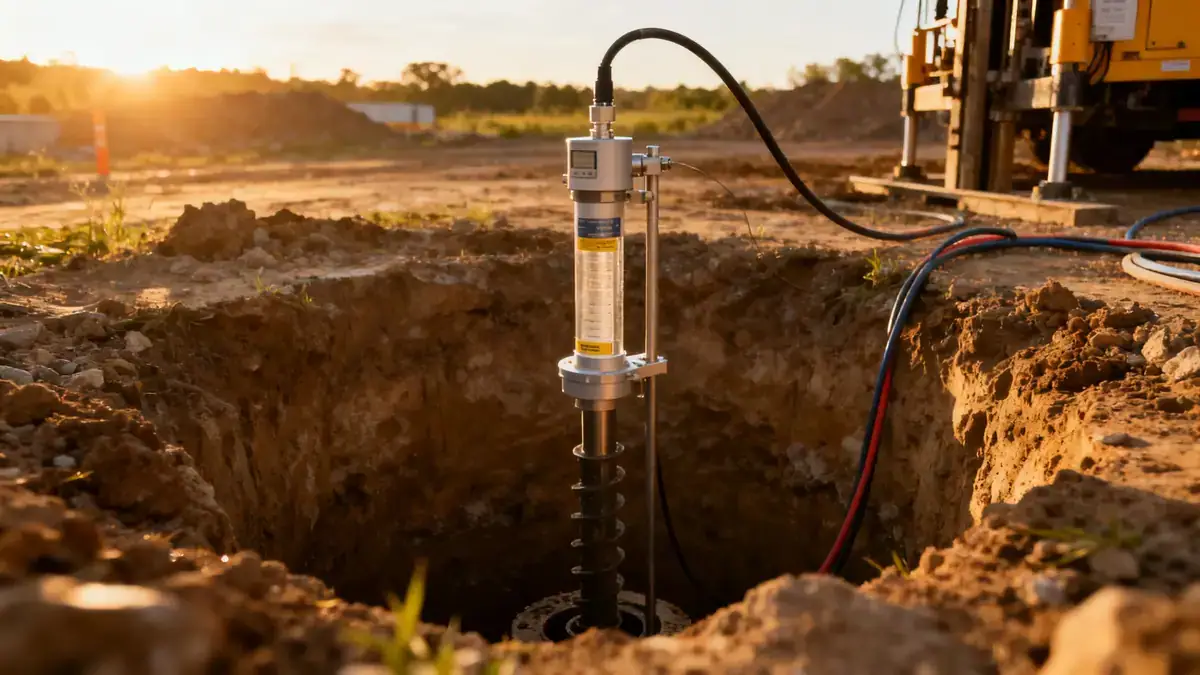
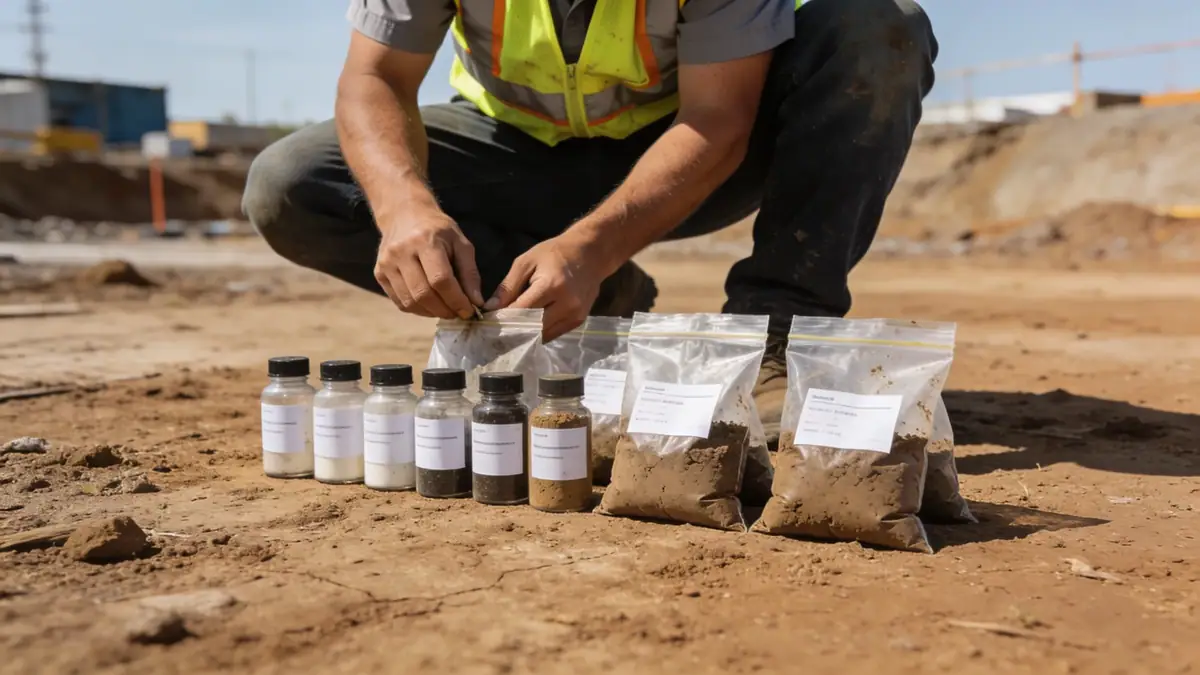
Our approach to geotechnical engineering in Jacksonville begins with a comprehensive site reconnaissance and review of existing subsurface data. We employ a phased investigation strategy, starting with spt boring to characterize soil profiles and obtain samples for laboratory testing. Standard Penetration Tests are conducted in accordance with ASTM D1586, with blow counts recorded at 1.5-meter intervals. Where necessary, we supplement with cone penetration testing for continuous stratigraphic logging. Laboratory analyses include natural moisture content, Atterberg limits, and unconfined compression tests on cohesive soils. All data are integrated into a geotechnical model that considers local groundwater fluctuations and seismic site classification per ASCE 7.
Reference Technical Parameters
| Parameter | Reference Value |
|---|---|
| Predominant soil type | Sand, silty sand, with occasional clay lenses |
| Maximum seismic acceleration (PGA) | 0.14g (ASCE 7, Site Class D) |
| Typical groundwater level | 1.5 to 4.5 meters below surface |
| Bedrock depth | Variable, typically 15 to 30 meters (limestone) |
| Typical N60 range | 4 to 30 blows/0.3m (loose to dense sand) |
Local Considerations — Jacksonville
Jacksonville's geology is dominated by Quaternary sands and clays of the Coastal Plain, underlain by the Hawthorne Formation and Ocala Limestone. The water table is shallow, often within 2 meters, requiring dewatering considerations for excavations. Seismic hazard is moderate, with a PGA of 0.14g (ASCE 7-16), but liquefaction potential exists in loose saturated sands. Foundation design must account for variable bearing capacities, with shallow foundations suitable for dense sands and deep foundations needed where soft clays or organic soils are present. Our team has extensive experience with these conditions, and we coordinate closely with our hub for geotechnical engineering in Atlanta to leverage regional expertise.
Request a Quote
Our team reviews your project and issues an initial report at no cost.
Or write us directly at [email protected]
Services in Jacksonville
Applicable Standards
- ASTM D1586 (Standard Penetration Test)
- ASCE 7 (Minimum Design Loads and Associated Criteria for Buildings and Other Structures)
- International Building Code (IBC) 2021
- Florida Building Code (FBC) 2023
- ASTM D2487 (Classification of Soils for Engineering Purposes)
Frequently Asked Questions
What are the typical soil conditions encountered in Jacksonville?
Jacksonville's subsurface predominantly consists of loose to medium dense sands, often with silt and clay layers. The water table is typically shallow, between 1.5 and 4.5 meters. Organic soils and soft clays may be present near the St. Johns River. These conditions require careful evaluation for foundation design and liquefaction potential.
Is seismic design required for projects in Jacksonville?
Yes, per the Florida Building Code and ASCE 7, seismic design is required. Jacksonville falls into Seismic Design Category B, with a mapped PGA of 0.14g. Site-specific response analysis may be necessary for critical structures or sites with soft soils to account for amplification effects.
Are geotechnical investigations mandatory for construction in Jacksonville?
While not always legally mandated for all projects, geotechnical investigations are strongly recommended and typically required by lenders and structural engineers for commercial and multi-family developments. The Florida Building Code requires a geotechnical report for buildings with seismic or foundation design considerations. Our firm provides thorough investigations to mitigate risk.