Methodology

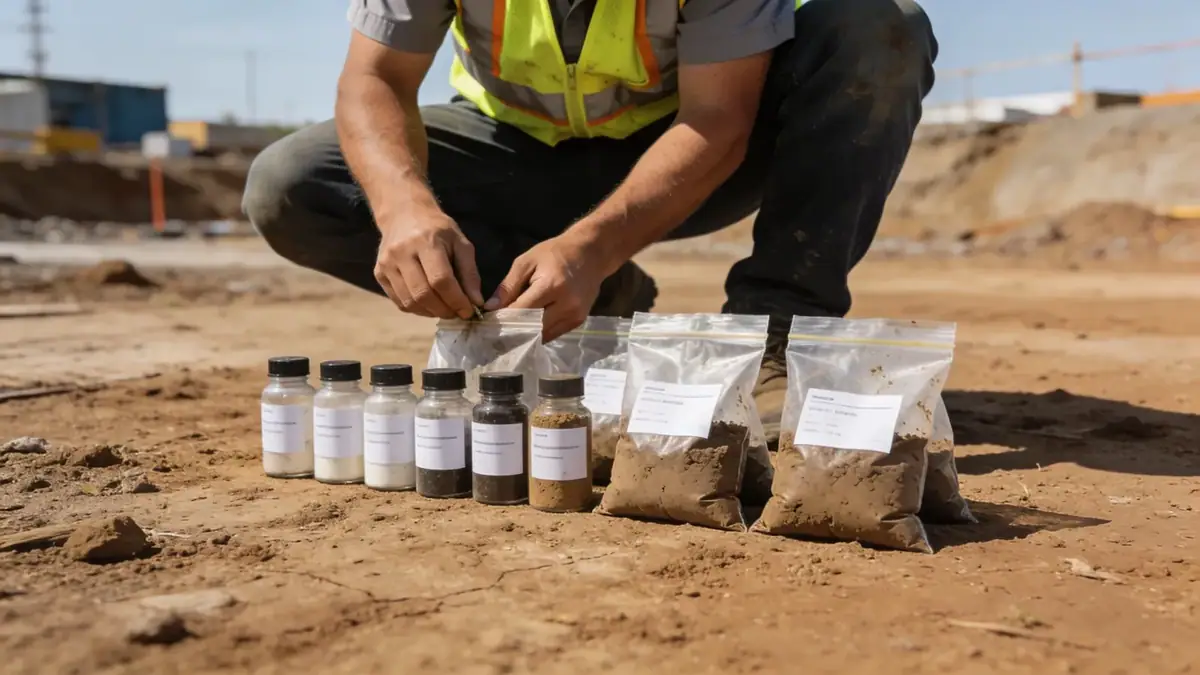
Our methodology in Jersey City begins with a thorough review of existing geological maps and historical borings. We then deploy spt boring to obtain soil samples at regular intervals, typically every 1.5 meters per ASTM D1586. Field data is correlated with laboratory tests to determine shear strength, compressibility, and groundwater conditions. This integrated approach allows us to develop reliable geotechnical models for foundation design, slope stability, and earth retention. Each project follows a phased workflow: reconnaissance, field investigation, analysis, and reporting.
Reference Technical Parameters
| Parameter | Reference Value |
|---|---|
| Predominant soil type | Glacial till, sand, and clay (Hackensack Formation) |
| Maximum seismic acceleration (PGA) | 0.25g (ASCE 7-16) |
| Typical groundwater level | 2-4 m below grade |
| Bedrock depth | 10-30 m (Newark Basin sedimentary rock) |
| Typical N60 range | 5-30 blows/ft (variable per strata) |
Local Considerations — Jersey City
Jersey City's geology is dominated by glacial till and the Hackensack Formation, with soft clays and sands underlain by sedimentary bedrock. Groundwater is shallow, often within 2-4 meters, requiring dewatering considerations. Seismic design follows ASCE 7 with a PGA of 0.25g, as the area is near the Ramapo Fault. The contrast between older industrial districts (e.g., Jersey City Heights) and newer waterfront developments (e.g., Newport) demands varied approaches: shallow foundations in denser soils versus deep piles in fill zones. Typical projects include high-rise residential towers and infrastructure upgrades. For broader context, our team also provides geotechnical engineering en New York services, addressing similar coastal and seismic challenges. Additionally, we offer slope stability analysis for sites with significant grade changes.
Request a Quote
Our team reviews your project and issues an initial report at no cost.
Or write us directly at [email protected]
Services in Jersey City
Applicable Standards
- ASTM D1586 (Standard Penetration Test)
- ASCE 7-16 (Minimum Design Loads for Buildings)
- New Jersey Building Code (based on IBC)
- ASTM D2487 (Unified Soil Classification System)
Frequently Asked Questions
What soil types are commonly found in Jersey City?
Jersey City's subsurface typically consists of glacial till, sands, and clays from the Hackensack Formation, overlying sedimentary bedrock of the Newark Basin. Fill materials are also common in reclaimed waterfront areas.
How does seismic design affect geotechnical work in Jersey City?
Jersey City is in a moderate seismic zone per ASCE 7, with a PGA of 0.25g. Geotechnical reports must address liquefaction potential and dynamic soil properties, especially for high-rise projects.
Are geotechnical studies mandatory for construction in Jersey City?
Yes, the New Jersey Building Code requires a geotechnical investigation for most new structures. This ensures foundation safety, compliance with seismic provisions, and proper handling of groundwater conditions.