Methodology
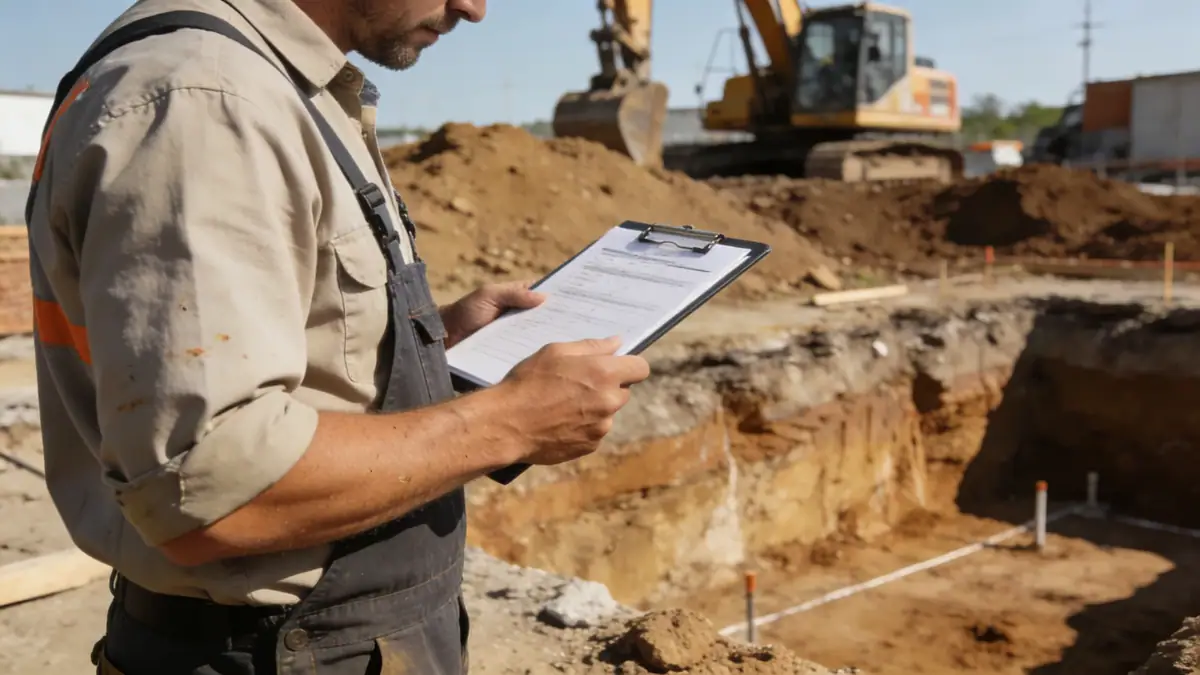
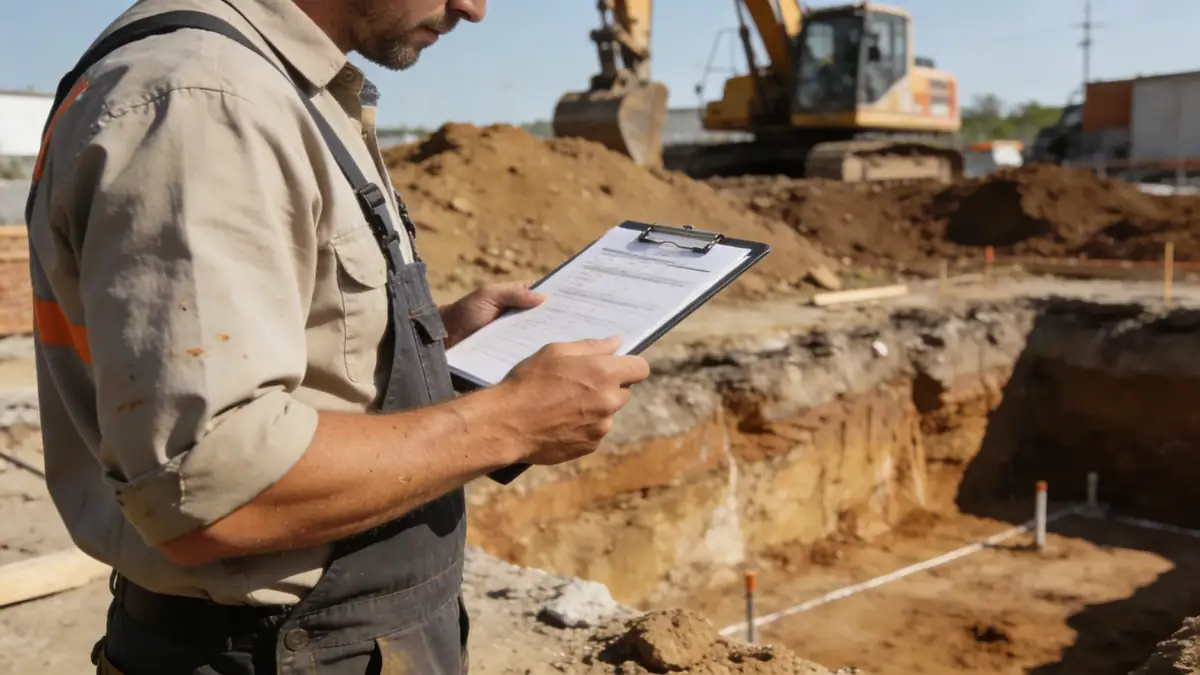
Our methodology for geotechnical engineering in Lexington integrates field and laboratory investigations tailored to the region's geology. We begin with a thorough review of existing geologic maps and records, followed by a site reconnaissance to identify surface features. Subsurface exploration typically involves spt boring at intervals recommended by ASTM D1586, with sampling depths adjusted based on the project's scale and local bedrock depth. Soil classifications and strength parameters are determined via our soil mechanics laboratory, using standard tests like Atterberg limits and direct shear. This systematic approach ensures reliable recommendations for foundations, earthworks, and seismic design.
Reference Technical Parameters
| Parameter | Reference Value |
|---|---|
| Predominant soil type | Residual silt and clay over limestone bedrock |
| Maximum seismic acceleration (PGA) | 0.15g for 2% in 50 years (ASCE 7-16) |
| Typical groundwater level | 5–15 ft below ground surface, seasonally variable |
| Bedrock depth | 10–30 ft, with pinnacles common in karst areas |
| Typical N60 range (SPT) | 10–30 blows/ft in residual soils; >50 in weathered rock |
Local Considerations — Lexington
Lexington's geology is dominated by the Lexington Limestone formation, characterized by karst features such as sinkholes and solution cavities. This requires careful site-specific investigations to avoid foundation instability. The region's seismic hazard is moderate, with a PGA of 0.15g per ASCE 7-16, necessitating proper soil-structure interaction analyses. Groundwater levels fluctuate seasonally, impacting excavation dewatering and foundation design. Our team integrates these factors into our geotechnical engineering in Lexington, often recommending slope stability assessments for developments near the Kentucky River palisades. For clients with regional operations, we coordinate with our geotechnical engineering en Atlanta hub to ensure consistency across projects.
Request a Quote
Our team reviews your project and issues an initial report at no cost.
Or write us directly at [email protected]
Services in Lexington
Applicable Standards
- ASTM D1586 (Standard Test Method for Standard Penetration Test)
- ASCE 7-16 (Minimum Design Loads and Associated Criteria for Buildings)
- Kentucky Building Code (IBC-based with local amendments)
- ASTM D2487 (Classification of Soils for Engineering Purposes)
Frequently Asked Questions
What are the typical soil conditions encountered in Lexington?
Lexington's soils are primarily residual silts and clays derived from weathering of limestone bedrock. These soils often exhibit moderate plasticity and shrink-swell potential. Karst features like sinkholes are common, requiring thorough subsurface exploration to identify voids and pinnacles.
Is seismic analysis required for projects in Lexington?
Yes, per the Kentucky Building Code and ASCE 7-16, seismic design is mandatory for most structures. Lexington falls within a moderate seismic zone, with a spectral response acceleration of 0.15g for short periods. Geotechnical reports must provide site class and liquefaction potential assessments.
Are geotechnical investigations mandatory for residential construction in Lexington?
While not always legally required for single-family homes, they are strongly recommended due to variable soil and karst conditions. Many local jurisdictions now require geotechnical reports for subdivisions and larger residential projects to ensure public safety and reduce liability.