Methodology
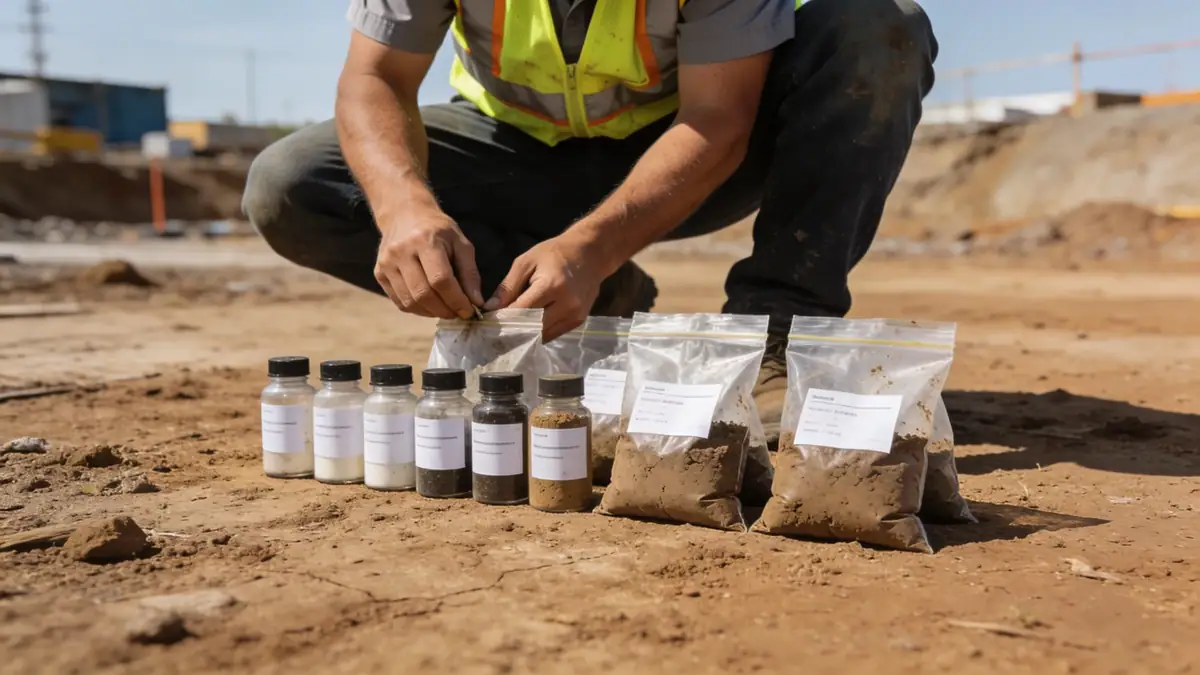
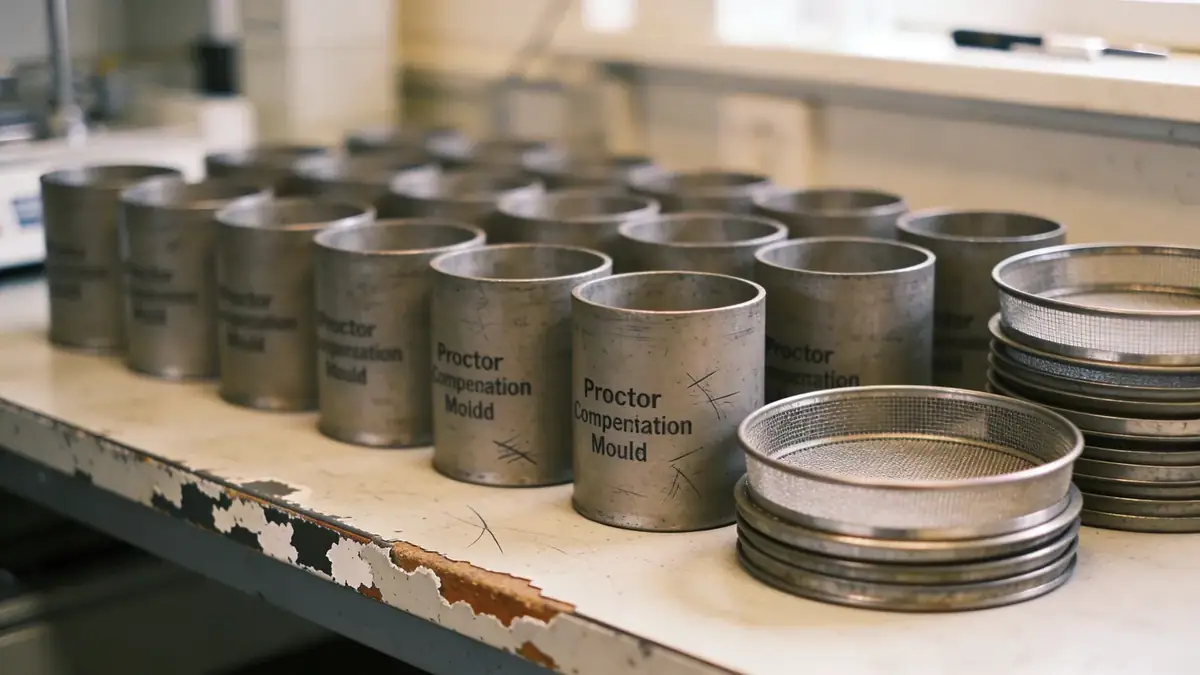
Our methodology in Manchester New Hampshire begins with a thorough review of existing geologic maps and nearby project records. We then conduct a site-specific field investigation using spt boring to characterize soil strata and groundwater conditions. In urban infill sites, we often combine SPT with cone penetration testing (CPT) for continuous profiling. Laboratory testing on recovered samples includes grain size distribution (ASTM D6913), Atterberg limits, and direct shear strength (ASTM D3080). Our team analyzes data to develop soil profiles and geotechnical parameters for foundation design. We also evaluate seismic site class per ASCE 7-16, considering the local seismicity and soil amplification potential. This systematic approach ensures that our recommendations are grounded in reliable data and applicable to Manchester's unique geologic setting.
Reference Technical Parameters
| Parameter | Reference Value |
|---|---|
| Predominant soil type | Glacial till and alluvial sands/silts |
| Maximum seismic acceleration (PGA) | 0.15g to 0.25g (ASCE 7-16) |
| Typical groundwater level | 3 to 8 feet below grade |
| Bedrock depth | 10 to 60 feet (variable) |
| Typical N60 range | 10 to 40 blows per foot |
Local Considerations — Manchester New Hampshire
Manchester's geology is dominated by glacial deposits overlying metamorphic bedrock. The Merrimack River valley contains alluvial silts and sands with high groundwater, requiring dewatering considerations for excavations. In contrast, upland areas feature dense glacial till and shallow bedrock, often necessitating rock excavation for deep foundations. Seismic site classification typically ranges from C to D, per ASCE 7-16, due to variable soil stiffness. Our team addresses these contrasts by tailoring investigation methods: soil mechanics laboratory testing for fine-grained soils, and SPT with rock coring for shallow bedrock zones. Local experience with brownfield redevelopment in the mill district further informs our approach to contaminated soils and underground obstructions. For projects requiring specialized analysis beyond Manchester, our firm also provides geotechnical engineering en New York, leveraging our broader regional expertise.
Request a Quote
Our team reviews your project and issues an initial report at no cost.
Or write us directly at [email protected]
Services in Manchester New Hampshire
Applicable Standards
- ASTM D1586
- ASCE 7-16
- International Building Code (IBC 2021)
- New Hampshire Building Code (Chapter 18: Soils and Foundations)
- ASTM D2487 (Unified Soil Classification System)
Frequently Asked Questions
What are the typical soil conditions encountered in Manchester New Hampshire?
Soils in Manchester vary from glacial till (silty sands with gravel) in upland areas to alluvial deposits (fine sands, silts, and occasional organic layers) along the Merrimack River. Groundwater is often shallow near the river, and bedrock depth can range from 10 to 60 feet depending on location.
Is a geotechnical study required for building permits in Manchester?
Yes, the New Hampshire Building Code (based on IBC) mandates a geotechnical investigation for most structures, especially those with deep foundations, heavy loads, or in seismic zones. The study must provide soil bearing capacity, settlement estimates, and seismic site classification to ensure safe design.
What seismic design considerations apply to Manchester New Hampshire?
Manchester falls within Seismic Design Category B per ASCE 7-16, with peak ground accelerations (PGA) of 0.15g to 0.25g. Site-specific soil amplification is evaluated through shear wave velocity measurements or SPT N-values to determine the site class (typically C or D), which affects the design response spectrum.