Methodology

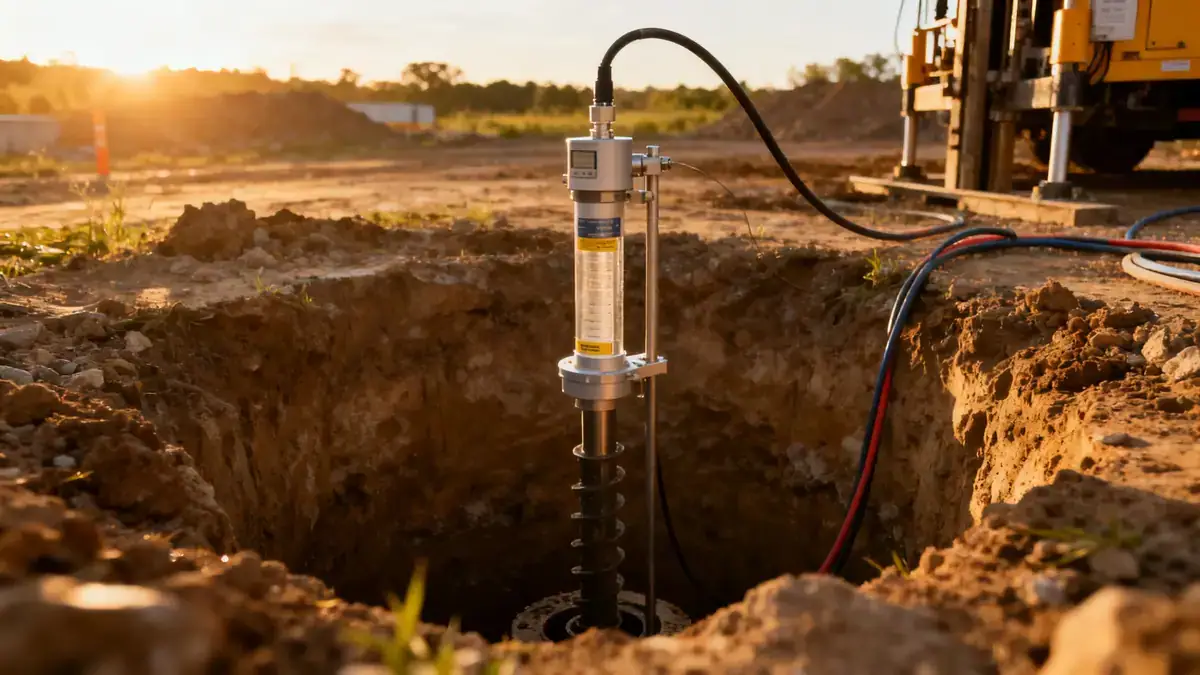
Our methodology for geotechnical engineering in Memphis begins with a comprehensive review of existing geological maps and historical data for the Memphis area. We then conduct field investigations tailored to the project scale, including standard penetration testing (SPT) and cone penetration testing (CPT) to characterize subsurface stratigraphy. For example, our spt boring program follows ASTM D1586, with sampling intervals typically every 1.5 m to capture variability in the alluvial soils. Laboratory testing on retrieved samples determines index properties, strength, and consolidation characteristics. All data are integrated into a site-specific geotechnical model, which informs foundation design, slope stability analyses, and seismic hazard assessments in accordance with local building codes.
Reference Technical Parameters
| Parameter | Reference Value |
|---|---|
| Predominant soil type | Alluvial clay, silt, sand, and gravel; loess on bluffs |
| Maximum seismic acceleration (PGA) | 0.2g to 0.3g (ASCE 7-16, Site Class D) |
| Typical groundwater level | 3 to 6 m below ground surface (varies with river stage) |
| Bedrock depth | Variable; typically >30 m in valley (Paleozoic limestone at depth) |
| Typical N60 range (SPT) | 5 to 30 blows/ft (clay to dense sand) |
Local Considerations — Memphis
Memphis lies within the New Madrid Seismic Zone, necessitating careful evaluation of liquefaction potential and seismic site response. Our team integrates findings from the soil mechanics laboratory to assess cyclic behavior of local silts and clays. The Mississippi River alluvial plain presents high groundwater and variable soil conditions, while the eastern bluffs feature stiff loess. Urban redevelopment often requires deep foundations to mitigate settlement risks. For comprehensive regional coverage, we coordinate with our hub offering geotechnical engineering services from Atlanta.
Request a Quote
Our team reviews your project and issues an initial report at no cost.
Or write us directly at [email protected]
Services in Memphis
Applicable Standards
- ASTM D1586 (Standard Penetration Test)
- ASCE 7-16 (Minimum Design Loads and Associated Criteria for Buildings and Other Structures)
- IBC 2021 (International Building Code)
- Memphis and Shelby County Unified Development Code
Frequently Asked Questions
What are the primary soil types encountered in Memphis?
The Memphis area is underlain by alluvial deposits of the Mississippi River, including clays, silts, sands, and gravels. Loess deposits are common on the eastern bluffs. These soils exhibit high variability, requiring site-specific investigations for accurate characterization.
How does seismic activity in the New Madrid Zone affect geotechnical design in Memphis?
The New Madrid Seismic Zone poses a significant hazard, with potential peak ground accelerations of 0.2g to 0.3g. Geotechnical design must address liquefaction susceptibility, lateral spreading, and site amplification. Our analyses follow ASCE 7 and local code requirements to ensure structural safety.
Is a geotechnical investigation required for all construction projects in Memphis?
Local building codes typically mandate geotechnical investigations for structures with significant loads or seismic risk. Even for smaller projects, site-specific studies are advisable due to variable soil conditions and high groundwater. Consulting a licensed geotechnical engineer early in design is recommended.