Methodology
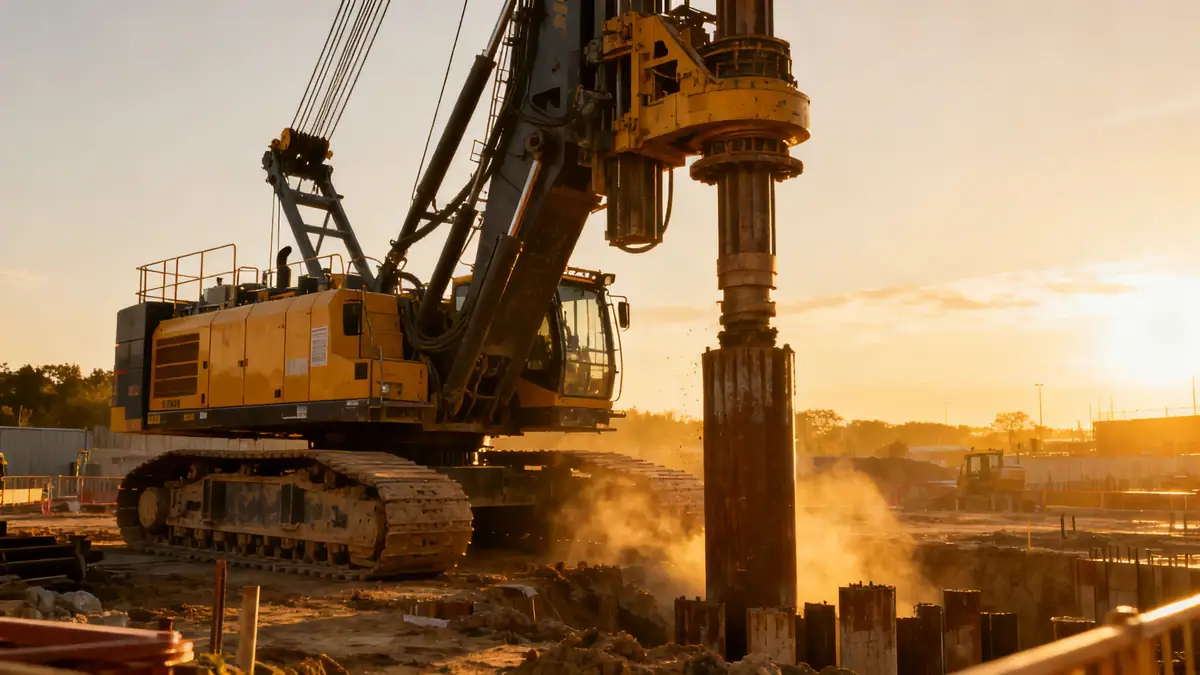
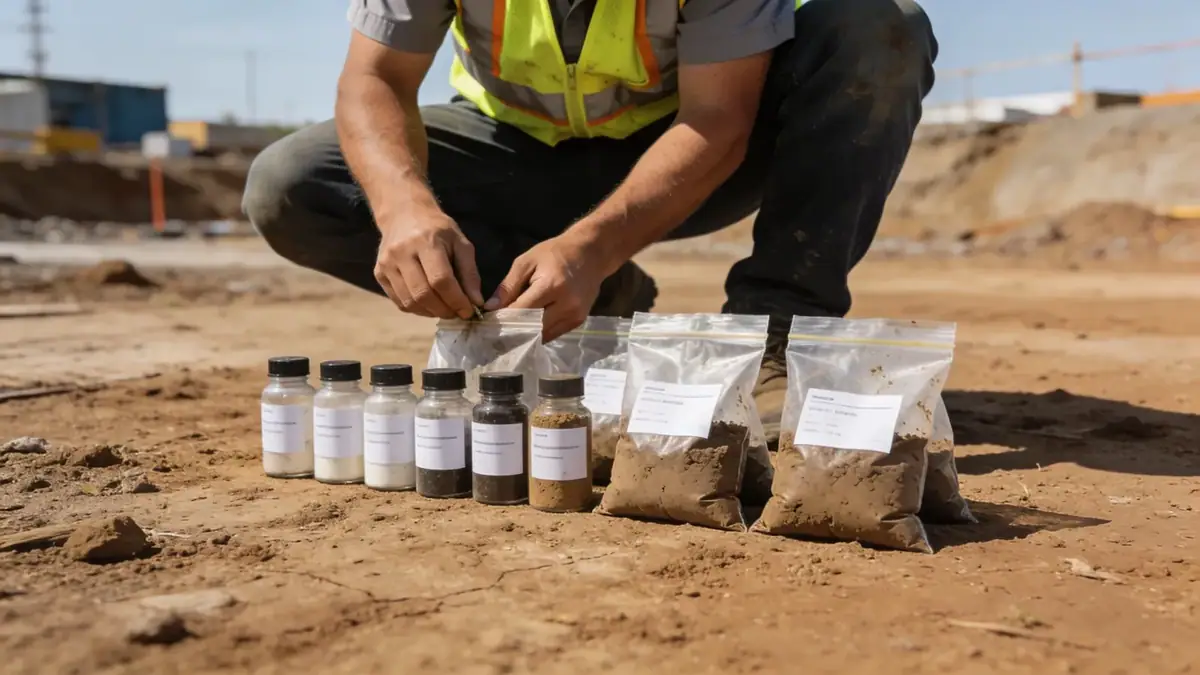
Our methodology at Geotechnical Engineering Associates begins with a thorough review of existing geological data for Montgomery, followed by a field exploration program. We employ standard penetration tests (SPT) per ASTM D1586 to characterize subsurface conditions, supplemented by soil sampling for laboratory analysis. In Montgomery, where alluvial and coastal plain deposits are common, we prioritize understanding the variability of soil strata and groundwater conditions. Our approach integrates site-specific data with regional seismic hazard assessments, ensuring that foundation designs comply with local building codes. For detailed insights into our SPT procedures, visit our spt boring page.
Reference Technical Parameters
| Parameter | Reference Value |
|---|---|
| Predominant soil type | Sandy clay, silty sand, and alluvial deposits |
| Maximum seismic acceleration (PGA) | 0.15g to 0.20g (ASCE 7-16) |
| Typical groundwater level | 2 to 6 meters below ground surface |
| Bedrock depth | 10 to 30 meters (Paleozoic sedimentary rock) |
| Typical N60 range | 5 to 20 blows per 0.3 m |
Local Considerations — Montgomery Alabama
Montgomery's geology is dominated by the Gulf Coastal Plain, characterized by unconsolidated sediments including sand, clay, and gravel. The region experiences low to moderate seismic activity, with design spectral accelerations per ASCE 7-16 typically ranging from 0.15g to 0.20g. Groundwater levels are shallow in many areas, often within 2 to 6 meters of the surface, requiring dewatering considerations for excavations. Soil variability across neighborhoods, from downtown's stiff clays to suburban loose sands, necessitates site-specific investigations. Common challenges include expansive clays and liquefaction potential in saturated sands. For advanced analysis techniques, our soil mechanics laboratory provides essential data on soil behavior.
Request a Quote
Our team reviews your project and issues an initial report at no cost.
Or write us directly at [email protected]
Services in Montgomery Alabama
Applicable Standards
- ASTM D1586 (Standard Penetration Test)
- ASCE 7-16 (Minimum Design Loads for Buildings)
- IBC 2021 (International Building Code)
- Alabama State Building Code
Frequently Asked Questions
What are the typical soil conditions in Montgomery, Alabama?
Montgomery's soils are primarily alluvial and coastal plain deposits, consisting of sandy clays, silty sands, and occasional gravel layers. These soils often exhibit moderate to high plasticity and variable density, requiring careful geotechnical evaluation for foundation design.
Does Montgomery have seismic design requirements?
Yes, Montgomery is in a low to moderate seismic zone per ASCE 7-16, with spectral accelerations (Ss) around 0.2g to 0.3g. Structures must comply with the International Building Code (IBC) and Alabama amendments, which include seismic detailing provisions for certain occupancy categories.
Are geotechnical studies mandatory for construction in Montgomery?
While not always legally required for minor residential projects, most commercial and public buildings mandate a geotechnical investigation per IBC. Our firm recommends site-specific studies for all projects to mitigate risks from expansive soils, groundwater, and seismic hazards.