
Methodology
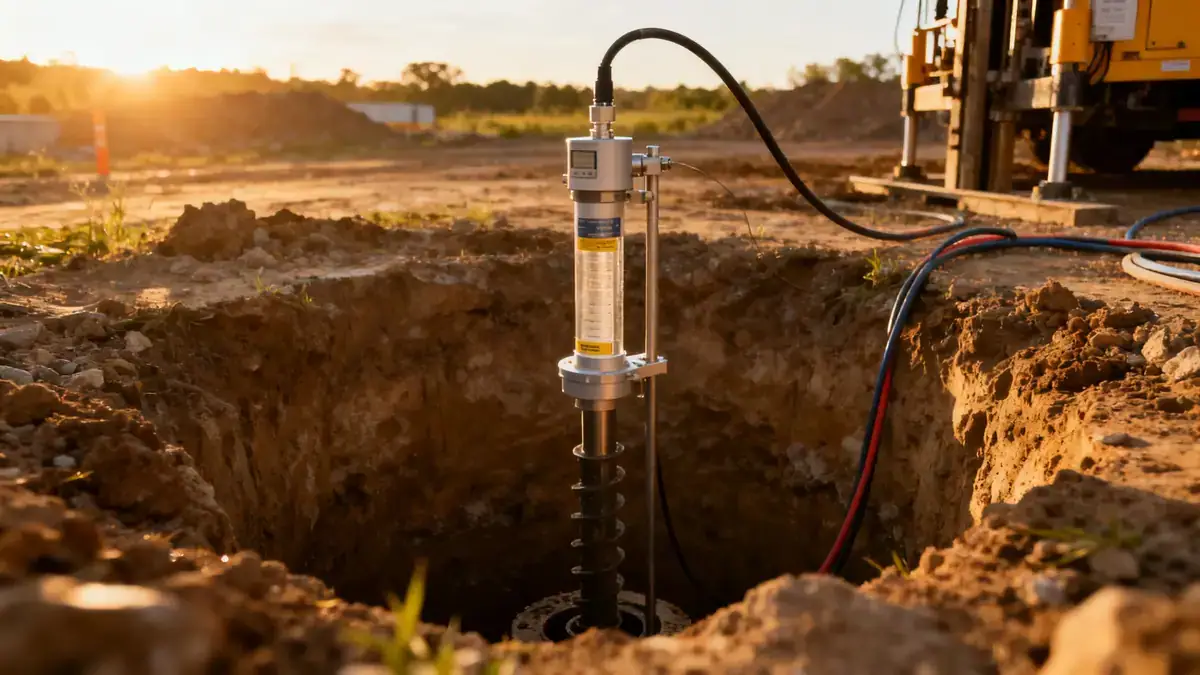
Our methodology for geotechnical engineering in Nashville integrates field investigations, laboratory testing, and advanced analysis. We typically begin with a review of existing geological maps and borehole records to characterize the subsurface stratigraphy. Field programs include spt boring performed in accordance with ASTM D1586, with sampling intervals adjusted based on the observed soil conditions. Standard penetration test (SPT) N-values are recorded at 1.5-meter intervals to evaluate soil density and strength. Groundwater monitoring wells are installed to assess seasonal fluctuations. In the laboratory, we conduct index tests, compaction tests (ASTM D698), and direct shear tests (ASTM D3080) to determine engineering parameters. Data are synthesized into a geotechnical model that supports foundation design, slope stability analyses, and earthwork recommendations.
Reference Technical Parameters
| Parameter | Reference Value |
|---|---|
| Predominant soil type | Clayey silt and silty clay with limestone residuum |
| Maximum seismic acceleration (PGA) | 0.15g (ASCE 7-16, Site Class C) |
| Typical groundwater level | 3 to 8 meters below ground surface |
| Bedrock depth | 5 to 30 meters, variable |
| Typical N60 range | 4 to 30 blows per 0.3 m |
Local Considerations — Nashville
Nashville's geology is dominated by limestone and dolomite of the Ordovician Nashville Group, overlain by residual soils and alluvial deposits along the Cumberland River. Expansive clay soils are common in areas underlain by the Lebanon Limestone, requiring careful evaluation of shrink-swell potential. Seismic hazard is moderate, with a PGA of 0.15g per ASCE 7-16. Local regulations, including the Nashville Stormwater Management Manual, require geotechnical reports for many developments. For projects requiring specialized analysis, our team coordinates with our geotechnical engineering in Atlanta office to leverage regional expertise.
Request a Quote
Our team reviews your project and issues an initial report at no cost.
Or write us directly at [email protected]
Services in Nashville
Applicable Standards
- ASTM D1586 (Standard Penetration Test)
- ASTM D698 (Standard Proctor Compaction)
- ASTM D3080 (Direct Shear Test)
- ASCE 7-16 (Minimum Design Loads and Associated Criteria for Buildings and Other Structures)
- Tennessee Department of Transportation (TDOT) Standard Specifications for Road and Bridge Construction
Frequently Asked Questions
What are the typical soil conditions encountered in Nashville?
Nashville soils predominantly consist of clayey silts and silty clays derived from limestone residuum. Alluvial deposits along the Cumberland River include sands and gravels. Expansive clays are common in areas underlain by the Lebanon Limestone, requiring careful evaluation for foundation design.
Is seismic design required for buildings in Nashville?
Yes, Nashville is subject to moderate seismic hazard. Per ASCE 7-16, the mapped peak ground acceleration (PGA) for a 2% probability of exceedance in 50 years is 0.15g. Site-specific response spectra may be required for critical facilities or sites with soft soil conditions.
Are geotechnical investigations mandatory for construction in Nashville?
While not universally mandated, the Nashville-Davidson County code often requires geotechnical reports for new building permits, especially for structures with deep foundations or in areas with known soil issues. Additionally, the Nashville Stormwater Management Manual may necessitate subsurface evaluations for infiltration practices.