Methodology
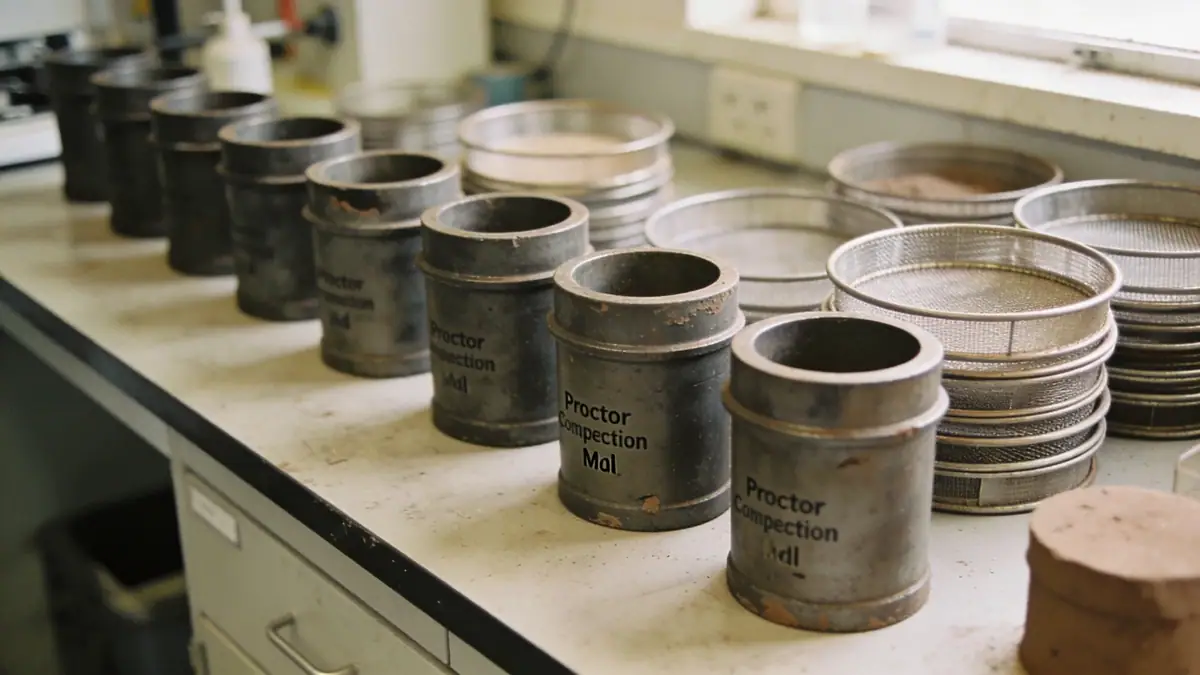
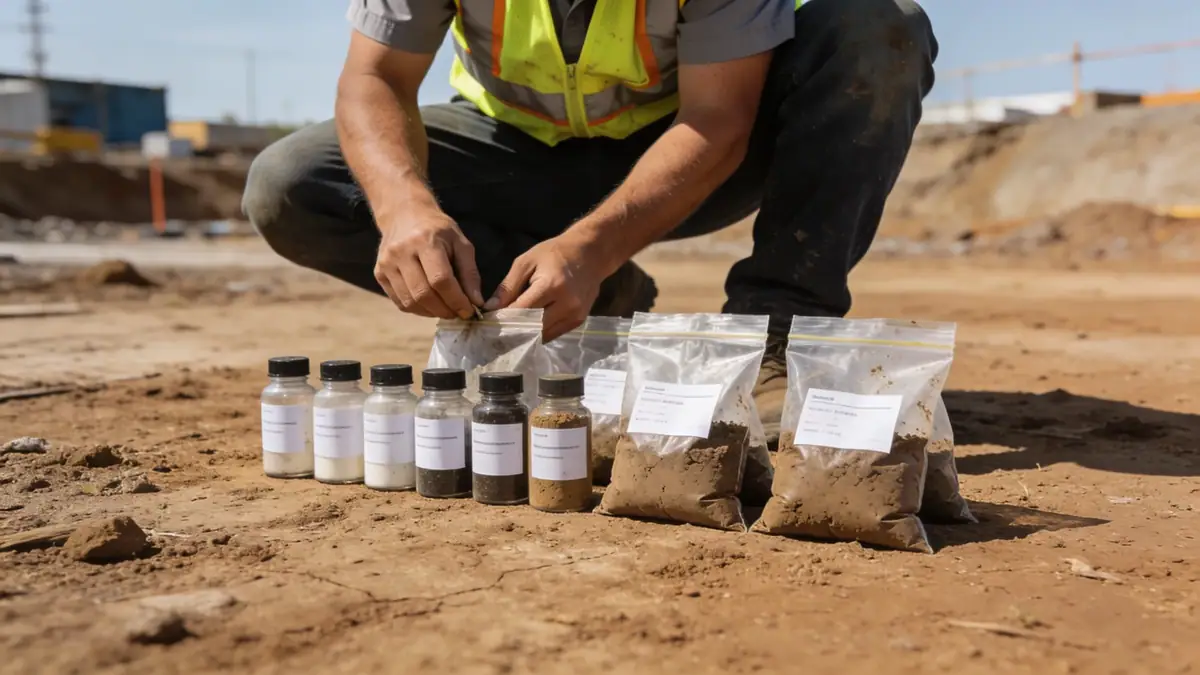
Our methodology for geotechnical projects in Newark integrates field exploration, laboratory testing, and analytical modeling. We perform standard penetration testing (SPT) in accordance with ASTM D1586, with sampling intervals typically every 1.0 to 1.5 meters, reaching depths of 8 to 15 meters for residential structures and up to 30 meters for commercial or industrial projects. Disturbed and undisturbed samples are analyzed in our soil mechanics laboratory for index properties, strength, and consolidation parameters. For slope stability and retaining wall assessments, we employ limit equilibrium methods (e.g., Bishop, Spencer) and finite element analyses, calibrated with site-specific soil parameters. This systematic approach provides reliable design recommendations tailored to Newark's subsurface conditions.
Reference Technical Parameters
| Parameter | Reference Value |
|---|---|
| Predominant soil type | Glacial till, sand, silt, clay (Newark Basin) |
| Maximum seismic acceleration (PGA) | 0.2–0.3 g (ASCE 7-22, Site Class C–D) |
| Typical groundwater level | 3–8 ft below ground surface |
| Bedrock depth | 10–60 ft (argillite, basalt) |
| Typical N60 range | 5–30 blows/ft (variable) |
Local Considerations — Newark
Newark's geology is dominated by glacial till and sedimentary rocks of the Newark Basin, with shallow bedrock (argillite and basalt) in northern areas and deeper unconsolidated deposits in the south. The water table is typically 3 to 8 feet deep, requiring dewatering for excavations. Seismic hazard is moderate (ASCE 7-22, PGA 0.2–0.3 g), with Site Class D prevalent. Older industrial sites may have subsurface contamination, necessitating environmental coordination. Our team integrates these factors into cost-effective foundation solutions, referencing our geotechnical engineering en New York expertise for regional consistency. For detailed subsurface investigation, see our spt boring service.
Request a Quote
Our team reviews your project and issues an initial report at no cost.
Or write us directly at [email protected]
Services in Newark
Applicable Standards
- ASTM D1586 (Standard Penetration Test)
- ASCE 7-22 (Minimum Design Loads for Buildings)
- New Jersey Uniform Construction Code (NJUCC)
- ASTM D2487 (Unified Soil Classification System)
Frequently Asked Questions
What are the typical soil conditions for foundations in Newark?
Soils in Newark consist of glacial till, sand, silt, and clay over bedrock (argillite or basalt) at depths of 10 to 60 feet. N60 values range from 5 to 30 blows/ft, with groundwater at 3–8 ft. Geotechnical investigations are essential to determine bearing capacity and settlement potential.
Does Newark require seismic design for geotechnical projects?
Yes, Newark is in a moderate seismic zone with PGA of 0.2–0.3 g per ASCE 7-22. Site Class D is common, requiring site-specific response analysis for critical structures. Liquefaction potential should be evaluated for loose saturated sands.
Are geotechnical studies mandatory for building permits in Newark?
The New Jersey Uniform Construction Code requires a geotechnical report for most new construction and major renovations, especially for buildings with deep foundations, retaining walls, or slopes. Our studies comply with NJUCC and ASTM standards to support permit approval.