Methodology
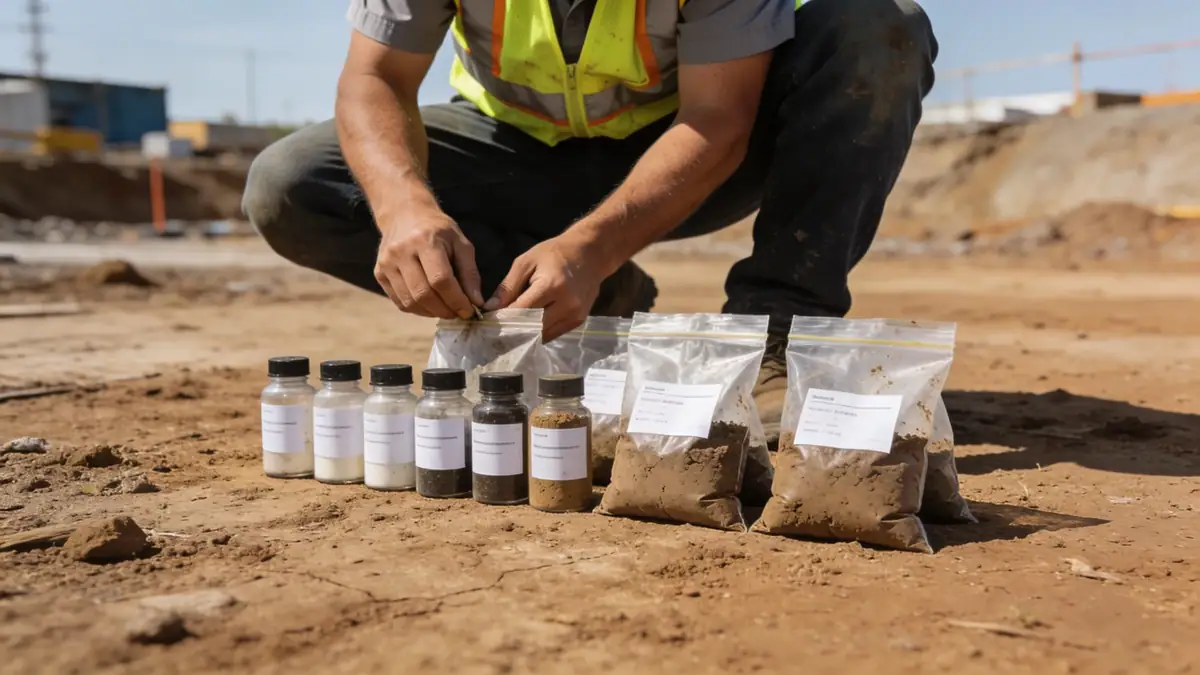
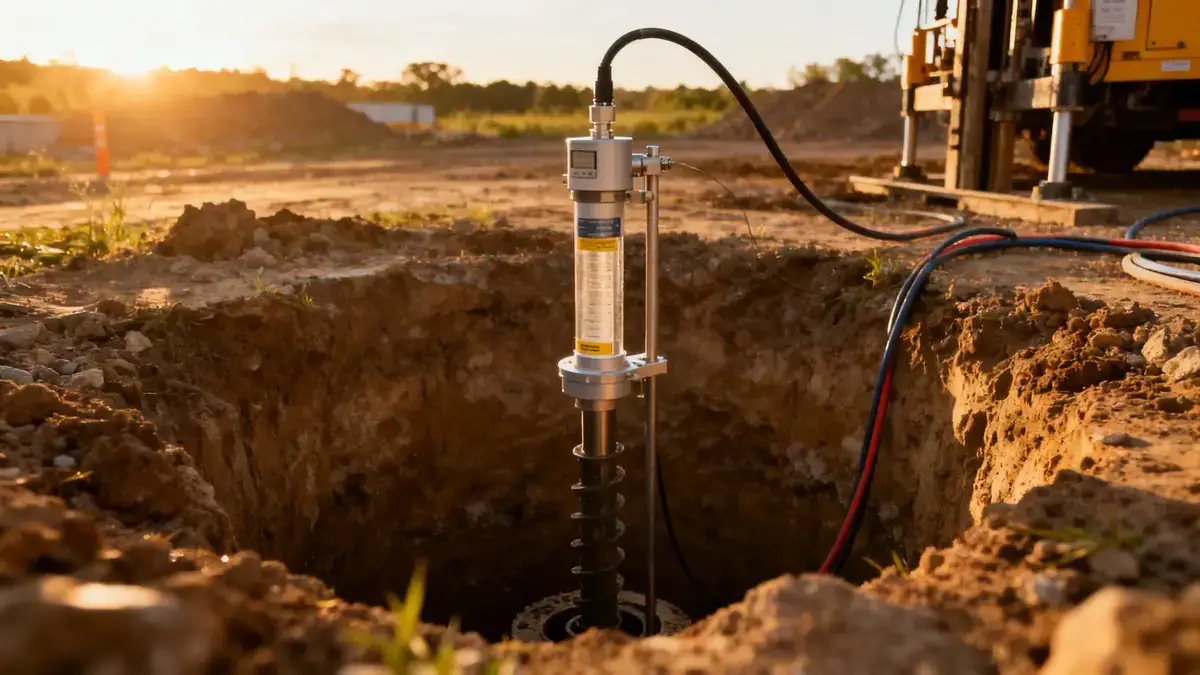
Our methodology for geotechnical engineering in Norfolk integrates field investigation, laboratory testing, and advanced analysis. We begin with a review of existing geologic maps and nearby project data, then execute a tailored subsurface exploration program. Standard penetration testing (SPT) per ASTM D1586 is conducted at intervals of 1.0 to 1.5 meters to obtain soil samples and N-values. For projects requiring detailed profiling, we employ cone penetration testing (CPT) with continuous readings at 1–2 cm intervals. All fieldwork is supervised by licensed geotechnical engineers, and laboratory testing follows ASTM standards for classification, strength, and consolidation. This systematic approach provides reliable parameters for foundation design and slope stability assessments. For more on our investigation techniques, see our spt boring service.
Reference Technical Parameters
| Parameter | Reference Value |
|---|---|
| Predominant soil type | Marine clay and silty sand |
| Maximum seismic acceleration (PGA) | 0.2g (ASCE 7-16) |
| Typical groundwater level | 1.5–3.0 m below grade |
| Bedrock depth | 15–30 m (variable) |
| Typical N60 range | 4–15 (clay); 10–30 (sand) |
Local Considerations — Norfolk
Norfolk's coastal location presents unique geotechnical challenges. The predominant soils are soft marine clays and loose silty sands, often with high organic content near the Elizabeth River. Groundwater is typically shallow (1.5–3.0 m), requiring dewatering considerations for excavations. Seismic hazard is moderate, with a maximum considered earthquake (MCE) spectral response acceleration at 0.2 sec of approximately 0.2g per ASCE 7. Older neighborhoods like Ghent may have fill soils, while newer developments in the south rely on compacted fills. Common issues include settlement of clays and liquefaction potential in loose sands during seismic events. Our team addresses these through comprehensive site investigations, including soil mechanics laboratory testing for consolidation and cyclic resistance. We also coordinate with local building officials to ensure compliance with the Virginia Uniform Statewide Building Code (USBC). For regional context, see geotechnical engineering en Philadelphia.
Request a Quote
Our team reviews your project and issues an initial report at no cost.
Or write us directly at [email protected]
Services in Norfolk
Applicable Standards
- ASTM D1586 – Standard Test Method for Standard Penetration Test (SPT)
- ASCE 7-16 – Minimum Design Loads and Associated Criteria for Buildings
- Virginia Uniform Statewide Building Code (USBC)
- ASTM D2487 – Classification of Soils for Engineering Purposes
- ASTM D2435 – Standard Test Methods for One-Dimensional Consolidation
Frequently Asked Questions
What soil types are commonly found in Norfolk?
Norfolk's subsurface consists primarily of marine clays and silty sands, with organic deposits near waterways. The clay layers are often soft to medium stiff, while sands can be loose to medium dense. Variable fill materials are present in developed areas.
Do I need a geotechnical study for a residential project in Norfolk?
Yes, most local building departments require a geotechnical report for new construction or significant additions. The study assesses soil bearing capacity, settlement potential, and groundwater conditions, ensuring the foundation design meets code requirements and mitigates future issues.
How does seismic activity affect foundation design in Norfolk?
Norfolk lies in a moderate seismic zone (ASCE 7 Site Class D). Loose sands may liquefy during strong earthquakes, and soft clays can amplify ground motion. Geotechnical engineers evaluate these risks and recommend appropriate foundation types, such as deep piles or ground improvement, to ensure safety.