Methodology
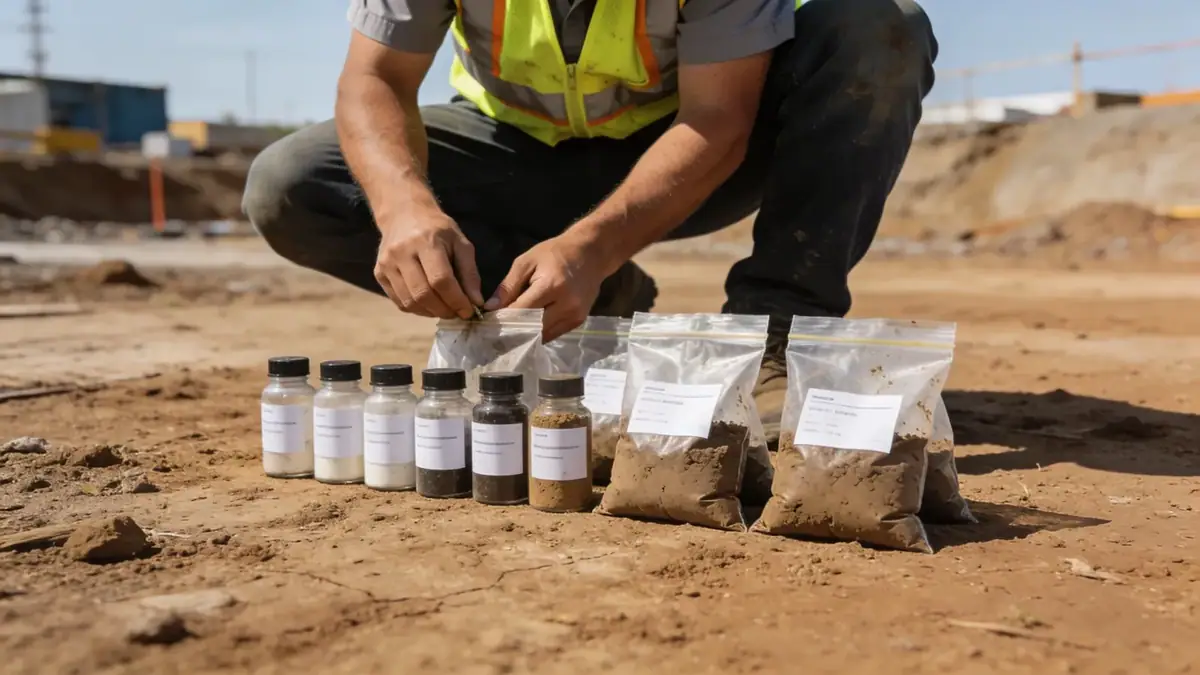
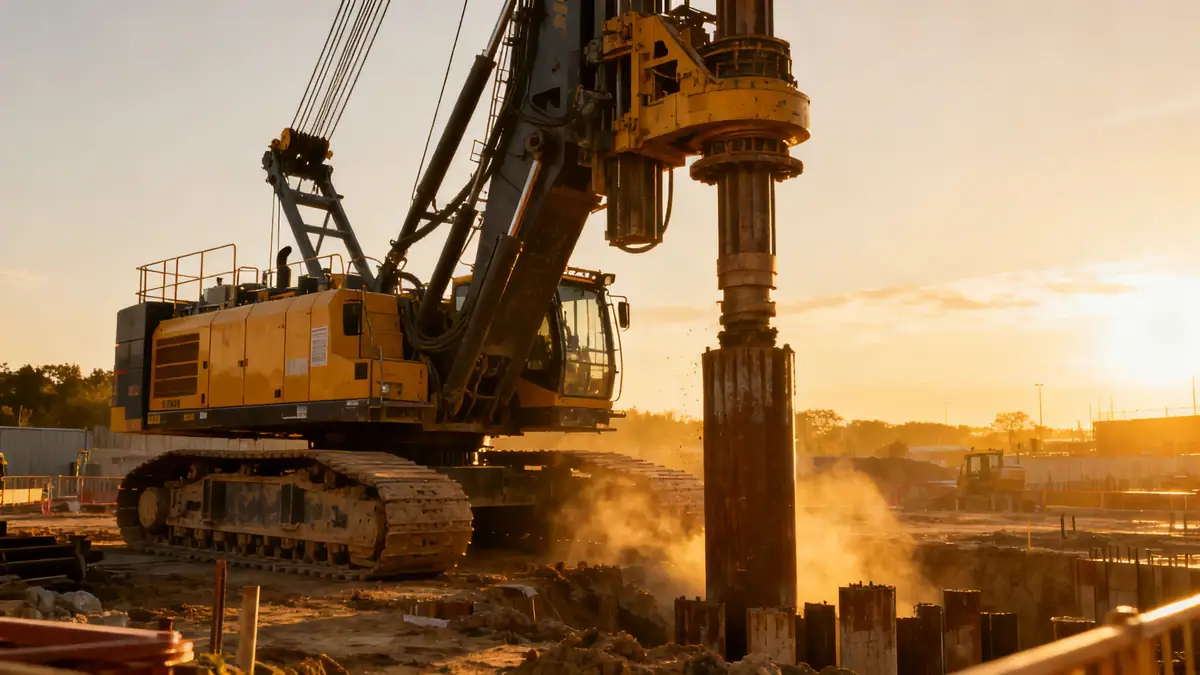
Our methodology for geotechnical engineering in Pittsburgh begins with a detailed desk study of existing geologic maps and boring logs from the Pennsylvania Geological Survey. Field investigations include spt boring in accordance with ASTM D1586, with sampling intervals of 1.5 m to capture stratigraphic changes. Laboratory testing on recovered samples follows ASTM D4318 for Atterberg limits and D422 for grain-size analysis. Data integration uses geostatistical methods to develop a three-dimensional subsurface model, guiding foundation recommendations for both shallow and deep systems.
Reference Technical Parameters
| Parameter | Reference Value |
|---|---|
| Predominant soil type | Glacial till and alluvium over bedrock |
| Maximum seismic acceleration (PGA) | 0.18 g (ASCE 7-16) |
| Typical groundwater level | 3–7 m below surface |
| Bedrock depth | 10–30 m |
| Typical N60 range | 8–35 blows/0.3 m |
Local Considerations — Pittsburgh
Pittsburgh's geology is dominated by Pennsylvanian-aged sedimentary rocks, including the Pittsburgh coal seam and the Morgantown sandstone. Glacial deposits and alluvial terraces along the three rivers create variable soil conditions, with fill and organic soils in historic industrial areas. Seismic design per ASCE 7-16 requires site-specific response spectra, as the region falls in Seismic Design Category B. Our team has extensive experience with hillside developments, where slope stability is critical, and with deep foundations in the river valleys. For broader regional context, our geotechnical engineering en Philadelphia practice addresses similar bedrock geology in a different urban setting.
Request a Quote
Our team reviews your project and issues an initial report at no cost.
Or write us directly at [email protected]
Services in Pittsburgh
Applicable Standards
- ASTM D1586
- ASCE 7-16
- IBC 2021
- Pennsylvania DEP regulations
Frequently Asked Questions
What are the typical soil conditions for geotechnical engineering in Pittsburgh?
Pittsburgh's subsurface consists of glacial till, alluvial silts and sands, and weathered sedimentary bedrock. Fill materials are common in former industrial sites. Standard penetration test N60 values typically range from 8 to 35 blows per foot.
What seismic design requirements apply to geotechnical engineering in Pittsburgh?
Pittsburgh is classified under Seismic Design Category B per ASCE 7-16, with a maximum considered earthquake spectral acceleration of 0.18 g. Site-specific response spectra may be required for critical structures.
Are geotechnical studies mandatory for construction in Pittsburgh?
While not explicitly required by all municipalities, the International Building Code (IBC 2021) and Pennsylvania's Uniform Construction Code mandate geotechnical investigations for most structures. Local conditions, such as variable fill and steep slopes, make them essential for safe design.