Methodology
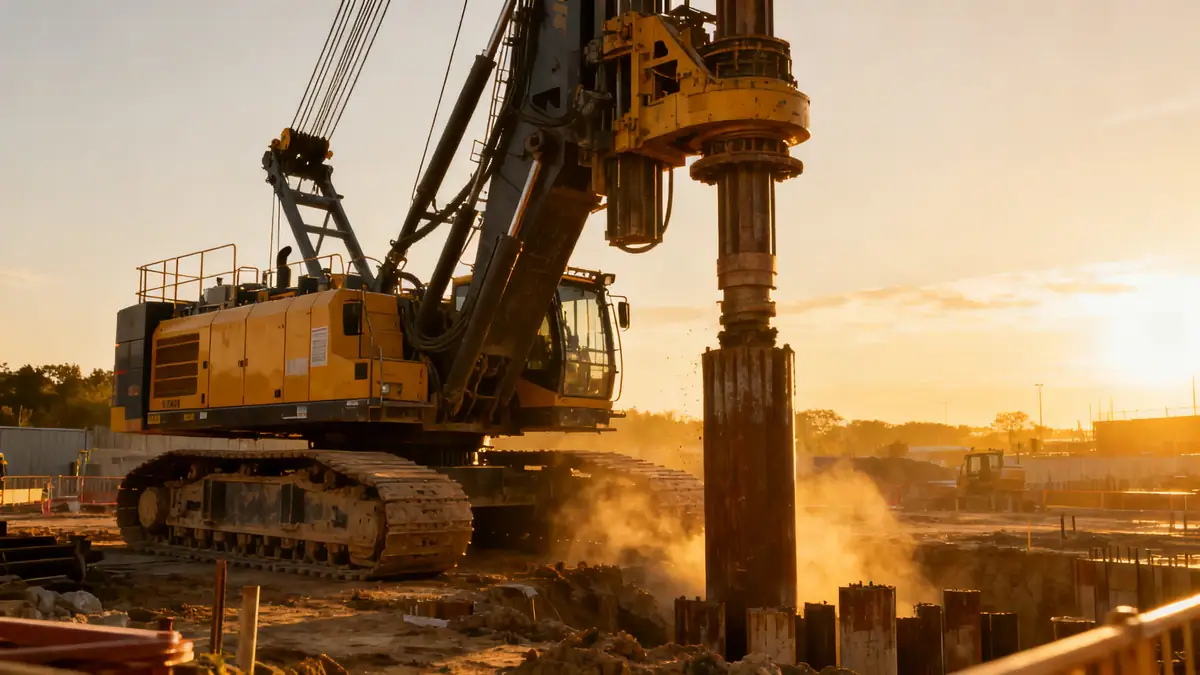
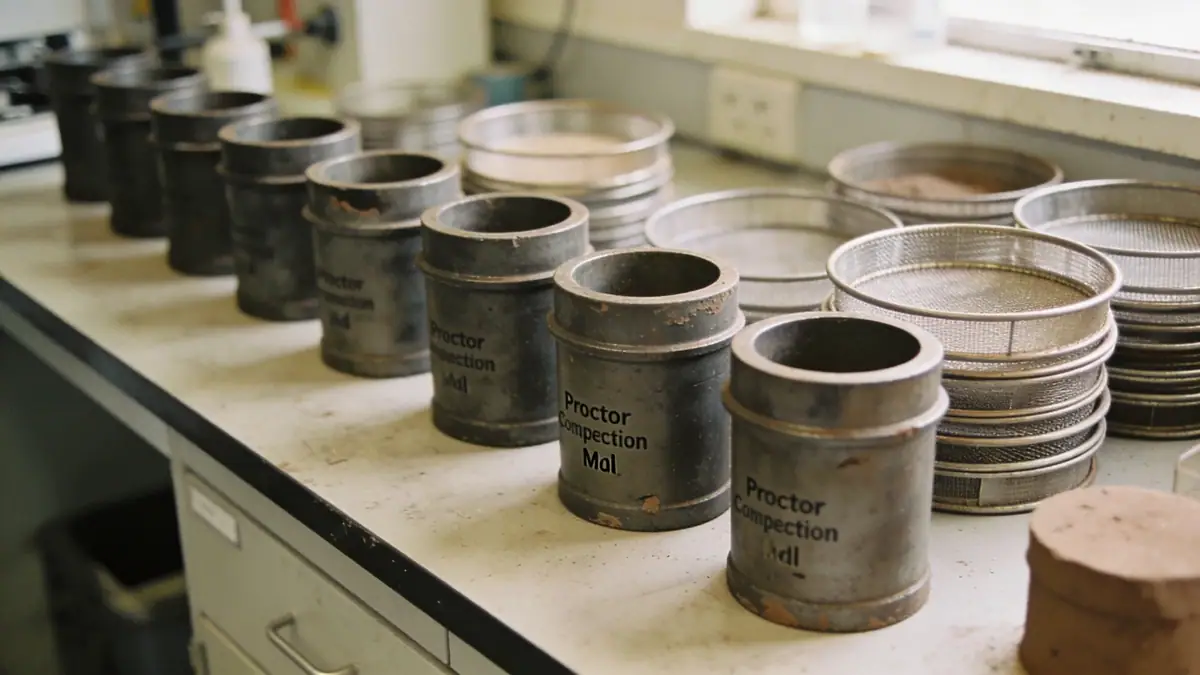
Our methodology in Providence begins with a thorough review of existing geological maps and borings from the Rhode Island Department of Transportation. We then conduct targeted field investigations, including spt boring at 1.0 to 1.5 m intervals per ASTM D1586, to characterize subsurface conditions. Soil samples are transported to our soil mechanics laboratory for classification, strength, and consolidation testing. This data informs our engineering analyses, including bearing capacity, settlement, and seismic site response. Our approach integrates local experience with rigorous standards to deliver reliable recommendations for Providence projects.
Reference Technical Parameters
| Parameter | Reference Value |
|---|---|
| Predominant soil type | Glacial till and outwash sands/gravels |
| Maximum seismic acceleration (PGA) | 0.15 g (ASCE 7-16 Site Class C) |
| Typical groundwater level | 2–5 m below grade |
| Bedrock depth | 10–30 m (varies with location) |
| Typical N60 range | 10–50 blows/ft in granular soils |
Local Considerations — Providence
Providence's geology is dominated by glacial deposits, including till and outwash, overlying metamorphic bedrock. The water table is high near the Providence River, requiring dewatering considerations. Seismic hazard is moderate (PGA 0.15g) per ASCE 7-16. Soil conditions vary sharply between downtown fill and suburban glacial till. Typical projects include urban high-rises requiring deep foundations and residential developments on till. For reference, our firm also provides geotechnical engineering en New York services for similar urban challenges.
Request a Quote
Our team reviews your project and issues an initial report at no cost.
Or write us directly at [email protected]
Services in Providence
Applicable Standards
- ASTM D1586 (Standard Penetration Test)
- ASCE 7-16 (Minimum Design Loads for Buildings)
- Rhode Island State Building Code (RI SBC)
- ASTM D2487 (Unified Soil Classification System)
Frequently Asked Questions
What types of soil are commonly found in Providence?
Providence soils are predominantly glacial till, outwash sands and gravels, and coastal deposits. Fill materials are common in downtown areas. These variable conditions require careful site-specific investigation to characterize bearing capacity and settlement potential.
Is seismic design required for projects in Providence?
Yes, Providence is in a moderate seismic zone per ASCE 7-16. The maximum considered earthquake spectral response acceleration at short periods (Ss) is approximately 0.3 g, requiring site-specific seismic analysis for many structures. Our firm evaluates site class and liquefaction potential per code.
Are geotechnical studies mandatory for building permits in Providence?
The Rhode Island State Building Code requires a geotechnical investigation for most structures, especially those with deep foundations or soil-dependent designs. Local authorities may also request reports for site plan approval. We recommend early consultation to streamline permitting.