Methodology
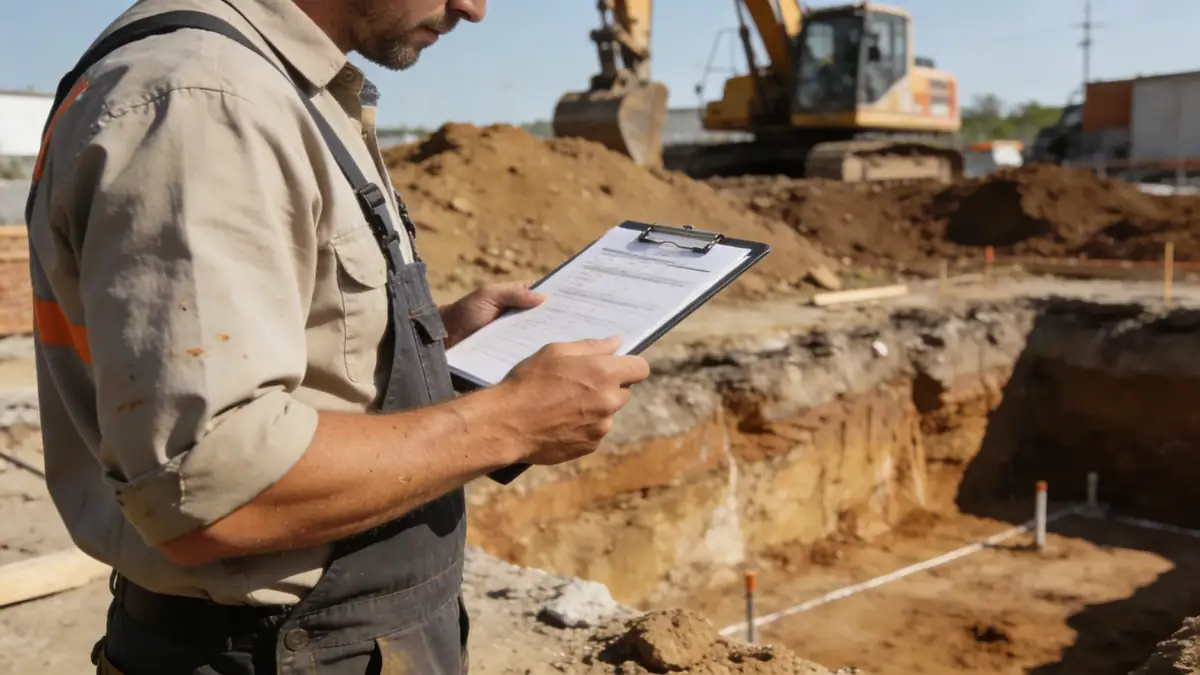
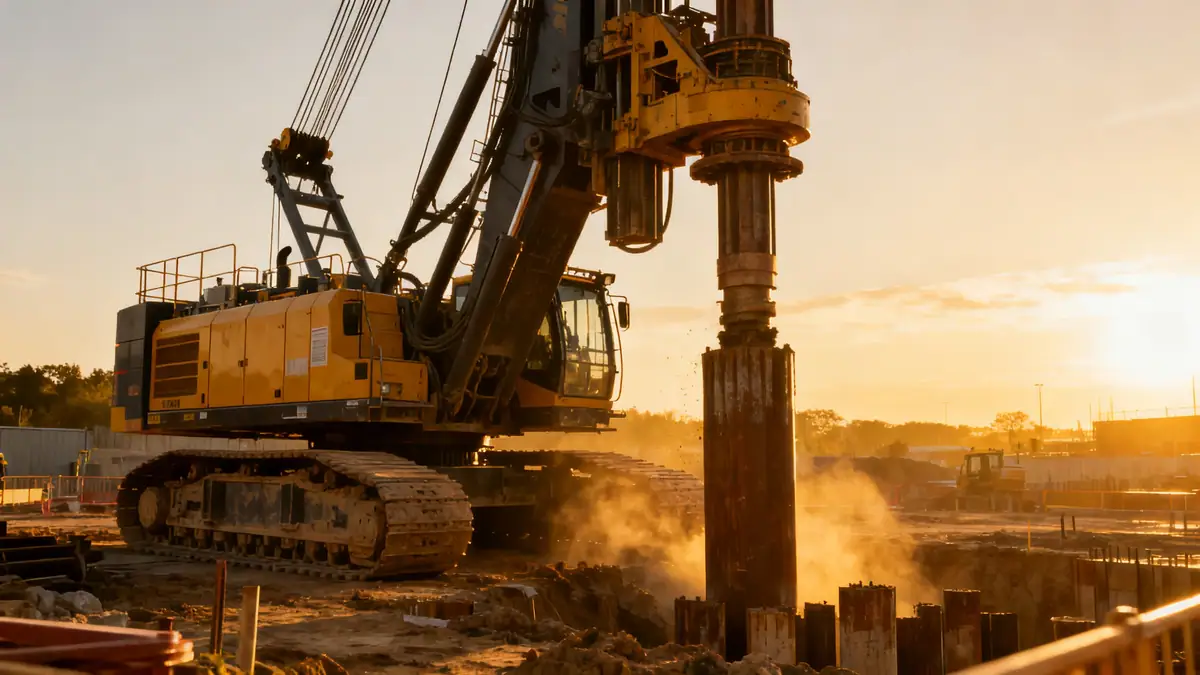
Our methodology for geotechnical engineering in Rochester begins with a thorough review of available geologic maps and prior subsurface data. We then conduct field investigations including spt boring to obtain disturbed and undisturbed samples, adhering strictly to ASTM D1586. In our soil mechanics laboratory, we perform index property tests, strength tests, and consolidation tests to characterize soil behavior. All data are synthesized into a geotechnical report that addresses bearing capacity, settlement, seismic site class per ASCE 7, and groundwater control measures, ensuring compliance with local building codes.
Reference Technical Parameters
| Parameter | Reference Value |
|---|---|
| Predominant soil type | Glacial till and lacustrine clay |
| Maximum seismic acceleration (PGA) | 0.18g (ASCE 7-16, Site Class C) |
| Typical groundwater level | 3–8 ft below ground surface |
| Bedrock depth | 20–100 ft (Queenston Shale) |
| Typical N60 range (SPT) | 10–30 blows/ft in till; 2–10 in clay |
Local Considerations — Rochester
Rochester's subsurface is dominated by glacial till and lacustrine deposits from the last glaciation. The water table is generally shallow, often within 3 to 8 feet, requiring dewatering considerations for excavations. Seismic hazard is moderate, with a peak ground acceleration of 0.18g according to ASCE 7-16, placing most sites in Seismic Design Category B. Foundation design must account for variable soil stiffness and potential for differential settlement. For complex projects, our slope stability analyses ensure safe cut and fill slopes. Our team is also experienced in retaining wall design for the region's challenging soil conditions. As our primary hub, we coordinate with our geotechnical engineering en Philadelphia team to deliver consistent, high-quality service.
Request a Quote
Our team reviews your project and issues an initial report at no cost.
Or write us directly at [email protected]
Services in Rochester
Applicable Standards
- ASTM D1586 (Standard Test Method for Standard Penetration Test)
- ASCE 7-16 (Minimum Design Loads and Associated Criteria for Buildings and Other Structures)
- International Building Code (IBC) 2021
- New York State Building Code
- ASTM D2487 (Classification of Soils for Engineering Purposes)
Frequently Asked Questions
What are the predominant soil types in Rochester?
Rochester's soils are predominantly glacial till (silty sand with gravel) and lacustrine clay, often interbedded with outwash sand and silt. These deposits result from the last glacial retreat and can vary significantly over short distances, necessitating careful subsurface investigation.
Is seismic design required for structures in Rochester?
Yes, the New York State Building Code adopts the IBC with ASCE 7 seismic provisions. Rochester falls in Seismic Design Category B, with a mapped peak ground acceleration of 0.18g. While not high, seismic analysis is required for many structures, especially those on soft soils.
Are geotechnical studies mandatory for all construction projects in Rochester?
While not explicitly required for all minor residential work, most commercial and multi-family projects necessitate a geotechnical report per the New York State Building Code. The report must address soil bearing capacity, settlement, groundwater, and seismic site class.