
Methodology
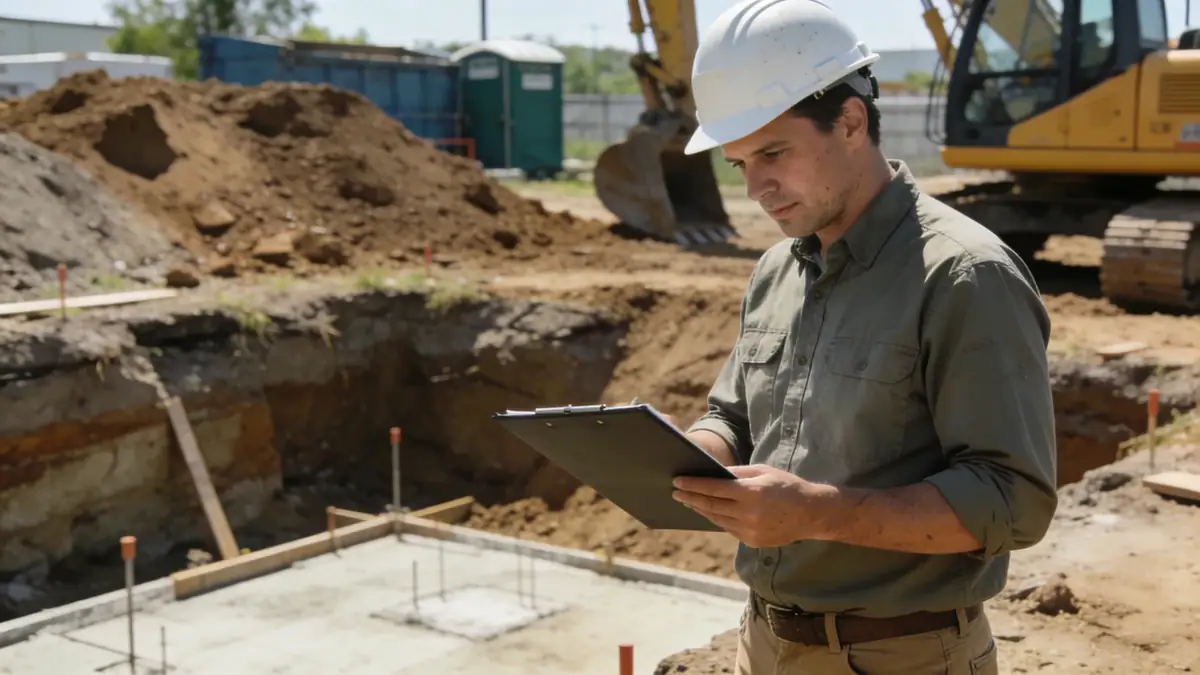
Our methodology in Savannah, Georgia, follows a phased approach tailored to the Coastal Plain physiographic province. We commence with a desktop study of published geotechnical data and historical borings, then execute a field exploration program using spt boring (Standard Penetration Test) per ASTM D1586, typically advanced to depths of 15–30 m with SPT sampling at 1.5 m intervals. Undisturbed thin-wall tube samples are collected in cohesive strata for laboratory testing. In soft or loose deposits, cone penetration testing (CPT) provides continuous stratigraphic profiles. Our soil mechanics laboratory classifies soils per ASTM D2487 (USCS) and determines strength and consolidation parameters. All data are synthesized into a geotechnical report addressing foundation recommendations, lateral earth pressures, and seismic design parameters per ASCE 7.
Reference Technical Parameters
| Parameter | Reference Value |
|---|---|
| Predominant soil type | Sand (SP-SM) and clay (CH-MH) interbedded |
| Maximum seismic acceleration (PGA) | 0.10–0.15 g (ASCE 7 Site Class D) |
| Typical groundwater level | 1.5–4.5 m below ground surface |
| Bedrock depth | Typically > 30 m (Coastal Plain sediments) |
| Typical N60 range (SPT) | 5–25 blows/0.3 m (varies with depth) |
Local Considerations — Savannah Georgia
Savannah's geology is dominated by the Coastal Plain, with near-surface sands and clays exhibiting high variability. The water table is shallow (1.5–4.5 m), requiring dewatering considerations for excavations. Seismic hazard is moderate (PGA 0.10–0.15 g), with Site Class D prevalent due to soft soil profiles. Neighborhoods like the Historic District often have fill over marsh deposits, while suburban areas in Chatham County encounter dense Pleistocene sands. Our team has addressed challenges such as liquefaction potential in low-lying zones and differential settlement on estuarine deposits. For regional context, our geotechnical engineering en Atlanta team provides complementary expertise in the Piedmont province. Additionally, our slope stability analyses are frequently required for Savannah's coastal bluffs and retention pond embankments.
Request a Quote
Our team reviews your project and issues an initial report at no cost.
Or write us directly at [email protected]
Services in Savannah Georgia
Applicable Standards
- ASTM D1586 (Standard Penetration Test)
- ASCE 7 (Minimum Design Loads and Associated Criteria for Buildings and Other Structures)
- IBC (International Building Code) – Georgia Amendments
Frequently Asked Questions
What types of soil are commonly found in Savannah, Georgia?
Savannah's soils are predominantly Coastal Plain sediments: sands (SP, SM), silty sands, and clays (CH, MH) interbedded with organic layers. Near the coast, marine and estuarine deposits dominate, while inland older Pleistocene formations include dense sands and stiff clays.
Is seismic design required for projects in Savannah, Georgia?
Yes. Per ASCE 7, Savannah falls in Seismic Design Category B to C with a PGA of 0.10–0.15 g. Seismic site classification (Site Class D is common) and liquefaction assessment are mandatory for most structures under the IBC Georgia Amendments.
Are geotechnical studies mandatory for construction in Savannah?
While not explicitly required for single-family homes, the Georgia State Minimum Standard Codes and local ordinances often necessitate a geotechnical report for commercial, industrial, and multi-story residential projects, especially in areas with shallow groundwater or compressible soils.