Methodology
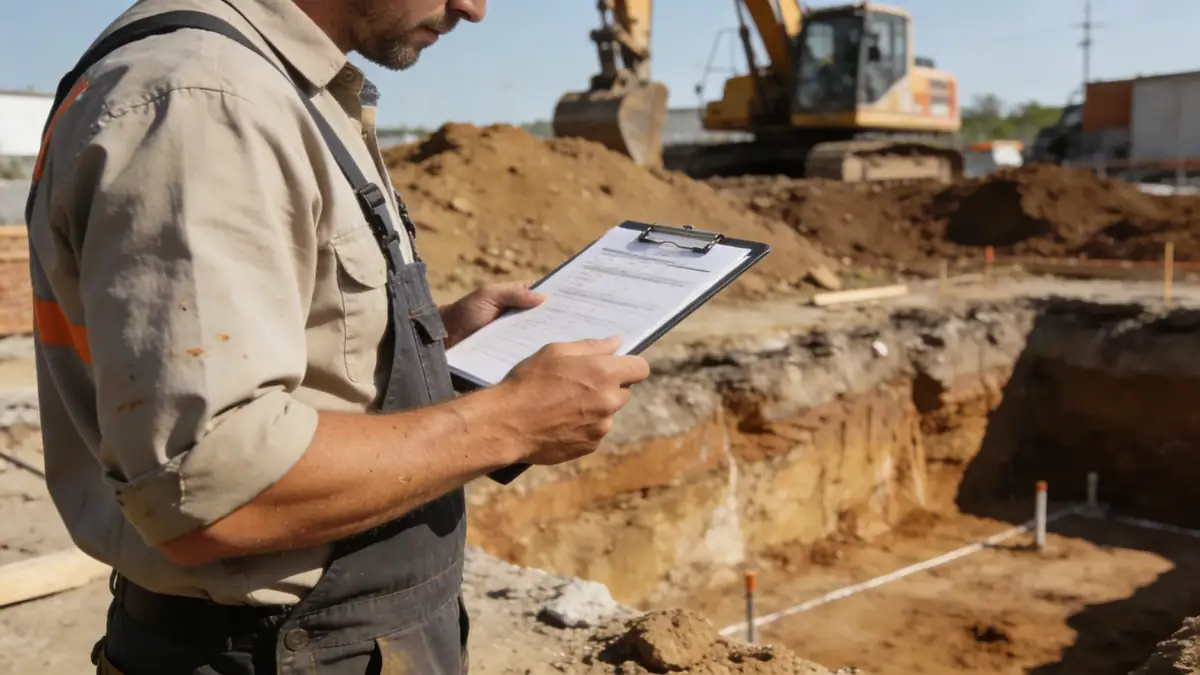
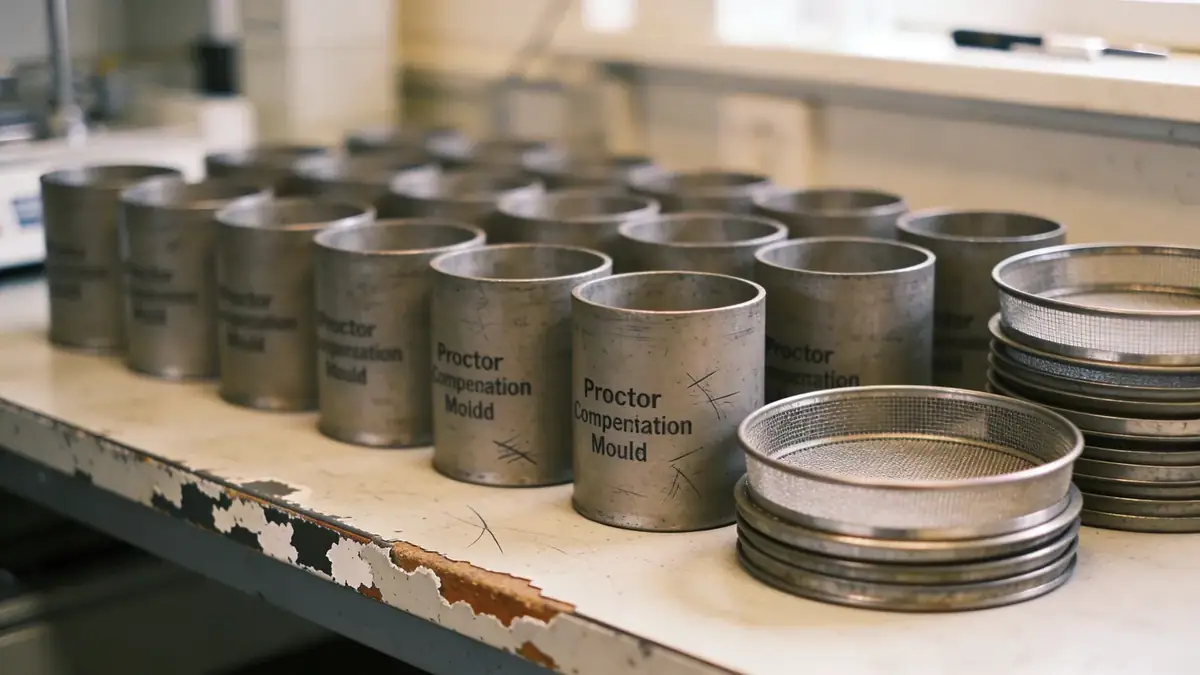
Our approach to geotechnical engineering in Tallahassee begins with a comprehensive review of existing geological maps and historical project data. We then execute a targeted field investigation program, which may include spt boring to obtain soil samples and measure penetration resistance. Laboratory testing on recovered samples determines index properties, strength, and consolidation characteristics. All fieldwork follows ASTM D1586 standards for SPT. Our team integrates these results with local knowledge to develop a site-specific geotechnical model, supporting foundation design, slope stability, and earthwork recommendations.
Reference Technical Parameters
| Parameter | Reference Value |
|---|---|
| Predominant Soil Type | Sands and clays with limestone layers |
| Maximum Seismic Acceleration (PGA) | 0.15g (ASCE 7-16) |
| Typical Groundwater Level | 1.5 to 4.5 m below surface |
| Bedrock Depth | 3 to 15 m (limestone) |
| Typical N60 Range | 5 to 40 blows/0.3 m |
Local Considerations — Tallahassee
Tallahassee's geology is dominated by the Woodville Karst Plain, featuring sandy soils underlain by limestone with potential sinkhole activity. Groundwater is typically shallow, requiring dewatering considerations for excavations. Seismic design per ASCE 7-16 places Tallahassee in a low seismic zone (PGA 0.15g), but soil amplification may be significant. The downtown area generally offers better founding conditions than the southern wetlands. Our team also supports projects across the state from our hub in geotechnical engineering en Atlanta, providing consistent expertise. For specialized analysis, we offer slope stability studies for the region's rolling terrain.
Request a Quote
Our team reviews your project and issues an initial report at no cost.
Or write us directly at [email protected]
Services in Tallahassee
Applicable Standards
- ASTM D1586
- ASCE 7-16
- Florida Building Code (2023)
- ASTM D2487 (USCS)
Frequently Asked Questions
What soil types are common in Tallahassee?
Tallahassee soils primarily consist of sands, silty sands, and clays, often underlain by limestone at depths of 3 to 15 meters. The presence of karst features can lead to variable conditions, requiring careful subsurface investigation.
Is seismic design required in Tallahassee?
Yes, the Florida Building Code adopts ASCE 7-16, which classifies Tallahassee with a PGA of 0.15g. While seismic risk is low, soil amplification and site class effects must be considered for certain structures.
Are geotechnical studies mandatory for new construction in Tallahassee?
The Florida Building Code requires geotechnical investigations for most commercial and multi-family projects. For single-family homes, it is typically recommended by lenders and prudent for foundation design, especially in karst-prone areas.