Methodology
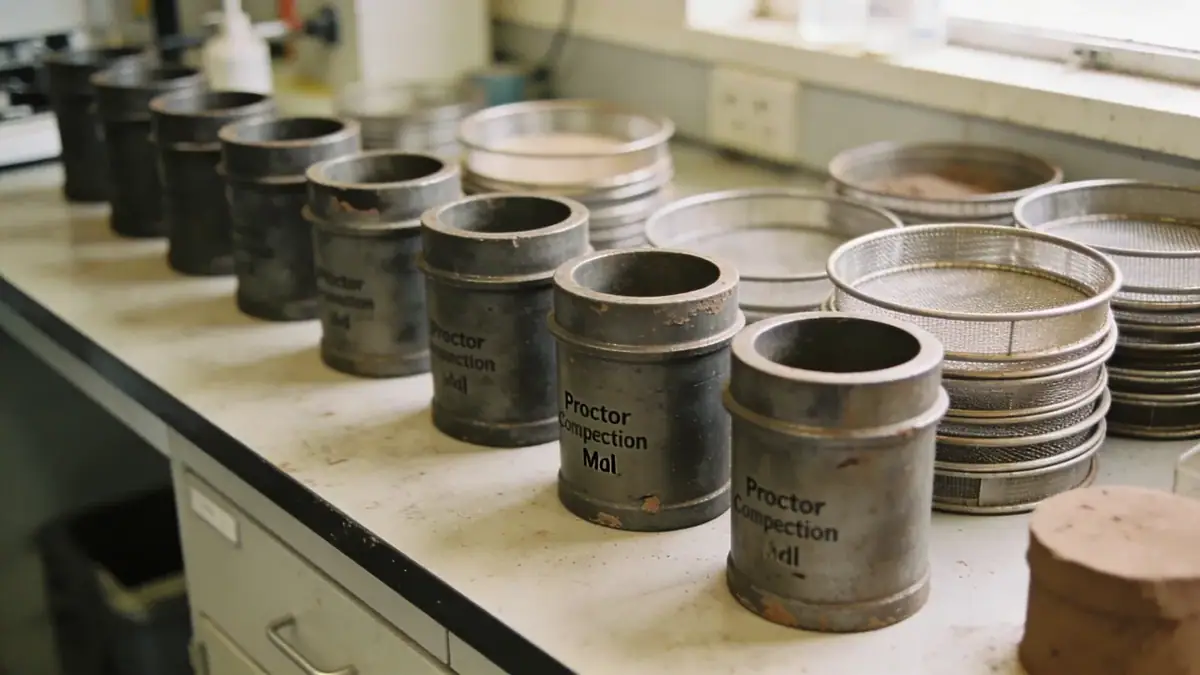
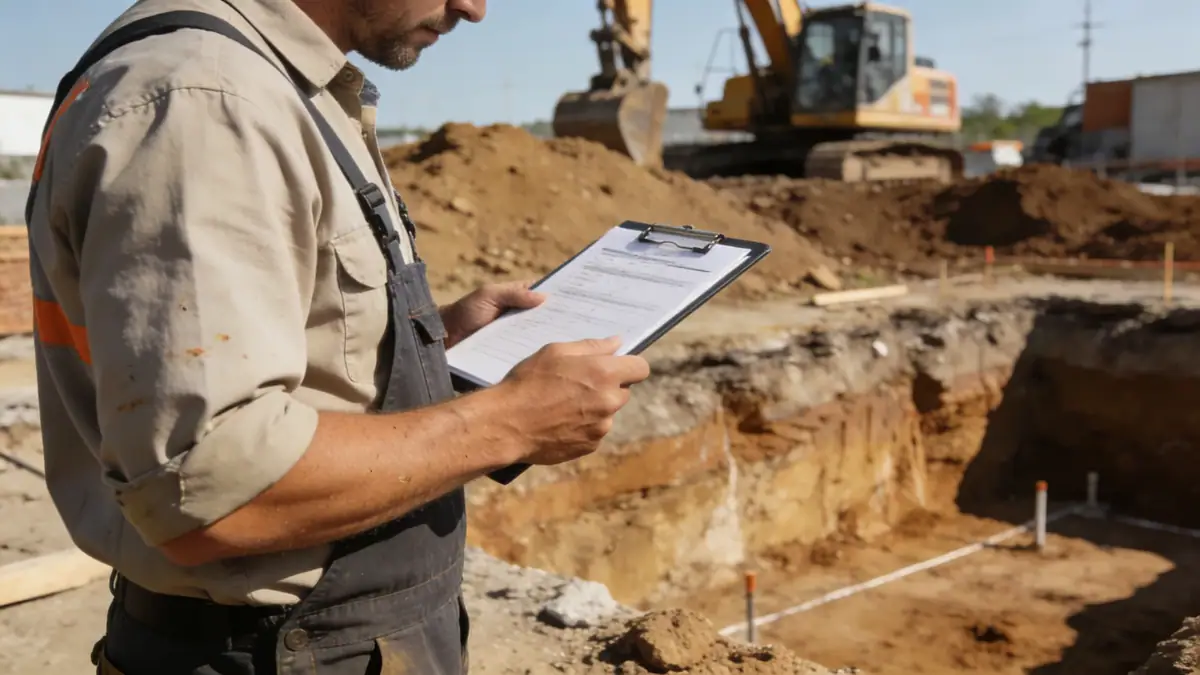
Our methodology for geotechnical engineering in Trenton New Jersey begins with a comprehensive review of existing geologic maps and subsurface records. We then conduct spt boring at strategic locations to characterize soil strata and obtain undisturbed samples for laboratory testing. Field investigations follow ASTM D1586 standards, with borings advanced to depths of 8 to 15 meters for typical structures. Soil classification, strength, and consolidation parameters are determined through our soil mechanics laboratory. Our approach integrates site-specific data with regional experience to produce reliable foundation recommendations.
Reference Technical Parameters
| Parameter | Reference Value |
|---|---|
| Predominant Soil Type | Glacial till and lacustrine clay |
| Maximum Seismic Acceleration (PGA) | 0.20g (ASCE 7-16, Site Class D) |
| Typical Groundwater Level | 2–5 m below grade |
| Bedrock Depth | 10–30 m (Newark Basin sandstone/shale) |
| Typical N60 Range | 5–30 blows/ft (cohesive soils) |
Local Considerations — Trenton New Jersey
Trenton's geology is shaped by the Delaware River and its tributaries, with soft compressible clays in floodplains and dense glacial materials on uplands. Seismic site classification per ASCE 7-16 typically yields Site Class D for much of the city. Our team has extensive experience with shallow foundations on spread footings where competent soils are near surface, and deep foundations (driven piles or drilled shafts) in areas with thick soft clays. For projects near the Delaware River, scour and groundwater control are critical. We also provide slope stability analysis for the steep bluffs along the river. Our familiarity with local conditions ensures cost-effective solutions. For regional context, our geotechnical engineering en Philadelphia team collaborates on cross-state projects.
Request a Quote
Our team reviews your project and issues an initial report at no cost.
Or write us directly at [email protected]
Services in Trenton New Jersey
Applicable Standards
- ASTM D1586
- ASCE 7-16
- IBC 2021
- New Jersey Residential Code 2018
- ASTM D2487
Frequently Asked Questions
What are the typical soil conditions in Trenton New Jersey?
Trenton's soils vary from glacial tills and lacustrine clays to river terrace sands. Groundwater is generally shallow, between 2 and 5 meters. Bedrock (Newark Basin sedimentary rocks) lies at depths of 10 to 30 meters. Understanding these conditions is essential for foundation design.
Is seismic design required for projects in Trenton?
Yes, per the New Jersey Building Code and ASCE 7-16, Trenton falls in a moderate seismic zone with a PGA of about 0.20g. Site-specific seismic analysis is recommended for critical structures to determine appropriate design spectra and liquefaction potential.
Are geotechnical investigations mandatory for new construction in Trenton?
While not always explicitly required for all residential projects, the New Jersey Building Code mandates a geotechnical report for most commercial and multi-family buildings. Our firm provides thorough investigations to satisfy code requirements and reduce construction risks.