Methodology
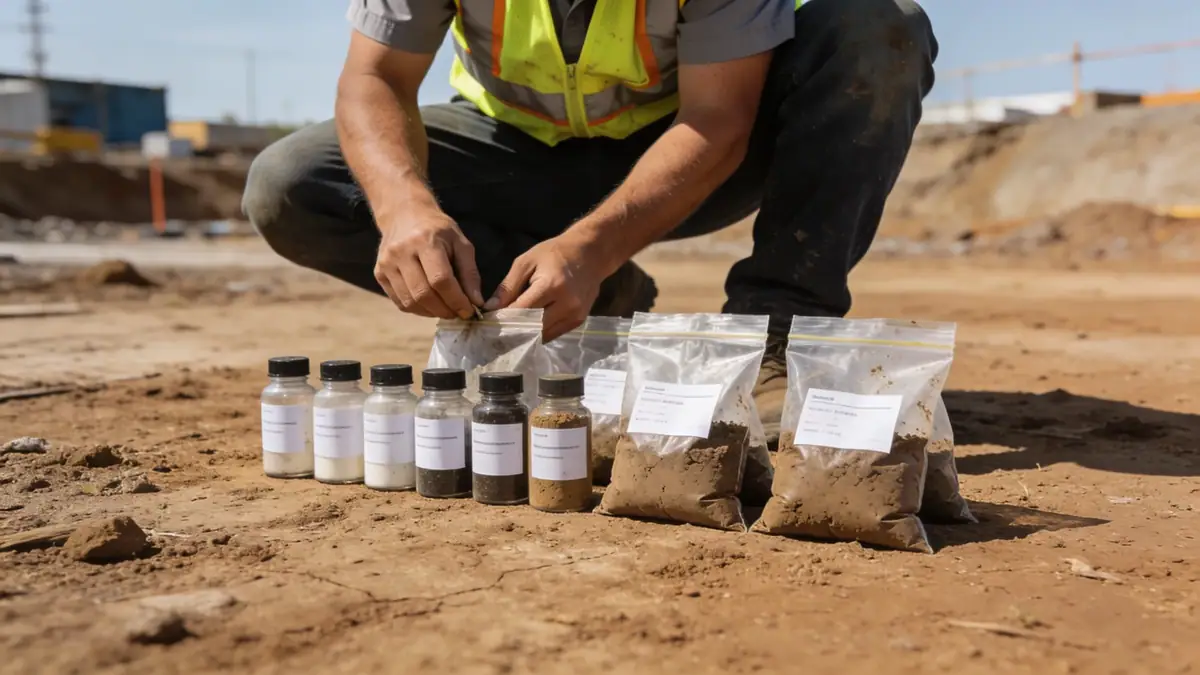
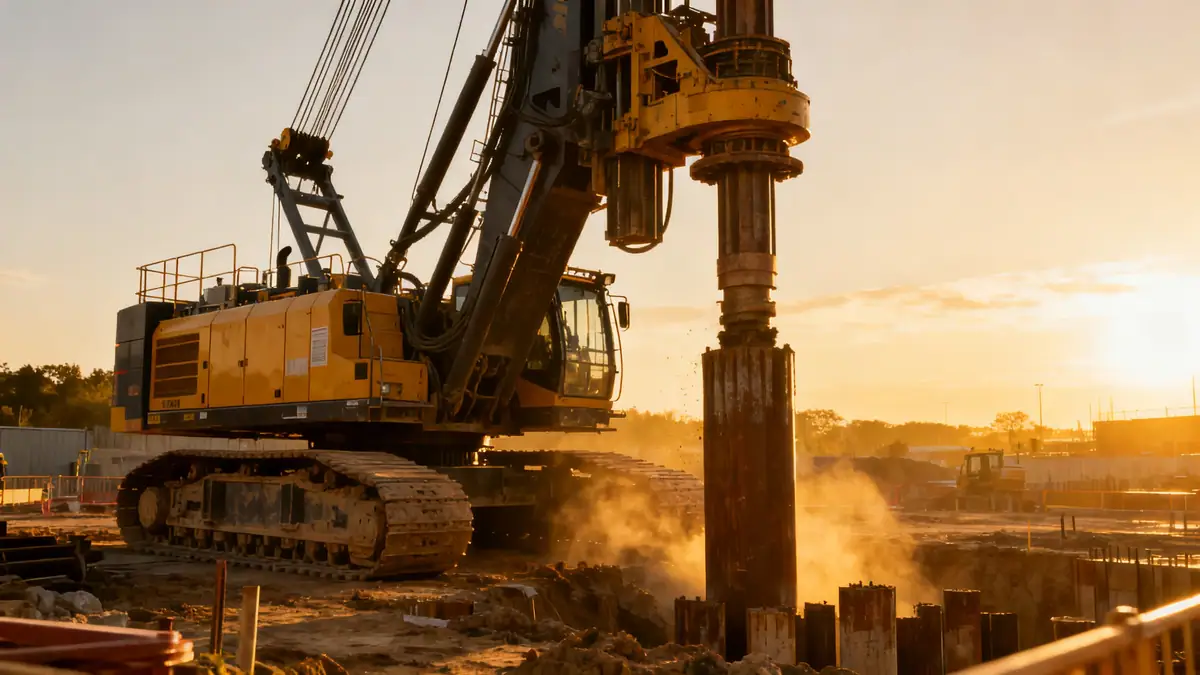
Our methodology for geotechnical engineering in Virginia Beach begins with a thorough review of existing geological maps and historical data. We then conduct field investigations, including spt boring at strategic locations to obtain soil samples and measure penetration resistance. Laboratory tests follow, such as grain size analysis and Atterberg limits, to classify soils and determine engineering properties. For seismic assessments, we evaluate liquefaction potential using standard penetration test (SPT) data and site response analysis per ASCE 7. This integrated approach ensures accurate bearing capacity and settlement predictions for safe foundation design.
Reference Technical Parameters
| Parameter | Reference Value |
|---|---|
| Predominant soil type | Sand, silty sand, and clay (marine and alluvial deposits) |
| Maximum seismic acceleration (PGA) | 0.15g to 0.20g (ASCE 7, Site Class D) |
| Typical groundwater level | 2 to 5 feet below ground surface |
| Bedrock depth | Variable, often exceeding 100 feet |
| Typical N60 range (SPT) | 5 to 30 blows per foot (loose to dense sands) |
Local Considerations — Virginia Beach
Virginia Beach's geology is dominated by Quaternary coastal plain deposits, including sands, silts, and clays. 1. The water table is shallow, often within 2 to 5 feet, requiring dewatering considerations. 2. Seismic hazard is moderate, with peak ground acceleration up to 0.20g, necessitating liquefaction analysis for critical structures. 3. Soils vary from loose sands near the coast to stiff clays inland, affecting foundation type selection. 4. Older neighborhoods may have undocumented fill, requiring careful investigation. 5. Common challenges include settlement on compressible clays and lateral spreading during seismic events. For complex projects, our soil mechanics laboratory provides advanced testing to refine design parameters.
Request a Quote
Our team reviews your project and issues an initial report at no cost.
Or write us directly at [email protected]
Services in Virginia Beach
Applicable Standards
- ASTM D1586 (Standard Test Method for SPT)
- ASTM D2487 (Unified Soil Classification System)
- ASCE 7 (Minimum Design Loads for Buildings)
- Virginia Uniform Statewide Building Code (USBC)
- IBC (International Building Code)
Frequently Asked Questions
What are the typical soil conditions for geotechnical engineering in Virginia Beach?
Soils in Virginia Beach are primarily coastal plain deposits, including loose to medium dense sands, silty sands, and soft to stiff clays. Groundwater is shallow, often 2 to 5 feet deep, and bedrock is deep, exceeding 100 feet. These conditions influence foundation design and construction methods.
Does Virginia Beach have specific seismic requirements for geotechnical studies?
Yes, Virginia Beach falls within Seismic Design Category B to C per IBC. Site-specific seismic hazard analyses are required for critical structures to evaluate liquefaction potential and ground motion amplification, following ASCE 7 guidelines. Our studies address these requirements.
Are geotechnical investigations mandatory for construction in Virginia Beach?
While not always mandatory for all projects, the Virginia Uniform Statewide Building Code recommends a geotechnical investigation for most structures. Local jurisdictions may require it for commercial buildings, multi-family housing, or sites with known soil issues to ensure public safety.