Methodology

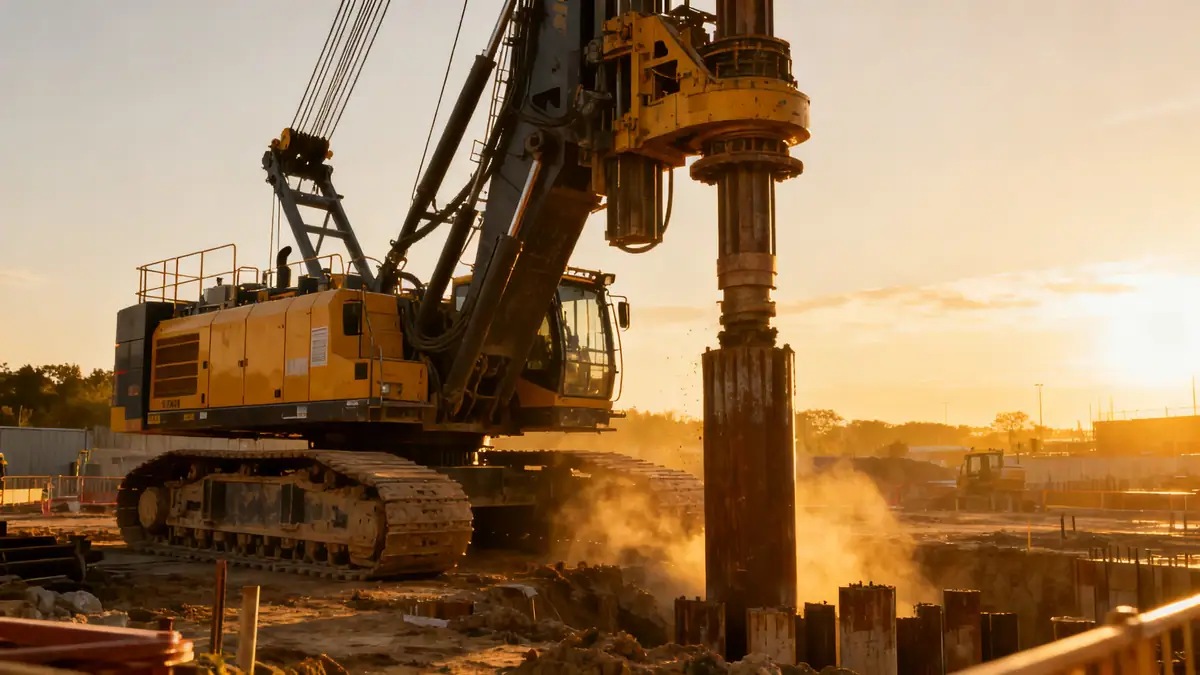
Our methodology for geotechnical engineering in Washington Dc begins with a thorough review of existing geological data and site history. We conduct field investigations including spt boring to characterize soil stratigraphy and collect undisturbed samples for laboratory testing. In the laboratory, we perform index property tests, strength tests, and consolidation tests to determine soil behavior. For seismic design, we evaluate site class per ASCE 7 and perform liquefaction assessments. Our approach integrates these data to develop site-specific recommendations for foundations, earthworks, and slope stability, ensuring compliance with local codes and project requirements.
Reference Technical Parameters
| Parameter | Reference Value |
|---|---|
| Predominant soil type | Sands, silts, and clays (Atlantic Coastal Plain) |
| Maximum seismic acceleration (PGA) | 0.15–0.25 g (per ASCE 7) |
| Typical groundwater level | 3–10 ft below ground surface |
| Bedrock depth | 50–100+ ft (crystalline bedrock) |
| Typical N60 range | 5–30 blows/ft (variable) |
Local Considerations — Washington Dc
Washington Dc's geologic setting presents unique challenges for geotechnical engineering. The city lies within the Atlantic Coastal Plain, characterized by unconsolidated sediments overlying crystalline bedrock at depth. Groundwater levels are shallow, often within 3–10 ft, requiring dewatering considerations for excavations. Seismic hazards are moderate, with peak ground accelerations up to 0.25 g, necessitating site-specific response analyses per ASCE 7. Urban fill and historic structures create variable conditions across neighborhoods. Our team addresses these factors by tailoring investigations to each site, leveraging our experience from our hub in Philadelphia. We also collaborate with local geologists to refine subsurface models and mitigate risks. For retaining wall projects, we integrate retaining wall design to address lateral earth pressures and groundwater conditions.
Request a Quote
Our team reviews your project and issues an initial report at no cost.
Or write us directly at [email protected]
Services in Washington Dc
Applicable Standards
- ASTM D1586 (Standard Penetration Test)
- ASCE 7 (Minimum Design Loads for Buildings and Other Structures)
- International Building Code (IBC)
- District of Columbia Municipal Regulations (DCMR)
Frequently Asked Questions
What soil types are commonly found in Washington Dc?
Washington Dc is underlain by Atlantic Coastal Plain sediments, primarily sands, silts, and clays. These deposits vary in thickness and density, with some areas containing organic soils or fill. Bedrock is deep, typically exceeding 50 ft, and consists of crystalline rock such as schist and gneiss.
What seismic design considerations apply to Washington Dc?
Per ASCE 7, Washington Dc has a moderate seismic hazard with PGA values of 0.15–0.25 g. Site class is determined from subsurface data, and liquefaction assessments are required for loose, saturated sands. Structures must comply with IBC seismic provisions, and geotechnical reports must include site-specific response spectra.
Are geotechnical studies mandatory for construction in Washington Dc?
Yes, the District of Columbia requires geotechnical investigations for most new construction and major renovations. The scope depends on project size and complexity, typically including boreholes, laboratory testing, and a report addressing foundation design, groundwater control, and seismic hazards per DCMR Title 12.